iAspirants
Climate Crisis in Himalayan Regions
Published on:
Source: The Hindu
Share this post
Article Summary
Climate Change and Natural Disasters in the Himalayan Region: Exam-Focused Notes
End-Glacial Lake Outburst Floods (EGLOFs):
- EGLOFs are a significant cause of natural disasters in the Himalayan regions, contributing to extensive destruction and humanitarian crises.
Environmental Concerns:
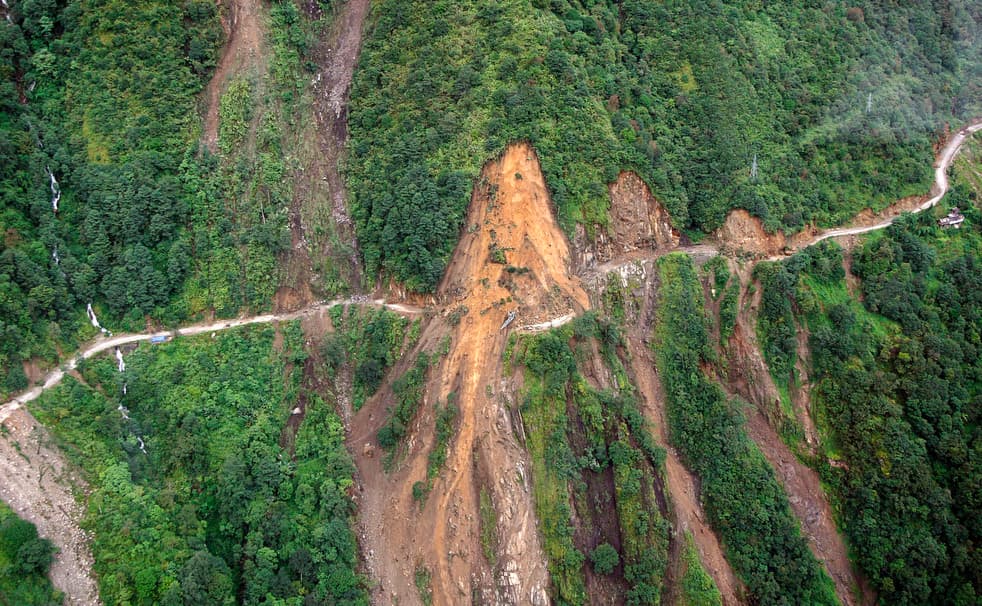
- Rising temperatures and melting glaciers are increasing vulnerability in the Himalayas.
- Erratic rainfall patterns and environmental degradation exacerbate the situation.
Need for Stronger Climate Policies:
- Emphasis on developing stronger climate policies is critical for sustainable development.
- Protection of forests and rivers is essential to mitigate disaster risks.
- Prioritizing disaster-preparedness measures is crucial for protecting vulnerable communities.
Regional Coordination:
- Countries sharing the Himalayan ecosystem—India, China, Pakistan, Nepal, and Bhutan—need to collaborate to ensure safety and disaster management across borders.
- India and China, in particular, are urged to prioritize environmental protection and humanitarian efforts over political differences.
Immediate Response and Long-term Strategy:
- The immediate focus should be on rescue, relief, and rehabilitation of affected communities.
- Transitioning from disaster response to disaster prevention strategies is vital for long-term safety.
Scientific Investigation:
- Multiple factors contributing to disasters include avalanches, earthquakes, dam releases, intense rainfall, and glacial outbursts.
- Determining the precise causes necessitates rigorous scientific investigation, although political and reporting challenges may arise.
Ecological Disruption:
- The recent disasters highlight that ecological disruption can significantly intensify natural hazards, necessitating a reevaluation of environmental management practices.
Humanitarian Impact:
- The fragility of mountain ecosystems underscores the urgent need for effective disaster risk reduction measures to avert future humanitarian catastrophes.
International Cooperation:
- Collective action and cooperation among neighboring countries are essential for effective disaster management and environmental protection in the Himalayan region.
These notes encapsulate the critical aspects of climate change impacts on the Himalayan region, emphasizing the need for coordinated efforts, sound policies, and scientific investigations to address vulnerabilities and enhance disaster resilience.
Key Terms & Concepts
| End-Glacial Lake Outburst Floods (EGLOFs) | Type of natural disaster |
| Himalayan regions | Affected geographical area |
| India, China, Pakistan, Nepal, Bhutan | Countries sharing the ecosystem |
| Climate policies | Needed for disaster prevention |
| Rescue, relief and rehabilitation | Immediate priorities post-disaster |
| Ecological disruption | Cause of intensified hazards |
| Melting glaciers | Contributing factor to vulnerability |
| Intense rainfall | Trigger for disasters |
| Disaster-preparedness measures | Essential for community safety |