iAspirants
Climate-Resilient Agriculture for India
Published on:
Share this post
Article Summary
Climate-Resilient Agriculture (CRA) in India: Overview and Policy Framework
Context and Importance:
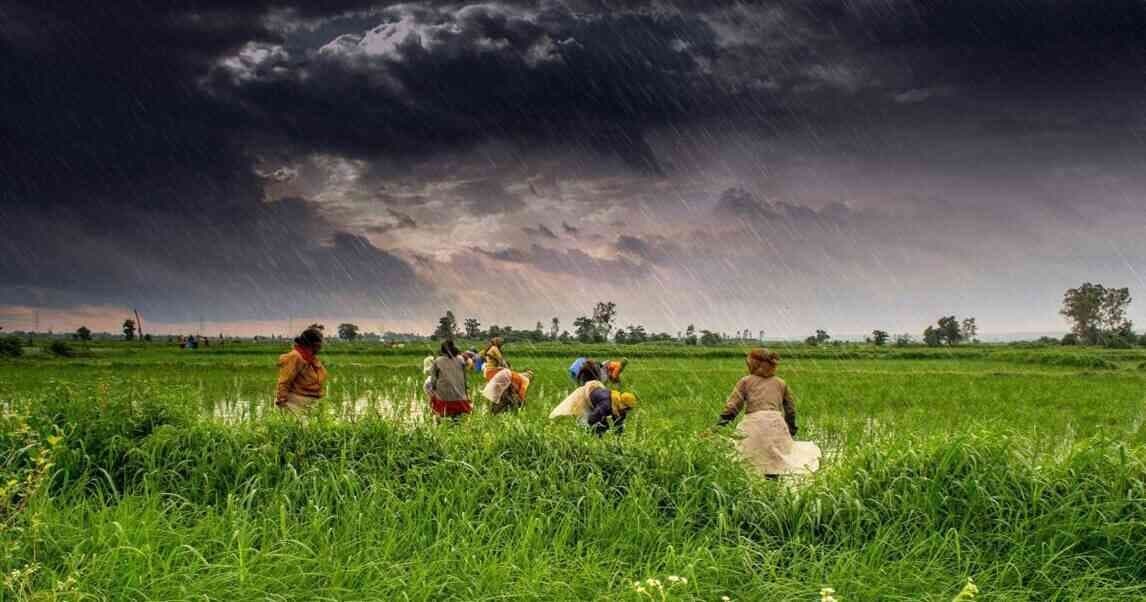
- India is heavily reliant on agriculture, with 51% of net sown area being rainfed and contributing nearly 40% of the country’s food supply.
- Climate change poses severe risks, with projections suggesting potential reductions in staple crop yields, including a 3-22% fall in rice yields by the century's end.
Technological Innovations in Agriculture:
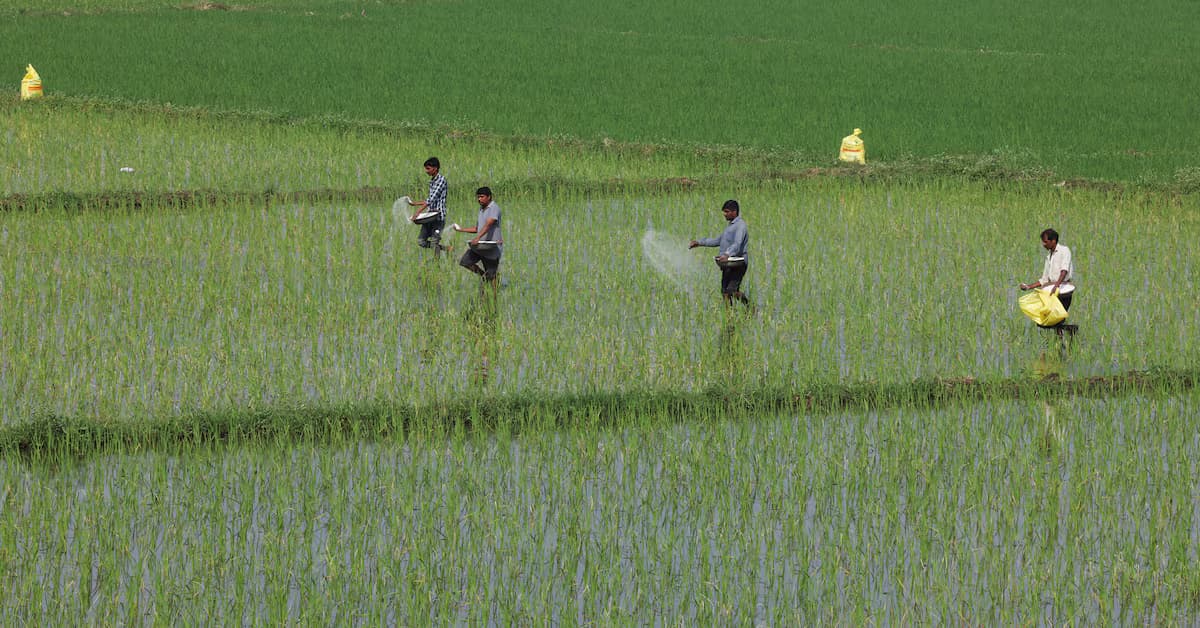
- Climate-resilient agriculture employs biotechnology and complementary technologies to enhance productivity while protecting the environment.
- Key tools include:
- Biofertilizers and Biopesticides
- Genome-edited crops: engineered to withstand drought, heat, and pests.
- AI-driven analytics: provide insights for localized farming strategies by integrating various environmental factors.
Government Initiatives and Schemes:
National Innovations in Climate Resilient Agriculture (NICRA):
- Launched by ICAR in 2011 to demonstrate climate-resilient technologies in 448 villages.
- Focuses on technologies such as:
- System of rice intensification
- Direct seeding methods
- Zero-till wheat sowing
- In-situ incorporation of crop residues
National Mission for Sustainable Agriculture:
- Aims to enhance productivity, particularly in rainfed regions, through:
- Integrated farming
- Water use efficiency
- Soil health management
- Aims to enhance productivity, particularly in rainfed regions, through:
BioE3 Policy:
- Catalyzes development of biotechnology-led solutions in CRA.
Scientific and Private Sector Contributions:
- Research Institutions: ICAR, DBT, IARI are pivotal in CRA advancements.
- Biotech Companies: Organizations like Biostadt, IFFCO, and NFL provide bio-inputs to enhance soil health and minimize chemical use.
- Digital Agriculture: A surge in agritech startups delivering AI solutions for:
- Crop health monitoring
- Precision irrigation
- Yield prediction.
International Comparisons:
- United States: Implemented Climate-Smart Agriculture and Forestry initiative aimed at sustainable practices.
- European Union: Integrates CRA in Green Deal and Farm to Fork Strategy.
- China: Focus on climate-tolerant crop breeding and agricultural digitalization.
- Brazil: Leads in tropical crop resilience via EMBRAPA's research.
Challenges in Implementation:
- Adoption Rates: Limited uptake among small-scale farmers due to issues of awareness, accessibility, and affordability.
- Quality Control: Inconsistencies in biofertilizers/bio-pesticides diminish farmer trust.
- Slow Rollout: Gene-edited seeds and CRA technologies facing uneven distribution.
- Digital Divide: Restricts adoption of precision agriculture and data-driven tools.
Way Forward:
- Strengthen development and deployment of climate-tolerant and genome-edited crops.
- Establish quality standards for biofertilizers and improve supply chain management.
- Provide farmers with digital tools and climate advisories to facilitate adoption.
- Introduce financial incentives, climate insurance, and credit access to support farmers in transitioning toward CRA.
- Formulate a coherent national roadmap under the BioE3 framework to synergize biotechnology and climate adaptation efforts.
Conclusion:
- Addressing the impact of climate change on agriculture in India necessitates a multifaceted approach combining technological innovation, strategic government policies, and collaborative efforts across sectors to ensure sustainable agricultural practices.
Key Terms & Concepts
| National Innovations in Climate Resilient Agriculture | Flagship network project by ICAR |
| National Mission for Sustainable Agriculture | Enhancing agricultural productivity |
| BioE3 policy | Focus on biotechnology-led solutions |
| USDA Climate-Smart Agriculture and Forestry | U.S. federal policy for climate-smart practices |
| EU Green Deal | European strategy for sustainability |
| Farm to Fork Strategy | EU policy aiming to reduce chemical inputs |
| EMBRAPA | Brazilian agency for biotechnology research |
| 448 climate-resilient villages | Demonstration of climate technologies |
| 51% | Percentage of rainfed net sown area in India |
| 40% | Percentage of food produced from rainfed land |
| 3-22% | Projected yield decline of rice |
| 30% |