iAspirants
Climate Risk Index Report 2026 Outcomes
Published on:
Share this post

Article Summary
Climate Risk Index (CRI) 2026 Summary
Report Overview: The Climate Risk Index 2026 published by Germanwatch highlights the severe impacts of extreme weather events from 1995 to 2024.
Statistics:
- Over 832,000 deaths and nearly 5.7 billion affected.
- Economic losses estimated at more than $4.5 trillion (inflation-adjusted).
- Over 9,700 extreme weather events analyzed in the report.
Global Context:
- Countries Most Affected: Dominica, Myanmar, and Honduras rank as the most affected in the long-term index.
- 2024 Rankings: St. Vincent and the Grenadines, Grenada, and Chad topped the list due to severe weather events, notably Hurricane Beryl.
India's Situation:
- India ranks ninth among the most affected globally.
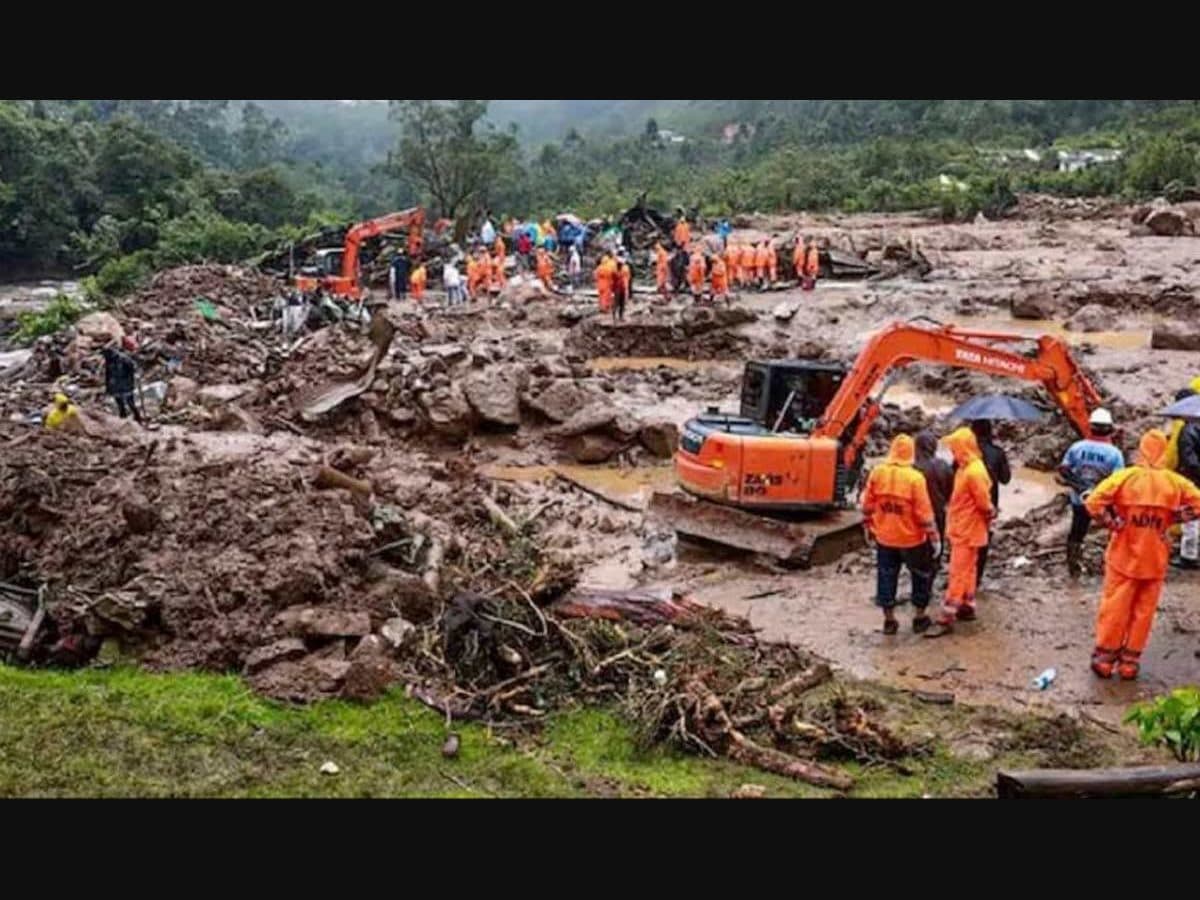
- Nearly 430 extreme weather events recorded since 1995, resulting in over 80,000 fatalities, impacting 1.3 billion people and causing economic losses of nearly $170 billion.
- Major disasters cited include the 1998 Gujarat cyclone, 1999 Odisha cyclone, Uttarakhand floods (2013), severe floods in Maharashtra and Tripura (2019), and Cyclone Amphan (2020).
Types of Weather Events:
- Heatwaves and storms account for 33% of fatalities each, while floods account for 25%.
- Economic Damage: Storms caused 58% of total economic damages (~$2.64 trillion), while floods caused about $1.31 trillion.
Climate Change Link:
- The report indicates a direct correlation between climate change and the frequency/severity of these extreme weather events.
- Notable instances of climate change-attributed disasters include Cyclone Amphan and multiple heatwaves across India with temperatures nearing 50°C.
International Law & Agreements:
- The International Court of Justice (ICJ) issued a landmark opinion asserting nations' binding legal obligations to address climate change impacts.
- The report emphasizes that none of the top ten most affected countries are high-income nations, highlighting systemic inequities in facing climate challenges.
COP30 Recommendations:
- Urges negotiators to develop a roadmap to close the global ambition gap.
- Advocates for operationalizing the Global Goal on Adaptation and securing adequate climate finance for vulnerable nations.
- Calls for decisive actions to implement loss and damage solutions, which remain underfunded.
Risks and Future Outlook:
- The World Economic Forum’s Global Risks Report ranks extreme weather as the second greatest global risk.
- The need for urgent emissions reductions and adaptation efforts is critical to preventing further deaths and economic disasters.
Key Legal and Policy References:
- International Court of Justice Opinion: Establishes the legal obligation of nations to combat climate change.
- COP30 Agenda: Focus on closing the ambition gap and adequate financing mechanisms to address climate repercussions.
This summary encapsulates the critical data and international responses to the climate crisis, reflecting the urgency for action at both national and global levels to mitigate its effects and promote sustainable development.
Key Terms & Concepts
| Climate Risk Index (CRI) 2026 | Publication assessing climate impacts |
| Germanwatch | Advocates for sustainable climate policy |
| COP30 | Conference on climate impact and policy |
| 832,000 | Total deaths from extreme events |
| 5.7 billion | Individuals affected by climate events |
| $4.5 trillion | Economic losses from weather events |
| India | Ninth most affected country |
| 430 | Extreme weather events in India |
| 80,000 | Fatalities in India from events |
| 1.3 billion | People affected in India |
| $170 billion | Economic losses in India |
| International Court of Justice | Issued opinion on climate obligations |
| IPCC |