iAspirants
Collaborative Conservation with Soliga Tribe
Published on:
Share this post
Article Summary
Key Highlights on Soliga Tribe and Wildlife Conservation
Research Findings:
- The article published in Ecosystems and People critiques the "fortress conservation approach" which often alienates indigenous rights and leads to social distress.
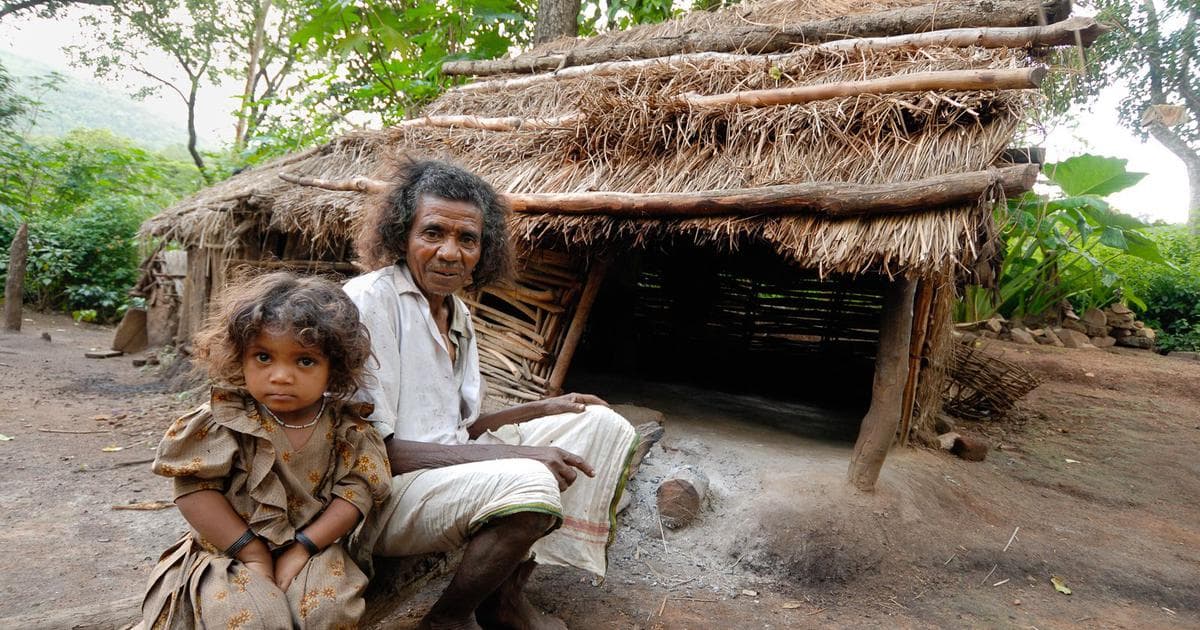
- It presents the Soliga tribe in the Biligiri Rangaswamy Temple Wildlife Sanctuary (BRTWS) as a case study of effective coexistence with wildlife, particularly tigers, leopards, and elephants.
Census Data:
- Approximately 5 million Adivasi individuals reside in Kerala and Karnataka as per the 2011 Census.
Historical Practices:
- The Soligas traditionally practiced mosaic litter burning and small-scale swidden agriculture, promoting ecologically beneficial land use without invasive species interference.
Cultural Integration:
- Sacred sites and cultural rituals are integral to the Soliga's interaction with their environment, emphasizing their intimate knowledge of local ecosystems and biodiversity.
Collaborative Governance:
- Recommendations include:
- Establishing a collaborative governance framework between the Forest Department, Soliga elders, and researchers.
- Creating co-management models that respect the cultural context and local regulations.
- Utilizing modern techniques like GIS mapping for conservation and resource management activities.
Capacity Building:
- Emphasis on enhancing local capabilities to engage in modern conservation techniques while honoring traditional knowledge.
- The 'Sangha' system allows Soligas to make decisions collectively, further enhancing their role in forest management.
Sustainable Management Goals:
- Engagement of indigenous people in conservation correlates with better wildlife management practices and sustainability aligned with the Sustainable Development Goals (SDGs).
Judicial Perspectives:
- The article indirectly calls attention to legal frameworks favoring traditional rights over exclusionary conservation tactics, advocating for the recognition of indigenous knowledge as vital in managing protected areas efficiently.
Economic Considerations:
- The approach suggests that co-managed conservation can lower government expenditure while ensuring the protection of wildlife and the well-being of local communities.
Policy Implications:
- Offers a blueprint for integrating indigenous practices within national conservation frameworks, potentially influencing future governmental policies related to forest management and community rights.
Conservation Challenges:
- Acknowledges challenges such as human-wildlife conflict but illustrates how indigenous knowledge can mitigate risks associated with wildlife encounters.
Conclusion:
The research underscores the significance of the Soliga people's traditional practices and knowledge in sustainable forest management. It advocates for an inclusive approach that recognizes the integral role of indigenous communities in conservation efforts and suggests a shift towards co-governance mechanisms to reconcile wildlife protection with the rights and needs of local populations.
Key Terms & Concepts
| Soliga Tribe | Indigenous knowledge holders |
| Biligiri Rangaswamy Temple Wildlife Sanctuary | Conservation area example |
| Ecosystems and People | Research journal publishing findings |
| 5,000,000 Adivasi people | Population reference in regions |
| Western Ghats | Significant ecological region |
| Sustainable Development Goals (SDGs) | Global objectives for development |
| Culturally relevant management plans | Resource management framework |
| Wildlife encounters | Context of local challenges |
| Local 'podu' level committees | Community decision-making bodies |
| GIS techniques | Modern mapping technologies |