iAspirants
Colonial Impact on South Asian Health
Published on:
Share this post

Article Summary
Summary of Key Points
Health Crisis Among South Asians
Health Statistics:
- South Asians face four times the rate of heart disease and diabetes compared to other groups.
- They are twice as likely to suffer from metabolic syndrome.
- Individuals experience critical health events (e.g., heart attacks) 5-10 years earlier than other populations.
Historical Context:
- The health crisis is linked to historical colonial famines, particularly severe events from the 1760s to the 1940s. These famines were man-made, influenced by British administrative policies favoring extraction of resources over humanitarian relief.
- Tens of millions died due to decisions during famines, with entire populations experiencing systemic starvation that has resulted in lasting genetic and biological adaptations.
Epigenetics:
- Epigenetics studies how environmental factors influence gene expression without altering the DNA itself, leading to inheritable changes across generations.
- Historical famines have been shown to leave chemical marks on genes, affecting descendants and contributing to heightened vulnerability to diseases like diabetes and heart disease.
Colonial Impact on Agriculture and Health
Transformations in Farming:
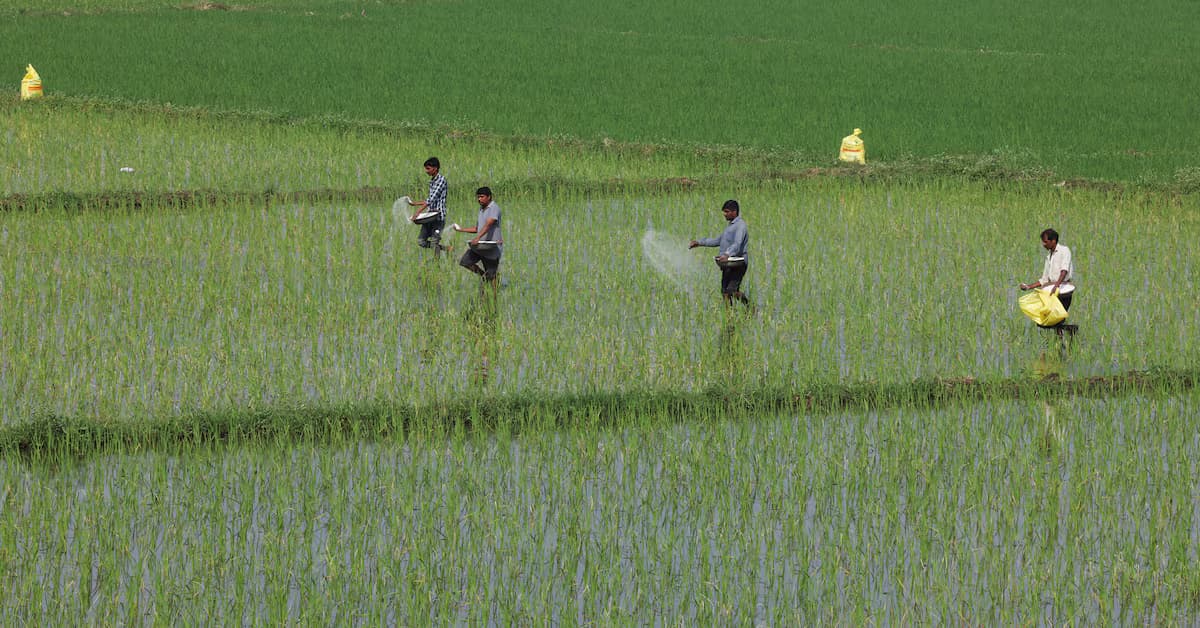
- British colonial rule replaced diverse local crops with cash crops, compromising nutritional safety.
- Systematic deprivation led to biological adaptations meant for survival during famine, which now manifest as health vulnerabilities in a modern context of abundance.
Global Patterns of Trauma:
- Similar patterns of health crises due to historical traumas (famine, oppression) have been observed in other colonized societies:
- Dutch Hunger Winter (1944-45): Affected generations exhibited higher rates of metabolic illnesses.
- Great Chinese Famine (1959-61): Descendants showed severe health issues linked to starvation.
- Indigenous North American Communities: Historical oppression and forced starvation correlate with increased chronic illnesses.
- Similar patterns of health crises due to historical traumas (famine, oppression) have been observed in other colonized societies:
Policy Implications and Health Solutions
Individual Health Strategies:
- Adopting dietary practices aligned with a famine-adapted metabolism—emphasizing regular meals, higher protein intake, and reduced refined carbohydrates.
- Engaging in strength training to counter lower muscle mass in South Asians.
Preventive Health Measures:
- Regular screening for metabolic health indicators (e.g., blood sugar, cholesterol) and maintaining healthy waist sizes and blood pressure.
- Discussions about trauma and historical health patterns to foster community support and understanding.
Public Health Recommendations:
- Implementing better nutrition programs and early detection initiatives aimed at diabetes and heart disease.
- Infrastructure improvements promoting physical activity.
Cultural and Dietary Reclamation:
- Reinforcing traditional foods and communal eating practices while incorporating modern scientific knowledge to enhance health outcomes.
Conclusion
The intersection of historical trauma, health crisis, and biological adaptation in South Asian communities highlights the need for a comprehensive approach that combines individual health management with public policy reform aimed at addressing the systemic roots of these health challenges. Understanding the legacy of colonial exploitation offers crucial insights into addressing contemporary health issues effectively.
Key Terms & Concepts
| South Asians | Face high disease rates |
| Type 2 diabetes | Health issue with rising rates |
| Heart disease | Significant health risk |
| Metabolic syndrome | Common health concern |
| Epigenetics | Study of inherited biological effects |
| Colonial famines | Trigger for modern health issues |
| British Empire | Colonial power causing famines |
| Dutch Hunger Winter | Example of famine's effects |
| Great Chinese famine | Health impacts on descendants |
| Public health programs | Needed for better health outcomes |
| Famine-adapted metabolism | Dietary consideration for health |
| Trigeminal nerve | Involved in metabolic response |