iAspirants
Current AffairsPrelims PYQsUPSC CSE SyllabusUPSC CSE StrategyBlogsPricing
Login
iAspirants

Your AI-powered companion for UPSC preparation.

Quick Links

  • Home
  • About Us
  • Current Affairs
  • Prelims PYQs
  • UPSC CSE Syllabus
  • UPSC CSE Strategy
  • Blogs

Company

  • Pricing
  • FAQs
  • Contact Us
  • Login

Legal

  • Privacy Policy
  • Terms & Conditions
  • Return Policy

© 2025 iAspirants, Inc. All rights reserved.

  1. Blogs
  2. Art and Culture

Commemorative Stamp for Suvaran Maran

Published on: 15-Dec-2025

Share this post

Commemorative Stamp for Suvaran Maran

Article Summary

Commemorative Postage Stamp for Perumbidugu Mutharaiyar II

  1. Release of Stamp:

    • A commemorative postage stamp honoring Perumbidugu Mutharaiyar II (also known as Suvaran Maran) was released by Vice President C P Radhakrishnan.
    • Prime Minister Narendra Modi acknowledged the release on social media, emphasizing the king’s qualities as an administrator and a visionary.
  2. Historical Background of Perumbidugu Mutharaiyar II:

    • Time Period: Ruled from 705 AD to 745 AD.
    • Dynasty: Part of the Mutharaiyar lineage, feudal chiefs under the weakening Pallava dynasty.
    • Territory: Controlled areas in present-day Thanjavur, Pudukkottai, Perambalur, and Tiruchirappalli near the Cauvery River.
    • Administration: Recognized for superior governance, military prowess, and contributions to cultural and religious renaissance.
    • Architecture: Influenced Tamil temple architecture and engaged in constructing cave temples.
  3. Cultural Significance:

    • Known as Shatrubhayankar; he promoted debates among scholars including Jain monks and Shaiva devotees.
    • His reign contributed to the revival of Hindu temples during an era dominated by Jainism and Buddhism.
  4. State and Political Context:

    • The stamp release is part of a campaign by the Indian government to recognize and honor Tamil historical figures and boost cultural pride as part of the initiative for "Viksit Bharat."
    • There was a prior demand from the Tamil Nadu government for the stamp, with the 1,350th birth anniversary of Mutharaiyar having been celebrated earlier.
  5. Influence of Historical Figures in Politics:

    • The Mutharaiyar community is significant in Tamil Nadu, viewed as an emblem of local pride.
    • The BJP’s acknowledgment of Suvaran Maran aligns with broader strategies to resonate with historical consciousness among OBC communities, paralleling efforts to commemorate figures like Maharaja Suheldev in UP.
  6. Inscriptions and Contributions:

    • Inscriptions throughout Tamil Nadu document Mutharaiyar’s contributions, notably in temple endowments, irrigation projects, and Tamil literature development.
  7. Judicial and Government Recognition:

    • The discussion surrounding historical figures like Mutharaiyar integrates into contemporary policy-making and cultural recognition frameworks.

This summary encapsulates key aspects surrounding the release of the commemorative stamp and the historical significance of Perumbidugu Mutharaiyar II, emphasizing his impact on governance, culture, and contemporary political narratives within Tamil Nadu and India as a whole.

Key Terms & Concepts

Perumbidugu Mutharaiyar IIRuler of Mutharaiyar dynasty
PallavasFeudal lords of Mutharaiyars
Cauvery riverRegion influenced by Mutharaiyars
Tamil NaduState honoring historical ruler
ThanjavurArea once ruled by Mutharaiyars
TiruchirappalliAdministrative center during reign
Viksit BharatCultural vision of India
Most Backward classesCommunity recognition in politics
1,350th birth anniversaryRecent historical celebration
Temple endowmentsContribution by Mutharaiyars
Irrigation worksInfrastructure development
Tamil literatureCultural heritage promoted

Mind Map for UPSC Civil Services Revision

Turn UPSC Civil Services Current Affairs Into Exam-Ready Notes

Reading Art and Culture current affairs is half the work. Revise them with ready-made notes and test what actually stuck.

  • Daily UPSC Civil Services current affairs analysis
  • Revision notes, mind maps & MCQs
  • Prelims mock tests with instant results

Related UPSC Civil Services Current Affairs Articles

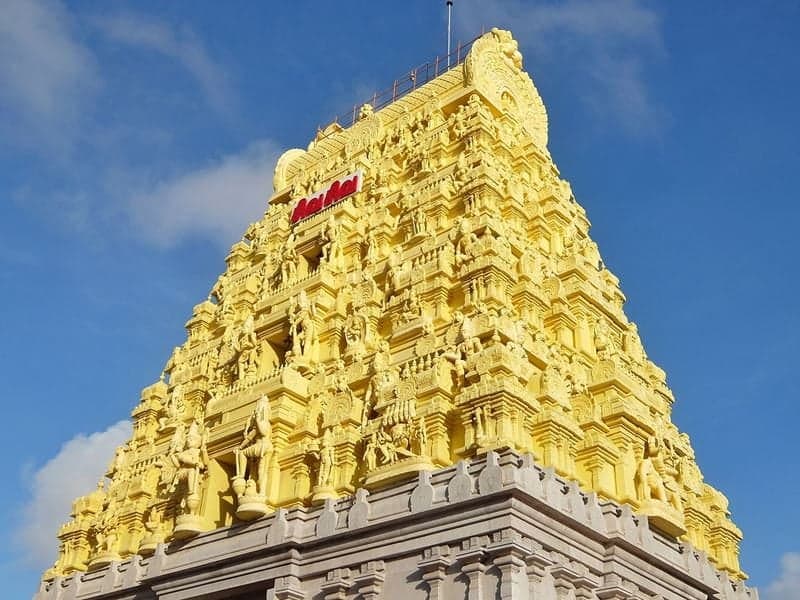
Ramanathaswamy Temple's Architectural Significance
Art and Culture13-Sep-2026

Ramanathaswamy Temple's Architectural Significance

BRICS Summit Highlights: Modi and Xi Meeting

  • Event: 2026 BRICS Summit
  • Leaders Present: Indian Prime Minister Narendra Modi and Chinese President Xi Jinping
  • Backdrop: Image of the 1,212-pillar corridor from Ramanathswamy Temple, Tamil Nadu. This selection may signify cultural heritage and architectural achievement.

Ramanathswamy Temple Overview

  • Location: Rameswaram, Pamban Island, Tamil Nadu
  • Significance: One of the 12 jyotirlingas, dedicated to Lord Shiva, and historically significant with ties to Lord Ram.
  • Architectural History: Rebuilt in the 17th century, the temple represents enduring spiritual and cultural heritage.
  • Key Historical Figures: Important contributions from the Sethupathi rulers, especially Muthuramalinga Sethupathi in the 18th century.

Corridor Specifics

  • Structure: The outer corridor features 1,212 intricately carved pillars, approximately 6.9 meters high.
  • Combined Length: The entire length of the temple’s corridors is roughly 3,850 feet (1.17 km).
  • Design Features:
    • Each pillar is uniquely adorned, showcasing floral motifs and mythical figures.
    • The architectural design creates a visual effect of depth and perspective, enhancing the overall experience of the temple.
  • Functional Aspect: The corridor is designed for movement, not just aesthetic appreciation, enhancing engagement with its architecture.

Cultural and Diplomatic Significance

  • The choice of backdrop for the summit suggests a blend of diplomacy and cultural heritage, emphasizing the connection between historical traditions and contemporary global relations.
  • The temple's architecture demonstrates how sacred spaces transitioned into grand monumental constructions, reflecting the artistic contributions and cultural identities of the region.

Conclusion

  • The meeting of Modi and Xi, set against this culturally rich backdrop, symbolizes a deeper engagement beyond politics, rooted in shared historical and architectural narratives. The importance of the corridor mirrors the complexities of contemporary bilateral relations.
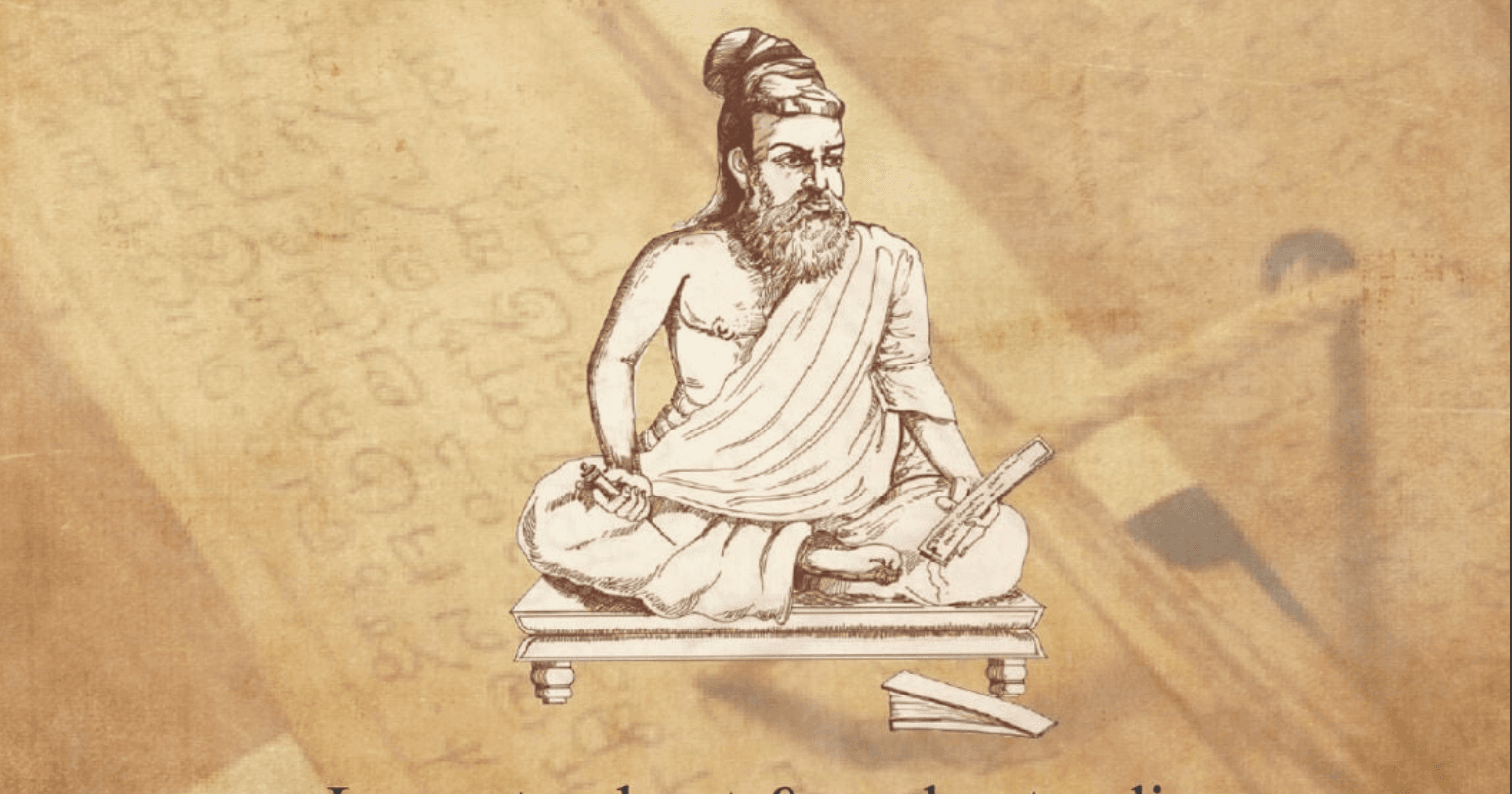
Modi Gifts Thirukkural to Putin
Art and Culture12-Sep-2026

Modi Gifts Thirukkural to Putin

Exam-Focused Notes on Thirukkural and Its Relevance:

  1. Context of the Thirukkural:

    • Translated by Naira Mkrtchyan for Russian President Vladimir Putin, gifted by PM Modi during the BRICS summit (September 12-13, 2026).
    • A foundational text of ancient Tamil literature authored by Thiruvalluvar (300 BCE - 500 BCE).
  2. Structure:

    • Comprises 1,330 stanzas ("kurals") across 133 chapters.
    • Divided into three main books:
      • The Book of Virtue (Dharma): 38 chapters focused on morality and personal values.
      • The Book of Polity (Porul): 70 chapters discussing socio-economic values and materialism.
      • The Book of Love (Inbam): 25 chapters exploring themes of love.
  3. Themes:

    • Emphasis on moral conduct; discouragement of divisions based on religion, caste, or race.
    • Fundamental virtues outlined include spirituality, charity, and love.
    • Advocates for a meaningful life enriched by morality, warning against the negative impacts of jealousy and greed.
  4. Philosophical Insights:

    • Distinct conception of God as "pure intelligence," embodying wisdom, compassion, morality, and love.
    • Exploration of love categorized into two types:
      • Kalaviyal: Pre-marital love.
      • Karpiyal: Traditional marital love.
  5. Educational Value:

    • Connection between virtue, wisdom, and education; proper education is seen as crucial to being a virtuous individual.
    • Scholars compare Thiruvalluvar's thoughts on education to those of Plato.
  6. Historical Impact:

    • First English publication in 1840; subsequent translations into over 60 languages.
    • Described by scholars like E S Ariel and George Uglow Pope, with the latter dubbing Thiruvalluvar as “The Bard of Universal Man”.
  7. Cultural Significance:

    • Regarded as a pivotal philosophical text with enduring relevance across cultures and eras.
    • A unifying figure promoting ethical conduct amid societal divisions.
  8. International and Diplomatic Relevance:

    • The gifting of Thirukkural reflects cultural diplomacy, enhancing India-Russia bilateral relations ahead of a significant multilateral summit.
  9. Government Initiatives:

    • The edition gifted was part of an initiative by the Central Institute of Classical Tamil, emphasizing the importance of preserving and promoting Tamil literature globally.
  10. Overall Importance:

    • Thirukkural's emphasis on ethics and morality remains highly relevant in contemporary society, promoting a framework for social well-being.

These points summarize the key facts and implications of the Thirukkural's recent translation and its cultural and philosophical significance.

International Film Festival of Kashmir
Art and Culture11-Sep-2026

International Film Festival of Kashmir

Notes on the 1st International Film Festival of Jammu & Kashmir (IFFJK)

Event Overview:

  • The first International Film Festival of Jammu & Kashmir (IFFJK) took place over four days, concluding on September 10, 2026, in Srinagar.
  • Featured the screening of 120 films from around 30 countries.
  • Provided a platform for local artists, students, and film enthusiasts to engage with renowned Bollywood filmmakers.

Participants:

  • Notable Bollywood figures included Ramesh Sippy, Vidhu Vinod Chopra, Imtiaz Ali, and others.
  • Local filmmakers and talents engaged in masterclasses and interactive sessions.

Government Support:

  • Omar Abdullah, Chief Minister of Jammu & Kashmir, emphasized the festival's role in connecting local storytellers with the film industry and highlighted its potential to showcase Kashmir's cultural narratives.
  • Union Minister L Murugan pointed out that Jammu & Kashmir is moving beyond just being a shooting location to becoming an active participant in global storytelling.

Cultural Significance:

  • The festival aimed to position Kashmir as not only a beautiful filming location but as a source of creative storytelling.
  • Referred to historical films shot in Kashmir, including ‘Aarzoo’, ‘Kashmir Ki Kali’, and ‘Kabhi Kabhi, which showcased the scenic beauty of the region.

Recognition and Awards:

  • Best Film in the J&K Category: ‘Tasrufdar – The Jinns of Kashmir’ by Kapil Mattoo.
  • Best Female Actress Award: Tanya Maniktala for her role in ‘Arifa’.
  • The festival included performances from artists like Usha Uthup and Gulzar Ganai during the concluding session.

Implications and Future Prospects:

  • The festival is seen as a stepping stone for Kashmir to develop a robust film industry and encourage young filmmakers.
  • It aims to build a platform for local storytelling talent and promote cultural tourism through cinema.

Constitutional Context:

  • The initiative aligns with Directive Principles of State Policy (DPSPs) under Article 51A of the Indian Constitution, promoting artistic and cultural education.

This festival marks a significant step toward recognizing and harnessing regional talent and showcasing the beauty and stories of Jammu & Kashmir on the global stage.