iAspirants
Current AffairsPrelims PYQsUPSC CSE SyllabusUPSC CSE StrategyBlogsPricing
Login
iAspirants
Current AffairsPrelims PYQsUPSC CSE SyllabusUPSC CSE StrategyBlogsPricingContact UsLoginSignUp
iAspirants

Your AI-powered companion for UPSC preparation.

Study Resources

  • Current Affairs
  • Prelims PYQs
  • UPSC CSE Syllabus
  • UPSC CSE Strategy
  • Blogs

Practice & Plans

  • Mains Answer Evaluation
  • Pricing
  • Sign Up
  • Login

Company

  • Home
  • About Us
  • Contact Us
  • FAQs

Legal

  • Privacy Policy
  • Terms & Conditions
  • Return Policy

© 2026 iAspirants, Inc. All rights reserved.

  1. Blogs
  2. Economic and Social Development

Community Initiative to Tackle Drug Abuse

Published on: 12-Oct-2026

Source: The Hindu

Share this post

Community Initiative to Tackle Drug Abuse

Article Summary

Panchgama Vikas Model - Community-Led Initiative in Jind, Haryana

Overview:

  • A new initiative named "Panchgama Vikas Model" launched in October 2026, aimed at combating drug abuse and enhancing educational access for rural youth in 300 villages of Jind district, Haryana.
  • Conceived by Chandigarh Director-General of Police Sagar Preet Hooda, it is a non-political program developed by the Haryana Professional Forum and Jind Social Forum.

Objective:

  • The initiative seeks to mobilize professionals, businesspersons, and resourceful individuals to assist rural communities in accessing educational, employment, and skill development opportunities.

Structure:

  • Villages Organized in Clusters: 300 villages grouped into 60 clusters of five villages each.
  • Each cluster is managed by a designated lead (preferably a professional) and a five-member team focused on community engagement and guidance for young people.

Key Features:

  • The initiative does not provide direct monetary benefits; instead, it emphasizes voluntary contributions of time and skills.
  • Aims to bridge the information gap regarding educational and career opportunities, entrance exams, and skill training.
  • Encourages promoting sports, fitness, and mentorship.
  • Addresses the issue of drug abuse and illegal migration trends among youth.

Library Development:

  • Plans to establish smart libraries by upgrading existing facilities and facilitating new ones with books, computers, and internet access.
  • Each expert can impact 6,000 children in one session across the villages.

Local Engagement:

  • Teams will connect individuals and institutions willing to donate educational resources directly with the villages.
  • Emphasizes that social responsibility should encompass all children, promoting a shared societal duty.

Contextual Challenges:

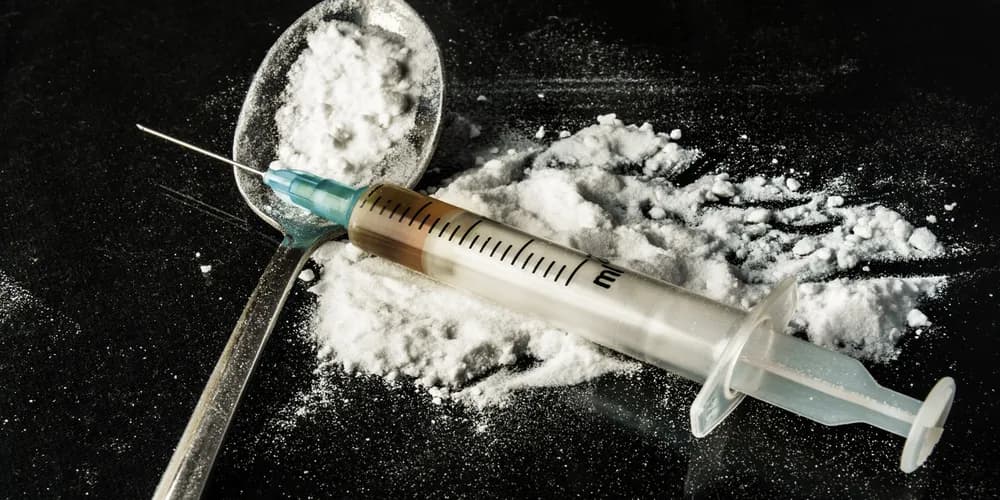
  • Drug abuse, particularly pronounced in Haryana, has led to community initiatives like “thikri pehras” to monitor drug-related activities.

Future Prospects:

  • Potential for model expansion to other parts of Haryana once established and assessed for effectiveness in Jind.

Participants and Support:

  • Launch event attended by Jind Deputy Commissioner Vaishali Sharma and cluster teams meeting with local communities to drive engagement.

This initiative highlights a community-centric approach to tackle critical social issues such as drug abuse and educational access through professional volunteering and local resource mobilization.

Key Terms & Concepts

Panchgama Vikas ModelCommunity-led initiative for youth
Chandigarh Director-General of PoliceInitiator of the project
300 villagesScope of the initiative
60 clustersVillage organization structure
Chaudhary Ranbir Singh UniversityEvent launch location
6000 childrenPotential reach per session
Drug abuseKey issue addressed
thikri pehrasCommunity vigil against drugs
October 11, 2026Launch date of the initiative
smart librariesProposed educational resources

Mind Map for UPSC Civil Services Revision

Turn UPSC Civil Services Current Affairs Into Exam-Ready Notes

Reading Economic and Social Development current affairs is half the work. Revise them with ready-made notes and test what actually stuck.

  • Daily UPSC Civil Services current affairs analysis
  • Revision notes, mind maps & MCQs
  • Prelims mock tests with instant results

Related UPSC Civil Services Current Affairs Articles

Nvidia's Leadership Crisis and AI Industry
National and International Importance26-Nov-2026

Nvidia's Leadership Crisis and AI Industry

Exam-Focused Summary of Nvidia Leadership Crisis and AI Market Impact

Corporate Governance and Leadership

  • Jensen Huang, CEO of Nvidia, faced a brief resignation on November 12, later reinstated within 11 days.
  • Allegations against Huang included misleading the board regarding his relationship with Alice Huang, an executive linked to Megaspeed, a company under scrutiny for potential espionage tied to US-China relations.
Practise Mains answer writingUpload a handwritten answer and get it evaluated

Economic Impact and Market Analysis

  • Nvidia's stock fell 14.35% after the resignation announcement, briefly erasing around $600 billion in market value.
  • A key industry analyst, Dan Ives from Wedbush, estimated incremental price adjustments: $225 per share without Huang, $300 with him due to his significant influence.
  • Nvidia’s revenue surged to $115.8 billion, reflecting a 103% year-on-year increase, with guidance predicting revenue of $130 billion for the following quarter.

AI Investment and Industry Position

  • Nvidia committed over $40 billion towards AI equity investments within the first four months of 2026, including $30 billion specifically invested in OpenAI.
  • Fear among investors was primarily about a financing unwind rather than lower chip sales, impacting companies like CoreWeave, Nebius, and IREN adversely.

Data Center Growth in India

  • India has seen a rise in data center capacity from 375 megawatts in 2020 to 1.57 gigawatts in 2026, with significant dependence on Nvidia's GPUs for operations.
  • The IndiaAI Mission and various Indian startups are increasingly reliant on the infrastructure and technology provided by Nvidia.

National Security and International Relations

  • The Department of Justice (DOJ) is conducting a criminal investigation into Megaspeed concerning potential national security risks.
  • Reinstatement was influenced by advocacy from influential figures such as Elon Musk, and the backing of the US government, emphasizing Nvidia chips' strategic importance in technological competitiveness against China.

Regulatory and Investigative Actions

  • The California Department of Justice continues its investigation, while three US House committees plan hearings in December to examine the situation further.
  • The governance and potential unaddressed lapses in corporate responsibility contrast with the urgency to maintain strong leadership during critical competitive periods in AI.

Conclusion

The reinstatement of Huang underscores the complex interplay between corporate governance, market confidence, and national security considerations, particularly in sectors critical to US technological leadership. As investigations proceed, the future of Nvidia's leadership remains closely tied to both market performance and governmental oversight.

Economic Growth and Wage Challenges
Economic and Social Development25-Nov-2026

Economic Growth and Wage Challenges

Exam-Focused Notes:

  1. Income Tax Relief:

    • PM Modi highlighted that income tax relief of up to Rs 12 lakh has been provided, questioning industrialists on employee wage increases.
  2. Employment & Wages:

    • Concern raised about India’s growth model suppressing wages, suggesting that wages should be viewed as an engine for consumption, not as a variable.
    • Current wages in India are significantly lower compared to Vietnam, which stands at approximately $210-$240/month (Rs 17,500-Rs 20,000) against India's $140-$160/month (Rs 11,500-Rs 13,500).
  3. Periodic Labour Force Survey (PLFS) Insights:

    • Real wages at the national level grew by only 0.01% from Q2 of FY20 to Q1 of FY25.
    • In Haryana and Uttar Pradesh, real wages actually contracted during this period.
    • Economic Survey 2025 indicates a decline in real monthly earnings for self-employed men, from Rs 9,454 in 2017-18 to Rs 8,591 in 2023-24 (9.1% decrease).
    • The situation was labeled a “K-shaped recovery,” with the top 10% gaining, while 60% struggle with basic needs.
  4. Household Consumption & GDP:

    • Household consumption accounts for ~60% of India's GDP, necessitating an increase in wages for economic stability.
    • Employers are urged to recognize their role in uplifting worker dignity and disposable income, which directly influence GDP growth.
  5. Labour Laws & Economic Strategy:

    • The consolidation of 29 labour laws into 4 Codes aims for better administrative efficiency but does not adequately address the wage issues faced by workers.
    • PM Modi emphasizes the necessity of fair wages for productivity and operational excellence, positioning better pay as an investment, not a burden.
  6. Shift in Government Focus:

    • Transition from a predominantly "kisan-centric" economic policy to a "kaamgaar-centric" model, addressing non-farm workers and the gig economy.
    • Enhanced social security and better wages aimed at formal and informal workers are critical for building a blue-collar middle class.
  7. Investment in Workforce:

    • High turnover in factories due to inadequate wages highlights the necessity of addressing pay scales to ensure operational harmony.
    • The concept of a “Dignity of Work” framework is presented as essential for leveraging India’s demographic dividend toward achieving a $10 trillion economy.
  8. Call to Action for Industry:

    • PM Modi urges industries to step up in investing in their workforce, indispensable to realizing the full potential of India's growth narrative.

In summary, the discourse by PM Modi at the FICCI annual general meeting underscores a critical pivot towards enhancing worker wages and rights as an overarching theme for sustainable economic growth in India. The government's labor reforms and strategies aim to create a balanced economy that does not exploit labor but instead empowers it through dignity and fair compensation.

Mental Health Policy for Indian Students
Economic and Social Development24-Nov-2026

Mental Health Policy for Indian Students

Summary of Key Points on Mental Health Policy in Indian Education System

Mental Health Statistics

  • Suicide Data:
    • In 2024, 14,488 students died by suicide in India.
    • This marked a 4.3% increase from 2023 (13,892 cases).
    • Between 2015 and 2024, there has been a 62% increase in student suicides, now accounting for 8.5% of total suicides in India.

Constitutional References and Policies

  • National Education Policy (NEP) 2020:
    • Emphasizes a broader understanding of education beyond academic performance.
    • Advocates for creativity, inclusive classrooms, manageable workloads, and career guidance.

Government Initiatives

  • Ehsaas 2026:
    • An initiative by the Delhi government aimed at addressing mental health and well-being in schools and higher education institutions.
    • Includes provisions for:
      • School Counsellors: Suggested ratio of 1 counsellor for every 500 students.
      • Helplines and District-Level Well-Being Centres: Establishes resources for mental health support.
      • Training for Teachers and Parents: Focus on mental health awareness and support mechanisms.
      • Structured Escalation Mechanism: Facilitate timely interventions for at-risk students.

Implementation Challenges

  • The initial ratio of counsellors may prove inadequate due to diverse student needs.
  • The need for:
    • Continuous training and regular appointments of counsellors.
    • Sufficient personnel and resources at district-level facilities to ensure effective referral systems.

Societal Context

  • The policy acknowledges various stressors impacting students, such as:
    • Academic pressure,
    • Family circumstances,
    • Social isolation,
    • Bullying,
    • Future uncertainties.

Future Considerations

  • Success of the Ehsaas policy relies on tangible improvements in students' daily experiences:
    • Feeling heard and seen.
    • Building confidence and dignity beyond traditional academic settings.

Conclusion

  • The Ehsaas 2026 policy represents a crucial step towards integrating mental health into the educational framework, necessitating ongoing commitment to reform efforts for achieving meaningful impact in students' lives.
Transforming India's Poverty Landscape
Economic and Social Development24-Nov-2026

Transforming India's Poverty Landscape

Exam-Focused Notes on Poverty Alleviation and Government Initiatives in India

Key Statistics and Data:

  • Poverty Reduction: Nearly 50 crore Indians have moved out of poverty between 2011 and 2023, with extreme poverty almost eradicated.
  • Health Impact: Swachh Bharat Mission has helped avert 60,000-70,000 infant deaths annually through improved sanitation.
  • Water Access: Jal Jeevan Mission increased rural tap water connections from 3 crore in 2019 to nearly 16 crore.
  • Financial Inclusion: Over 59 crore Jan Dhan accounts have enabled direct benefit transfers without intermediaries.
  • MUDRA Loans: 60 crore loan accounts sanctioned under the MUDRA scheme, with about two-thirds to women.

Government Schemes and Policies:

  1. Swachh Bharat Mission: Focus on improving sanitation, which has direct health benefits.
  2. Jal Jeevan Mission: Aims to provide safe and adequate drinking water to rural households.
  3. Ujjwala Yojana: Facilitates access to clean cooking fuel for households to improve living conditions.
  • PM Awas Yojana: Targets provision of pucca homes ensuring security and dignity for families.
  • Ayushman Bharat: Offers cashless hospital care to strengthen financial protection against health expenses.
  • MUDRA Scheme: Provides collateral-free loans to support small businesses, particularly among women.
  • DAY-NRLM: Supports women's self-help groups (SHGs) for savings, skills, credit, and entrepreneurship.
  • Constitutional References:

    • Antyodaya Principle: Focused on improving the conditions of the most disadvantaged individuals first, ensuring equitable development across all sections of society.

    Economic Indicators:

    • Transition from enabling temporary relief to removing systemic barriers to poverty has been emphasized, linked closely with the economic empowerment of women and marginalized groups through targeted interventions.

    Challenges and Future Goals:

    • Continuous effort required to address the remaining population at the bottom of the economic ladder.
    • The government aims to ensure those who have risen from poverty remain upwardly mobile.
    • A significant focus on increasing access to finance, markets, and the digital economy is essential.
    • Vision for Viksit Bharat by 2047: Commitment by the government to uplift all citizens and ensure equity in access to opportunities.

    International Relevance and Aspirations:

    • Achieving these targets marks a significant shift in how India is perceived globally in terms of poverty alleviation and economic development.
    • Emphasizes the collective effort of 140 crore Indians towards building a prosperous future.

    Women's Empowerment:

    • Women’s participation in SHGs has been instrumental in economic transformation, with some women achieving status as "Lakhpati Didis" and "Crorepati Didis."
    • Specific programs like PM SVANidhi have been tailored to support urban street vendors and traditional artisans, reflecting an inclusive growth strategy.

    Conclusion:

    India's multifaceted approach to poverty alleviation, characterized by robust government schemes, targeted interventions, and a strong focus on women's empowerment, demonstrates a comprehensive effort to reshape the socio-economic landscape of the country by 2047. The success stories highlighted reflect enhanced aspirations and resilience of individuals, especially women, as they strive for economic self-sufficiency and dignity.