iAspirants
Concerns Over Char Dham Road Project
Published on:
Share this post

Article Summary
Exam-Focused Summary: Environmental Concerns Over Char Dham Road Project
1. Environmental Initiative and Yatra
- Location: Uttarkashi-Gangotri stretch in Uttarakhand.
- Participants: Local citizens, environmental groups, and RSS's environment wing (around 100 participants).
- Activities: Symbolic worship of Deodar trees, tying Raksha Sutras as part of environmental conservation efforts.
2. Key Advocates
- Gopal Arya: Head of RSS’s environment wing.
- Murli Manohar Joshi: BJP patriarch who expressed concerns through a video address.
- Krishna Gopal: RSS joint general secretary, emphasized the significance of safeguarding the Himalayas for broader ecological and economic stability.
3. Concerns Raised
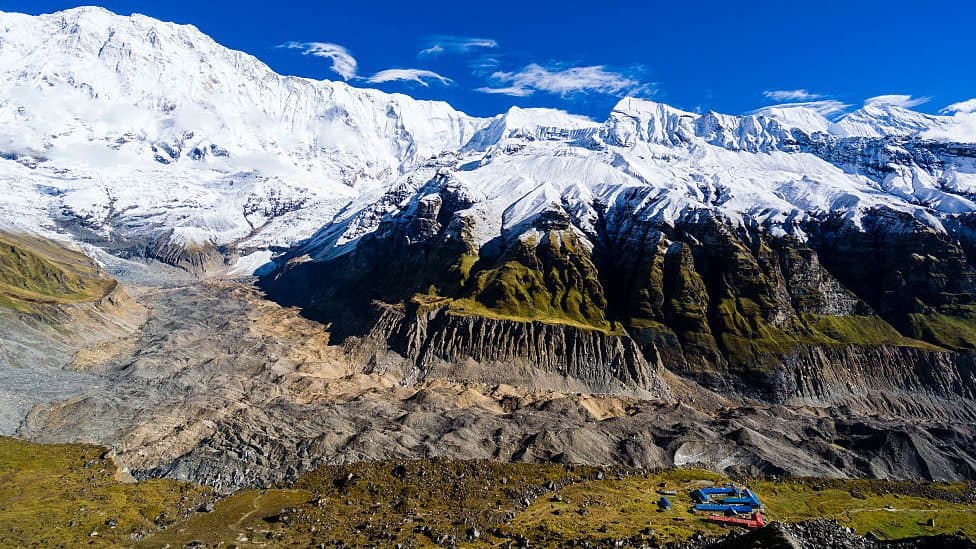
- Ecological Impact: The proposed widening of roads under the Char Dham project poses risks to the fragile Himalayan ecosystem.
- Disaster Resilience: Calls for a sustainable road-building model that accounts for disaster-prone areas rather than a blanket approach to road widening.
4. Judicial Context
- Supreme Court Judgment (2021): Allowed certain stretches of the Char Dham all-weather project citing defense and strategic needs; however, there are calls for a recall and review of this judgment.
- Recent Actions: A collective named 'Himalaya to Hum Hain', supported by Joshi and Singh, is set to appeal against the 2021 judgment.
5. Government Actions
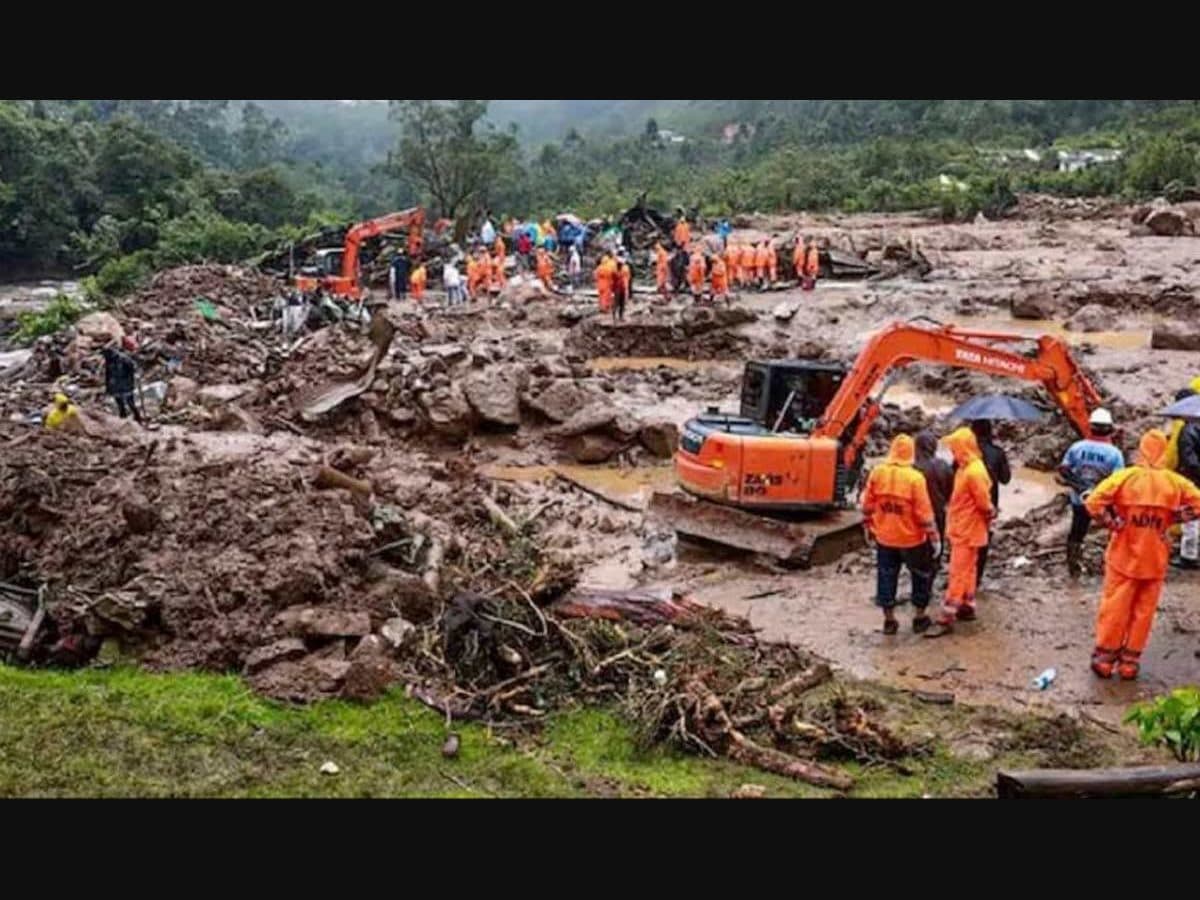
- Uttarakhand Government’s Decision: Approved the widening of a 20-km stretch between Jhala (Harsil valley) and Bhaironghati, despite implications after the August 5 Dharali landslide disaster that resulted in 16 fatalities.
6. Cultural and Environmental Significance
- Himalayan Protection: The environment advocates stress that protecting ecosystems like the Himalayas is linked to broader issues, including economic interests and agriculture.
- Role of Sacred Trees: Emphasis on the importance of protecting sacred species, aligning environmental efforts with cultural values.
7. International Relations and Agreements
- The prevention of ecological degradation in the Himalayas may align with global goals concerning climate change and environmental sustainability, though specific treaties or agreements are not detailed in the document.
8. Risk Management and Future Planning
- Emphasis on a balanced approach in development and military strategy, underlining that neglecting ecological conservation could lead to safety crises that threaten humanity.
Conclusion
This summary highlights the growing conflict between development projects like the Char Dham road and the environmental sustainability of the Himalayan region. Key figures have taken a stand advocating for ecological conservation while questioning the socio-economic rationale behind such projects, emphasizing the interlink between environmental health and economic stability. The judicial rulings, government decisions, and advocates' initiatives collectively signal a critical moment for environmental policy and development practices in India.
Key Terms & Concepts
| Uttarakhand | Location of the project |
| Char Dham road project | Infrastructure development initiative |
| Deodar trees | Ecologically significant species |
| Himalayas | Critical ecological region |
| B R Gavai | Chief Justice of India |
| 2021 Supreme Court judgment | Legal decision on the project |
| August 5 Dharali landslide | Disaster event causing fatalities |
| 20-km stretch between Jhala and Bhaironghati | Area approved for road widening |
| Himalaya to Hum Hain | Collective supporting environmental initiatives |
| RSS’s environment wing | Supportive environmental organization |