iAspirants
Concerns Over Ethanol Blended Petrol
Published on:
Share this post
Article Summary
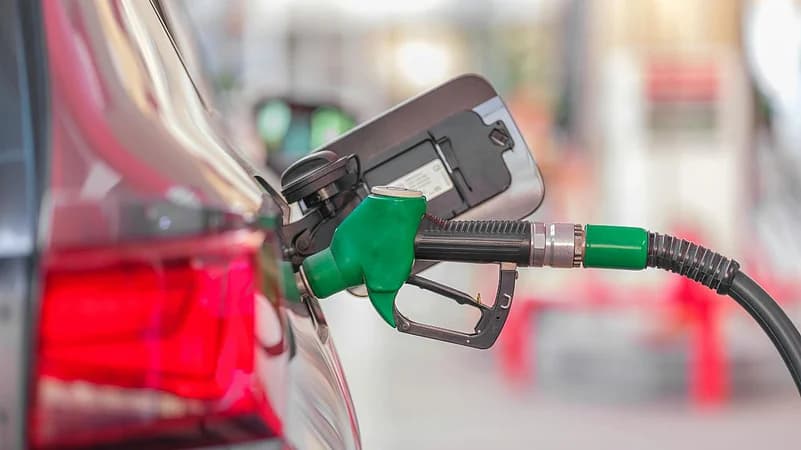
Ethanol Blending in Petrol: Key Facts and Data
Background and Implementation
- Ethanol Blending Program Start: The ethanol blending program for petrol was officially launched in February 2023, with a target blend of 20% ethanol.
- Ethanol Blend Milestone: Achieved 19.99% ethanol blending by December 2025.
- Collaborating Institutions: Studies conducted by Automotive Research Institute of India (ARAI), Indian Institute of Petroleum (IIP), Society of Automobile Manufacturers (SIAM), and Indian Oil to assess the compatibility and performance of ethanol-blended petrol.
Claims and Clarifications
- Concerns Addressed: Reports of engine corrosion, performance drop, and compatibility issues with the 20% blended petrol have been refuted by the Petroleum Ministry, emphasizing that extensive field trials support their claims.
- Mileage Impact: Only a marginal decline observed in mileage with lower blends (10% ethanol).
- Field Trial Results: Over 40,000 kilometers test length for cars and 20,000 kilometers for two-wheelers showed no significant negative effects on drivability or compatibility for vehicles using blended petrol.
Benefits of Ethanol Blending
- Environmental and Economic Impact:
- Substituted 310 lakh metric tonnes of crude oil.
- Generated over ₹1.6 lakh crore in payments to farmers.
- Averted more than ₹1.9 lakh crore in foreign exchange expenditure.
International Comparisons
- Global Best Practices: India’s ethanol blending is reported to be consistent with practices in Japan, Canada, the U.S. (10% blending) and Brazil (27% blending).
- Performance Characteristics: Ethanol is noted for its high octane number, making it suitable for high-performance vehicles, enhancing anti-knock properties, and providing cooling effects advantageous in sports cars.
Political and Public Reactions
- Public Concerns: Activists like Arvind Kejriwal and Tehseen Poonawalla have voiced strong opposition, suggesting the imposition of blended fuel is detrimental to consumer choice and vehicle performance.
- Protests Proposed: Calls for public protests against the mandatory blending policy have emerged, highlighting a growing discontent among vehicle owners regarding the fuel blending initiative.
Current Status and Next Steps
- Government's Position: The Petroleum Ministry affirms adherence to best practices while managing misinformation and public concerns through continued communication.
- Future Implications: Potential for further studies and adjustments to the blending program may be necessary based on ongoing public feedback and technological developments.
Summary
India's ethanol-blended petrol initiative has been launched to substitute crude oil imports and enhance environmental gains while boosting the agricultural economy. Despite the government-backed studies showing positive results, public skepticism and political opposition suggest the need for ongoing dialogue and evaluation of the impact on vehicle performance and consumer sentiment.
Key Terms & Concepts
| Ethanol blending programme | Government's fuel policy |
| 20% ethanol blend | Fuel mixture specification |
| Automotive Research Institute of India (ARAI) | Conducted compatibility studies |
| Indian Institute of Petroleum | Conducted compatibility studies |
| Society of Automobile Manufacturers (SIAM) | Collaborated on studies |
| Indian Oil | Partner in fuel blending |
| February 2023 | Launch date of 20% blend |
| December 2025 | Achieved blending milestone |
| 310 lakh metric tonnes | Crude oil substitution |
| ₹1.6 lakh crore | Payments to farmers |
| ₹1.9 lakh crore | Foreign exchange savings |
| 40,000 kilometres | Car trial distance |