iAspirants
Concerns Over India's Climate Research Instruments
Published on:
Share this post
Article Summary
Summary of Key Points from the MSV Report on Climate Research
Climate Observation and Instrumentation
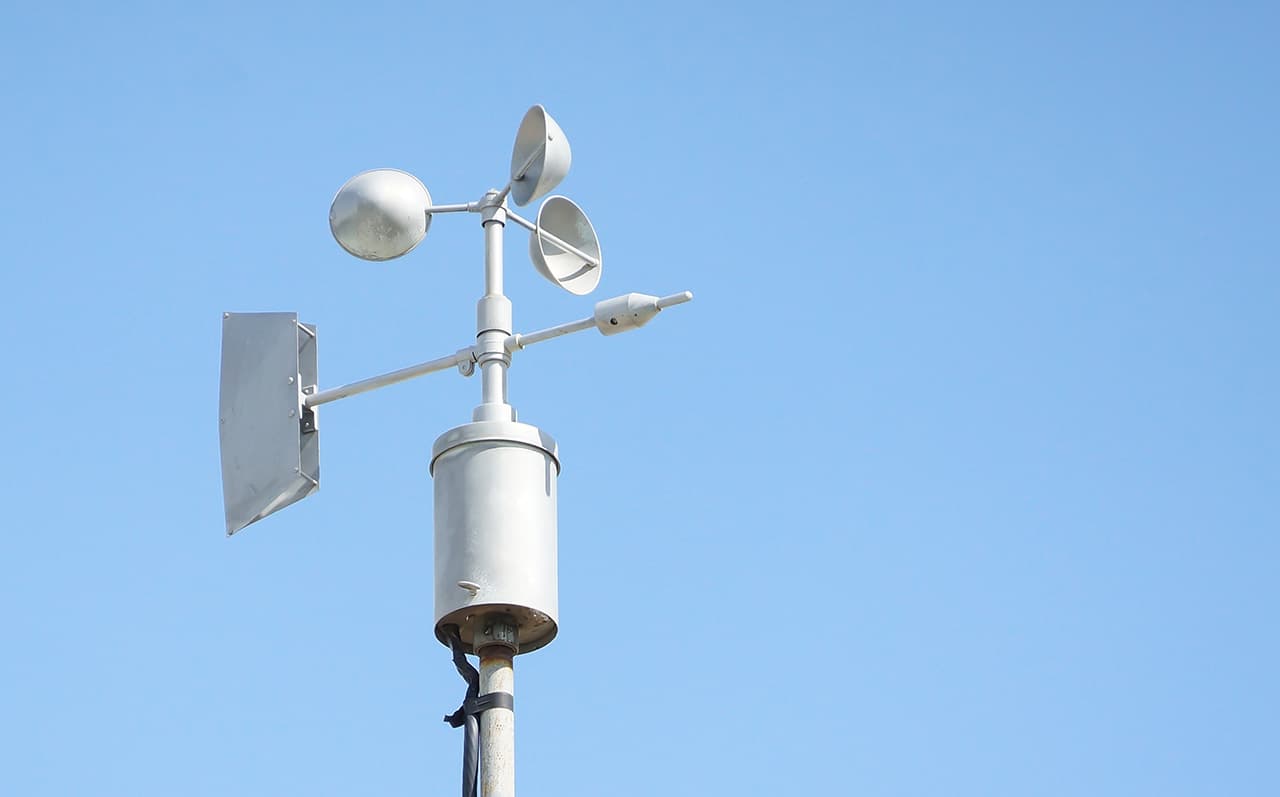
- Concern: Indian climate scientists express concern over reliance on imported scientific instruments, resulting in potential inaccuracies in climate data due to uncalibrated equipment.
- Impact: The report indicates that this reliance raises questions about the credibility of Indian scientific reporting both nationally and internationally.
Government Initiatives and Challenges
- Atmanirbhar Bharat: The Indian government’s self-reliance initiative (Atmanirbhar) mandates institutions to procure scientific equipment from the Government e-Marketplace (GeM).
- Economic Policy Adjustment: In June 2025, the Finance Ministry allowed some institutions to bypass GeM for global tenders of up to ₹200 crore due to complaints about sub-standard equipment.
Climate Change Effects
- India faces acute climate issues, including:
- Increased heatwaves.
- Erratic monsoon patterns.
- Accelerating glacial melt in the Himalayas.
These issues underscore the necessity for reliable and precisely calibrated climate observations.
Mega Science Vision-2035 (MSV) Report Highlights
- Purpose: Drafted by Indian climate scientists and coordinated by the Indian Institute of Science (IISc), the report serves as a roadmap for climate research through 2035.
- Community Input: Gathered insights from about 3,200 researchers, analyzed by a panel of 35 experts from various fields.
- Non-Governmental Status: The document emphasizes that it reflects the aspirations of the climate research community and is not an official government policy or funding statement.
Research Recommendations and Initiatives
- Renewable Energy Caution: Calls for studies on the social costs of carbon emissions and the implementation of the “polluter pays” principle.
- Indigenous Earth System Model: Recommendation for developing a model from foundational principles, rather than adapting existing Western models.
- Highlighting Research Gaps: Identified deficits in clean energy studies, carbon capture research, integration of environmental and health data, and training in communication of climate science.
- Mega Projects Proposal:
- Eight proposed projects to include observations, satellites, indigenous sensors, and research on carbon neutrality.
- Estimated costs: ₹795 crore (modest growth scenario) to ₹1,359 crore (aspirational scenario).
India’s Energy Commitments
- Targeted Capacity: India aims for 500 GW of non-fossil fuel electricity capacity by 2030, surpassing half of its target by 2025, ahead of the Paris Agreement goals.
Constitutional and Legal Framework
- While the report does not directly reference constitutional articles, it embodies the principles of sustainable development as outlined in Directive Principles of State Policy (DPSPs), particularly in fostering environmental sustainability and public health.
These points encapsulate significant insights from the MSV report and highlight critical challenges and opportunities within India's climate research and renewable energy sectors.
Key Terms & Concepts
| Mega Science Vision-2035 (MSV) | Climate research roadmap document |
| Indian Institute of Science, Bengaluru | Nodal institution for climate research |
| Office of the Principal Scientific Adviser (PSA) | Oversight for scientific initiatives |
| Government e-Marketplace (GeM) | Mandatory procurement platform |
| ₹200 crore | Tender limit after rule rollback |
| 500 GW | Non-fossil capacity pledge by 2030 |
| 2030 Paris Agreement | International climate commitment |
| ₹795 crore | Cost under modest growth scenario |
| ₹1,359 crore | Cost under aspirational scenario |
| Climate consequences of renewable energy | Focus for future studies |