iAspirants
Concerns over India's Electoral Integrity
Published on:
Share this post

Article Summary
Summary of Key Points on Election Commission of India’s Special Intensive Revision (SIR) 2.0
1. Context and Concern
- The Special Intensive Revision (SIR) 2.0 of electoral rolls is being carried out by the Election Commission of India (ECI) in 12 States and Union Territories, with significant recent focus on Bihar.
- The process has raised alarms about the potential disenfranchisement of voters and the implications for electoral democracy in India.
2. Problematic Findings in Bihar’s SIR
- Elector Disenfranchisement: Flaws identified include a decline in the adult-elector ratio and disproportionate deletions affecting women and Muslim voters.
- Duplicity and Errors: The revision included duplicates and incorrect entries, undermining the integrity of the electoral rolls.
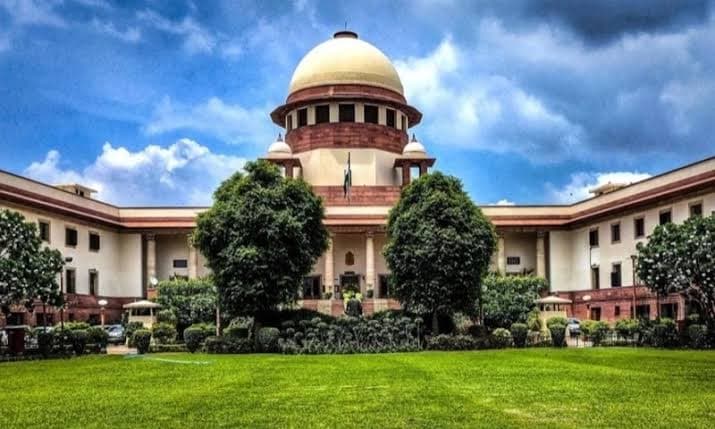
- Judicial Oversight: The Supreme Court has been involved but has not addressed key legal questions regarding the ECI's authority to conduct SIRs, allowing the process to continue despite raised concerns.
3. Constitutional Framework and Laws
- Article 243A & 243J: Empower local governance for social audit processes; relevant for monitoring electoral roll revisions.
- Representation of the People Act, 1950:
- Section 19: Defines "ordinarily resident" status for inclusion in electoral rolls.
- Section 20: Needs updating to reflect modern migration patterns (long-term, seasonal, circular migrants).
4. Call for Social Audits
- Need for Social Audits: The editorial advocates for mandatory social audits for electoral roll verification to enhance democratic participation and oversight.
- Historical Context: A successful social audit approach was employed in 2003 under Chief Election Commissioner J.M. Lyngdoh, resulting in significant electoral roll updates.
5. Institutional Critique
- The ECI’s handle on the SIR has drawn criticism regarding its accountability and responsiveness to civil scrutiny.
- The lack of checks and balances in the current SIR process raises concerns about external influence and manipulation.
6. Voter Participation Issues
- Over 30%-40% of registered voters do not participate in elections, making the demand for re-registering impractical and potentially disenfranchising.
7. Recommendations
- The ECI should develop and formalize rules for conducting SIR, integrating social audit processes in consultation with civil society and political entities to ensure the integrity and inclusiveness of electoral rolls.
8. National Relevance
- Ensuring an accurate electoral roll is foundational to upholding universal adult franchise in India, a cornerstone of its democratic system.
Conclusion
The ongoing SIR raises critical questions about electoral integrity and the need for reforms to protect the rights of all voters, particularly marginalized groups. Establishing robust monitoring mechanisms through legally mandated social audits can help foster greater transparency and accountability in the electoral process.
Key Terms & Concepts
| Election Commission of India | Conducts electoral roll revisions |
| Bihar | State conducting Special Intensive Revision |
| Supreme Court | Monitoring legality of electoral process |
| Section 19 of the Representation of the People Act, 1950 | Defines voter residency requirements |
| Article 243A and 243J | Empowers social audit monitoring |
| 30% to 40% | Percentage of voters not voting |
| 2003 | Year of previous successful social audit |
| 7 lakh | Changes made in Rajasthan electoral rolls |