iAspirants
Concerns Over India's Electoral Roll Revisions
Published on:
Share this post

Article Summary
Summary Notes on the Special Intensive Revision (SIR) of Electoral Rolls in India
Context:
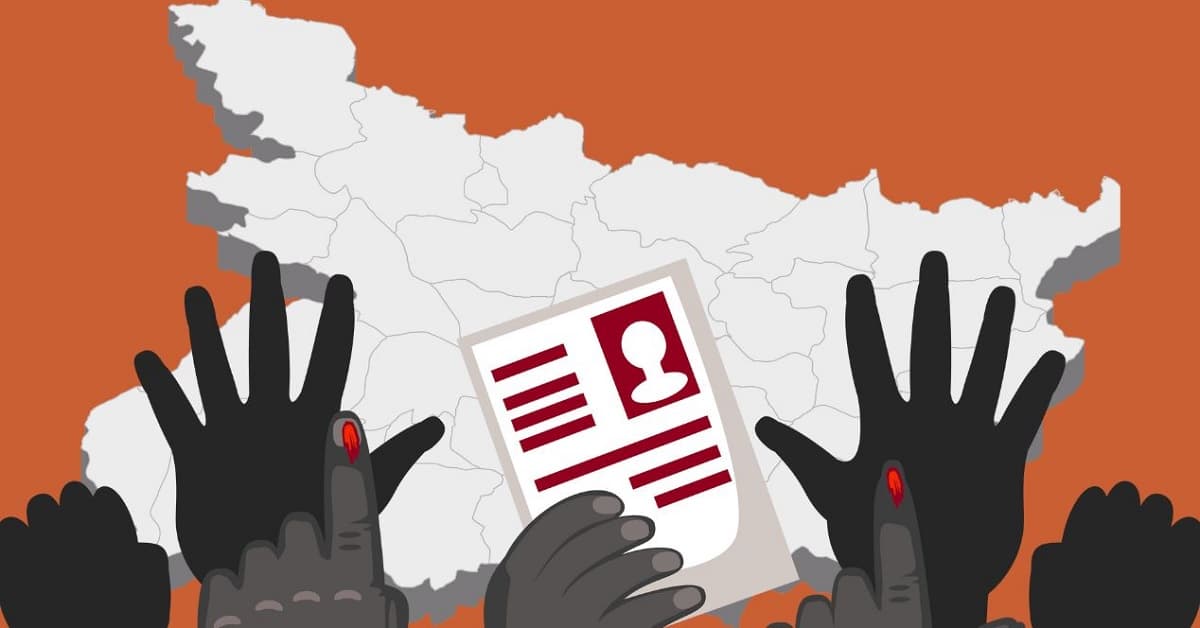
- The SIR exercise has led to the removal of over 13 crore names from electoral rolls in India, affecting the fundamental right to vote.
- The initiative raised concerns over the criteria used to verify electoral eligibility and the implications of automated processes for ordinary citizens.
Key Figures:
- 13 crore: Number of voters removed since June 2025.
- 728 out of 729 voters in one Delhi booth were removed due to address proof issues.
- 17% of West Bengal's electors flagged as suspicious.
- 41% of Madhya Pradesh's electors flagged.
- 91% of reversed appeals in West Bengal tribal regions.
Judicial Context:
- Supreme Court Ruling (1995): Established that a name on the electoral roll is presumed to be legally registered; SIR effectively reversed this presumption.
- The Supreme Court is currently examining petitions regarding the SIR's processes and the preservation of records.
Constitutional References:
- Right to Vote: Stripped from citizens due to erroneous removals without proper verification.
- Comparison drawn to the principle of natural justice where individuals should have the opportunity to prove their eligibility.
Electoral Process Concerns:
- The SIR employs software-driven, data-matching exercises leading to potentially large-scale disenfranchisement.
- Reports indicate that discrepancies in name translations and age gaps led to unjust removals, reflecting lack of logical reasoning in data processing.
Disenfranchisement Effects:
- Many citizens have faced barriers not just to voting but also to receiving food assistance, evident after a state order deemed SIR-removed voters ineligible for ration cards.
Recommendations and Reforms:
- Calls for the Election Commission of India (ECI) to disclose matching criteria and error rates linked to the SIR process.
- Emphasis on the need for an independent audit of the electoral roll verification system to ensure individuals maintain their voting rights.
- A suggested framework where actual verification by election officers occurs before a name can be struck from the rolls, contrasting the current automated system.
Technological Implications:
- The automation meant to assist human decision-making has led to significant errors, raising concerns over the role of technology in electoral governance.
- The ECI's platform, ECINet, is set to be shared internationally, which could influence voter verification processes globally.
Global Context:
- Scrutiny of India's electoral practices has implications for how other democracies view voter registration practices.
- Mention of U.S. President's views aligning India's photo ID rules with stricter U.S. voter laws.
Conclusion:
- The SIR reflects a critical need for balance in electoral integrity measures and safeguarding citizens' rights. The Election Commission is urged to ensure processes do not undermine democracy through undue automation errors.
These notes encapsulate the significant controversies, legal frameworks, and implications surrounding the SIR process, emphasizing the need for scrutiny and reform in the electoral system of India.
Key Terms & Concepts
| Special Intensive Revision (SIR) | Voter roll cleansing process |
| Election Commission of India (ECI) | Body overseeing elections |
| Supreme Court | Judicial authority on voter rights |
| West Bengal | State with high voter exclusions |
| Madhya Pradesh | State with high voter exclusions |
| Goa | State affected by voter removal |
| 1995 Supreme Court ruling | Legal presumption of voter status |
| Gyanesh Kumar | Chief Election Commissioner |
| 2026 Assembly election | Upcoming electoral event |
| ECINet | Digital platform for elections |
| Internet Freedom Foundation | Research organization highlighting issues |