iAspirants
Concerns Over India's New Labour Codes
Published on:
Share this post

Article Summary
Summary of Labour Codes and Their Impact
Overview of Labour Codes
- Laws: Four labour codes passed in 2019 and 2020 concerning:
- Industrial Relations
- Wages
- Social Security
- Occupational Health and Safety
Criticisms
- Tripartite Consultation: Passes without comprehensive tripartite discussions involving workers, employers, and the government, contravening best practices for labour relations.
- Impact on Workforce: Threat to rights of workers in organized (often discussed) and unorganized sectors (over 90% of India's workforce contributing 65% to GDP).
Social Security Code
- Workers’ Benefits: Organised workers receive defined social security benefits; unorganised workers' benefits are unspecified and vague.
- Welfare Boards Abolition: The abolition of multiple cesses under GST affects funds previously allocated for sectors like beedi, salt, mining, without guaranteed replacements.
- Centralized Approach: Unified welfare board for unorganised workers neglecting specific sector needs, possibly losing funds meant for worker welfare (estimated at ₹1 lakh crore in Tamil Nadu).
Occupational Safety, Health, and Working Conditions (OSHWC) Code
- Regulatory Changes: Removes 180 safety rules from the BOCW Act, which protected construction workers, posing risks amidst an already hazardous sector.
- Inspection System: Transition to a web-based inspection system raises concerns about effectiveness and compliance with ILO Convention 81.
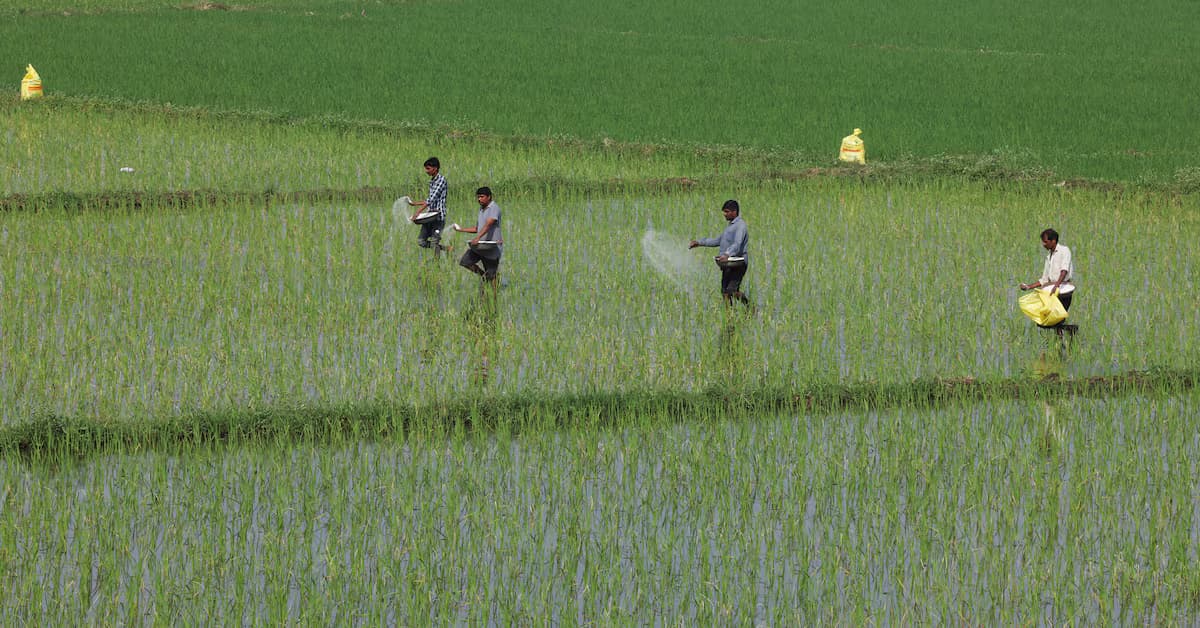
- Health Risks: Ignored health risks faced by informal workers (e.g., silicosis, pesticide-related cancers).
Constitutional and International References
- ILO Conventions: Non-compliance with international labor standards such as:
- ILO Convention 81: Regarding workplace inspection systems.
- ILO Convention 161: Advocating national policies for occupational health services.
State Responses
- Tamil Nadu's Dilemma: State deliberating on rules for the Social Security Code; existing welfare structures at risk, including 39 sector-specific welfare boards providing essential benefits like pensions and educational assistance.
- Comparative States: Other states, e.g., Andhra Pradesh, have prematurely dissolved welfare boards due to code induction.
Recommendations
- State Welfare Infrastructure Protection: Emphasis on maintaining protections offered by Tamil Nadu's labour laws, urging similar actions as seen in Kerala.
- Recognition of Informal Sector: Need for better alignment of policies that address the specific realities of unorganised workers.
Conclusion
The implementation of the 2019 and 2020 labour codes raises significant concerns over the viability and protection of workers' rights, particularly in the unorganized sector, calling for rigorous advocacy and protective measures at both state and national levels.
Key Terms & Concepts
| Labour Codes 2019 and 2020 | New labour legislation affecting workers |
| Indian Labour Conference (ILC) | No tripartite consultation held |
| 90% | Percentage of unorganised sector workers |
| 65% | Contribution to GDP from unorganised sector |
| Building and Other Construction Workers (BOCW) Act, 1996 | Existing protections threatened, repealed |
| Occupational Safety, Health and Working Conditions (OSHWC) Code | New code replacing earlier protections |
| ILO Convention 81 | International labor standards violated |
| ILO Convention 161 | Policy on occupational health services |
| Employees’ State Insurance (ESI) | Not available for informal workers |
| Social Security (SS) Code | Vaguely defined welfare schemes |
| Goods and Services Tax reforms | Abolition of various cesses |
| ₹1 lakh crore |