iAspirants
Concerns Over Mass Arrests in Kashmir
Published on:
Share this post
Article Summary
Key Points from Recent Events in Jammu and Kashmir:
Mass Arrests and Demolitions:
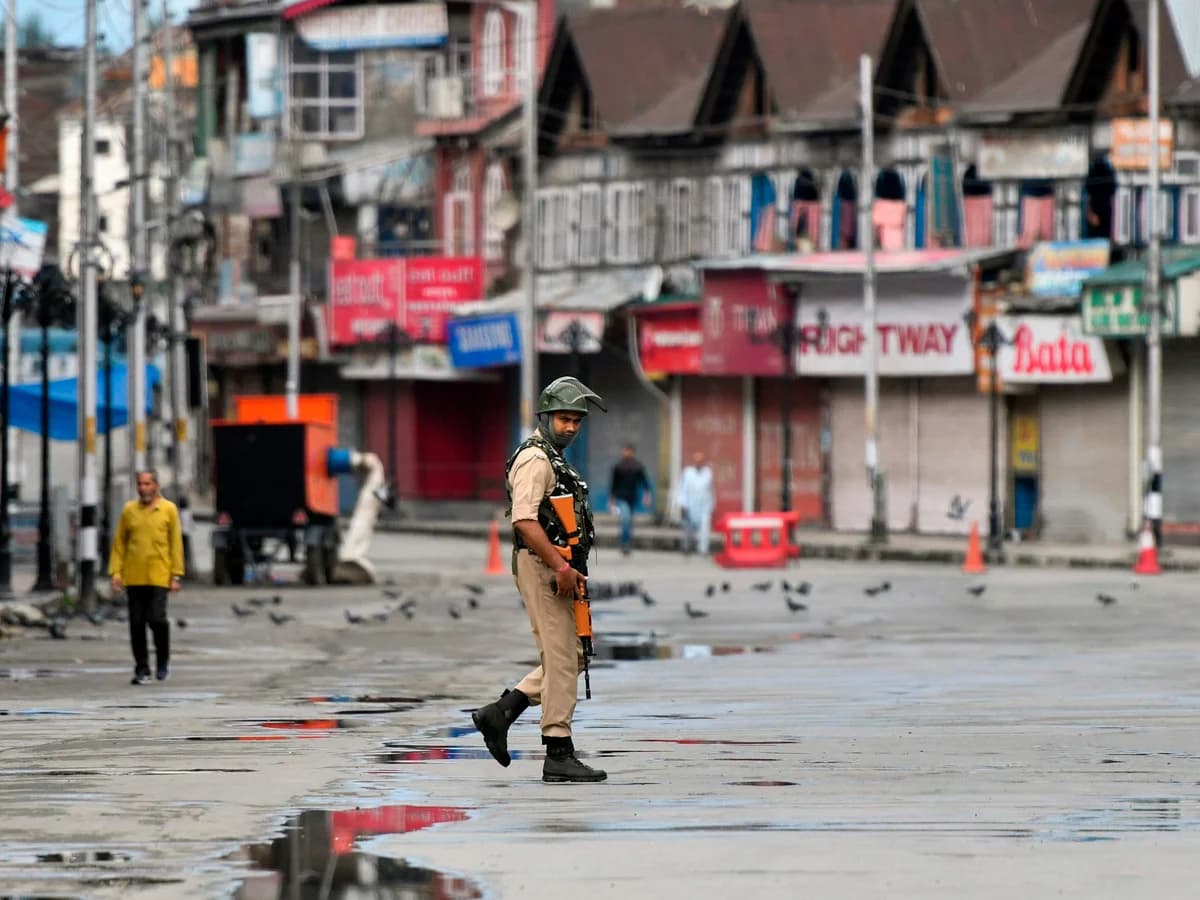
- Over 2,500 young men have reportedly been detained in Kashmir on allegations of being "over-ground workers" (OGWs) following the Anantnag attack that resulted in the death of a policeman.
- Reports indicate mass demolitions of homes belonging to families of suspected militants, raising concerns about collective punishment.
- Leaders of regional political parties, including Mirwaiz Umar Farooq and MPs Engineer Rashid and Aga Syed Ruhullah, have spoken out against these actions, citing them as extrajudicial measures.
Legal Concerns:
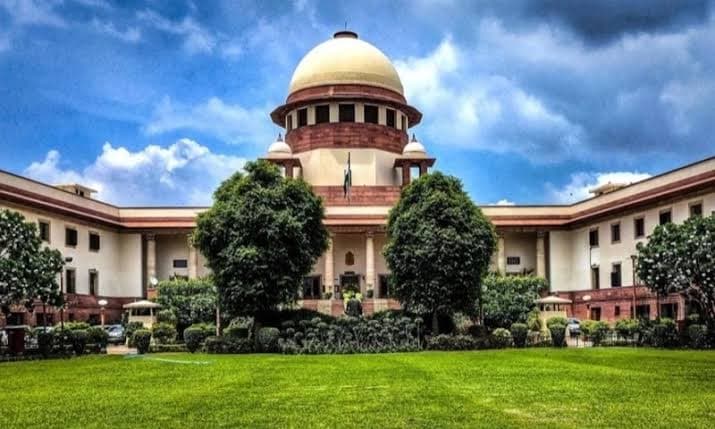
- MP Ruhullah emphasized that punitive demolition without due process has been deemed unconstitutional by the Supreme Court.
- Calls for investigations into the Anantnag attack were made, with politicians arguing for accountability for the perpetrators rather than punishing innocent families.
Political Reactions:
- Protests erupted in Parliament with MPs criticizing the mass detentions and calling the situation in Kashmir a form of state oppression.
- MP Rashid questioned the disparity in the response to violence in different regions of India, particularly comparing the treatment of protesters in Delhi with actions taken in Kashmir.
Statements from Political Leaders:
- Mirwaiz Umar Farooq stated that violence by one cannot justify collective punishment, arguing for dialogue and engagement over forceful actions.
- Leaders from the National Conference and J&K Peoples Conference condemned mass arrests as community punishment and called for a reconsideration of these tactics.
Judicial References:
- The Supreme Court of India has ruled punitive measures, such as demolishments without due process, to be unconstitutional, stressing the importance of legal safeguards.
Human Rights:
- Criticism of the handling of protests and police brutality, particularly with references to the use of pellet guns against protesters, remains a significant concern.
- There is an ongoing dialogue regarding the handling of human rights in the region, notably the treatment of students and activists advocating for their rights.
Community Impact:
- Local leaders emphasize that actions taken against families of suspects are counterproductive and lead to increased resentment among communities.
- Calls for better methods of reintegration and dealing with past conflicts are being raised, suggesting a need for policies addressing the long-term implications of conflict in Kashmir.
Public Response and Activism:
- The release of Kashmiri human rights activist Khurram Parvez on bail was welcomed amidst ongoing humanitarian concerns in the region.
- Protests and discussions are taking place about the treatment of Kashmiris and their representation in national discourse.
These points highlight ongoing tensions and the interplay of local governance, community safety, legal frameworks, and human rights in Jammu and Kashmir, as political leaders push for a reconsideration of the current approach by law enforcement and the state.
Key Terms & Concepts
| Anantnag attack | Incident leading to arrests |
| 2000 young men | Mass arrests in Kashmir |
| Supreme Court | Judicial authority on demolitions |
| extrajudicial measures | Unlawful actions by police |
| 2,500 detainees | Recent mass detentions |
| Bhaderwah | Location of police killing |
| community punishment | Critique of arrest strategy |
| rehabilitation of militants | Conflict resolution approach |
| Kashmiri human rights activist | Demands for rights recognition |