iAspirants
Concerns Over New Data Centres
Published on:
Source: The Hindu
Share this post
Article Summary
Notes on Data Centres and AI Expansion
Overview of Data Centres
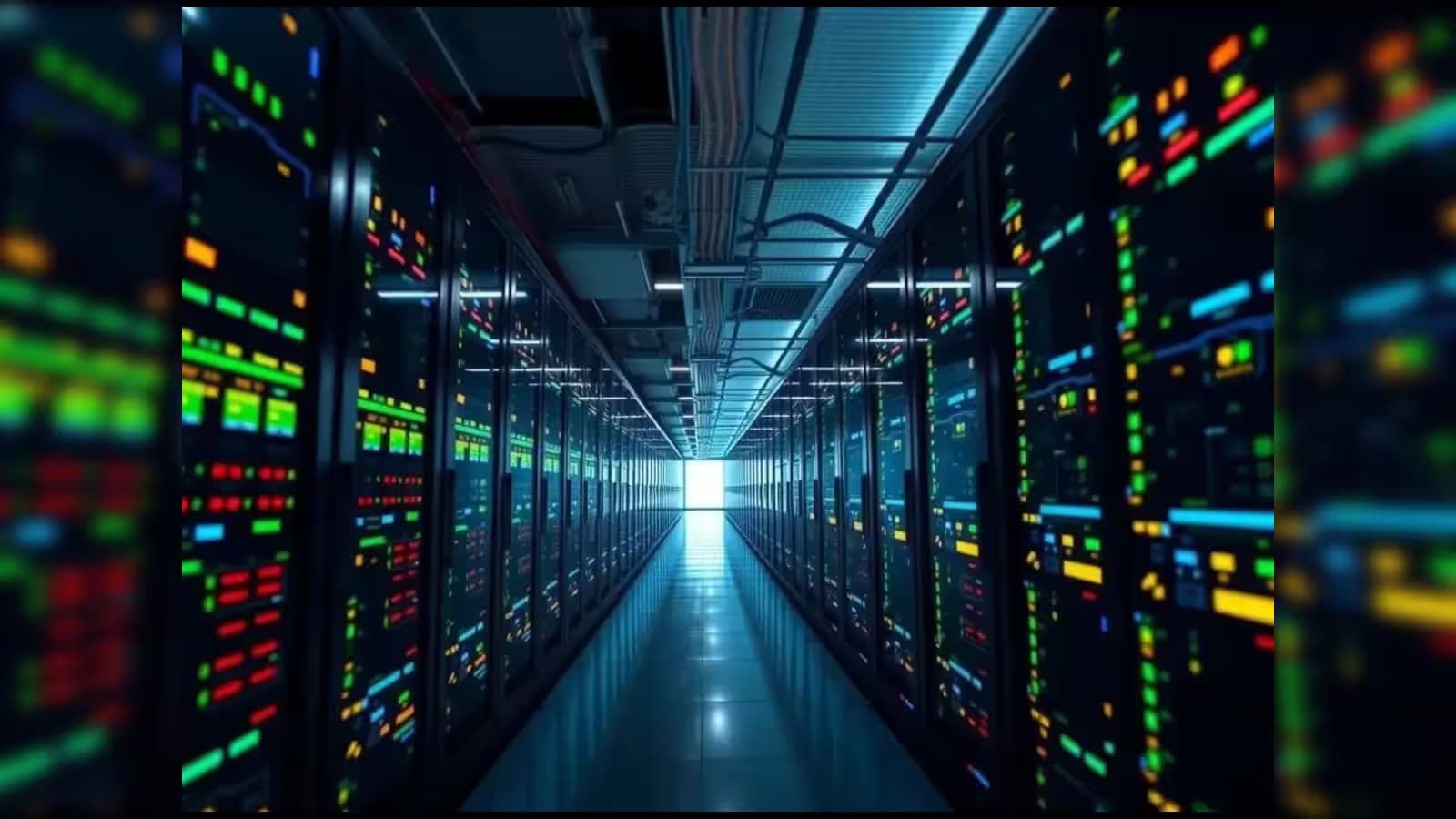
- Data centres support cloud computing, search, streaming, and increasingly, AI applications.
- AI models, such as Claude and ChatGPT, require extensive computing power, with data centres housing GPUs and TPUs for processing.
U.S. Data Centre Market
- 1,500+ data centre projects are currently underway in the U.S., marking it as the dominant global data centre market (Cushman & Wakefield).
- Texas, specifically Dallas, is experiencing significant growth, with 180 existing data centres and 25 under construction, adding approximately 1.34 GW capacity.
- Virginia has over 11 GW of operational data centre capacity (2026).
India's Data Centre Growth
- India’s installed data centre capacity rose from 375 MW (2020) to approximately 1,575 MW (2023).
- Central Electricity Authority forecasts demand could reach nearly 17 GW by 2031-32.
- Google is investing $15 billion in an AI hub in Visakhapatnam, which includes a data centre with an initial capacity of 1 GW.
Legislative and Regulatory Considerations
- Community opposition to data centres has risen; a survey indicated around 75% of Americans oppose new local data centres.
- The Texas government paused new approvals for data centre constructions pending a thorough review of power grid impacts.
Environmental and Economic Implications
- Concerns include increased electricity demand; Irish data centres represented 23% of the nation’s electricity consumption in 2025 (Central Statistics Office, Ireland).
- Data centres can contribute to local economies through job creation and tax revenue, yet residents worry about utility strains.
Hyperscalers and Technological Infrastructure
- Major players in the cloud services market (hyperscalers) include Amazon Web Services, Google, Microsoft, and Alphabet, with their infrastructure supporting global demand.
- Distributed computing allows hyperscalers to manage concurrent data processing across multiple servers.
Cooling Systems and Sustainability Innovations
- New data centre designs incorporate closed-loop cooling systems, which significantly reduce water usage.
- The debate continues regarding the energy and water consumption footprints of these facilities amidst regulatory requirements in the EU for energy performance disclosure.
Community Sentiment and Future Directions
- Local residents express concerns about noise pollution and energy demands from data centres.
- There is an ongoing discussion about balancing technological advancement with community needs, including potential economic benefits versus environmental and social costs.
- Political dynamics indicate that growing scrutiny of data centre developments may influence future construction policies, particularly in states that recently endorsed stronger protective measures.
Conclusion and Future Outlook
- The future of data centres and AI integration remains a focal point for economic and technological infrastructure.
- Considering political trends and community concerns will shape the trajectory of data centre expansion in both the U.S. and India.
- The effective translation of data centre capacity into real economic benefits for local communities will be crucial in addressing potential backlash against these facilities.
Key Terms & Concepts
| Data Centres | Infrastructure for AI computing |
| 1,500 data centre projects | Ongoing U.S. developments |
| Greenhouse Gas Emissions | Impact from construction |
| 11 GW capacity in Virginia | Operational capability projection |
| 1,575 MW data capacity in India | Installed capacity growth |
| $15 billion investment by Google | Investment in AI hub |
| 17 GW power demand by 2031-32 | Forecast for data centres |
| 23% of Ireland's electricity by 2025 | Data centre consumption |
| $220 billion Amazon expenditure | Future data centre investments |
| Dallas-Fort Worth with 180 data centres | Current operational status |
| Governor Greg Abbott's pause | Review of new approvals |
| Heatmap Pro survey | Community opposition data |