iAspirants
Current AffairsPrelims PYQsUPSC CSE SyllabusUPSC CSE StrategyBlogsPricing
Login
iAspirants

Your AI-powered companion for UPSC preparation.

Quick Links

  • Home
  • About Us
  • Current Affairs
  • Prelims PYQs
  • UPSC CSE Syllabus
  • UPSC CSE Strategy
  • Blogs

Company

  • Pricing
  • FAQs
  • Contact Us
  • Login

Legal

  • Privacy Policy
  • Terms & Conditions
  • Return Policy

© 2025 iAspirants, Inc. All rights reserved.

  1. Blogs
  2. Environment and Ecology

Concerns Over Tourism Impact on Elephants

Published on: 17-Oct-2026

Source: The Hindu

Share this post

Concerns Over Tourism Impact on Elephants

Article Summary

Summary of Key Facts and Insights

Environmental Concerns

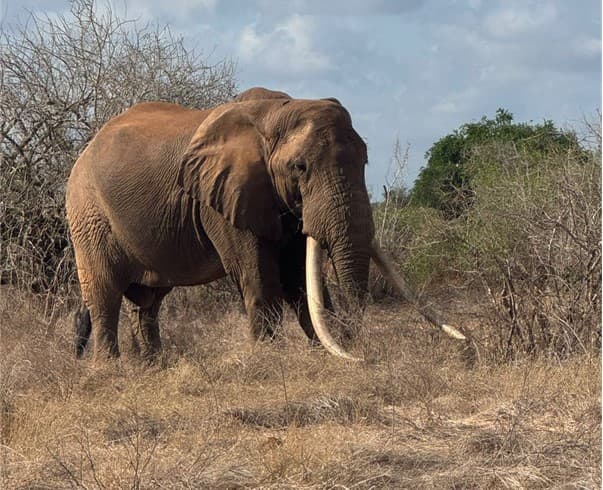
  • Location: Munnar, particularly the grasslands between the Munnar-Top Station road and Mattupetty reservoir.
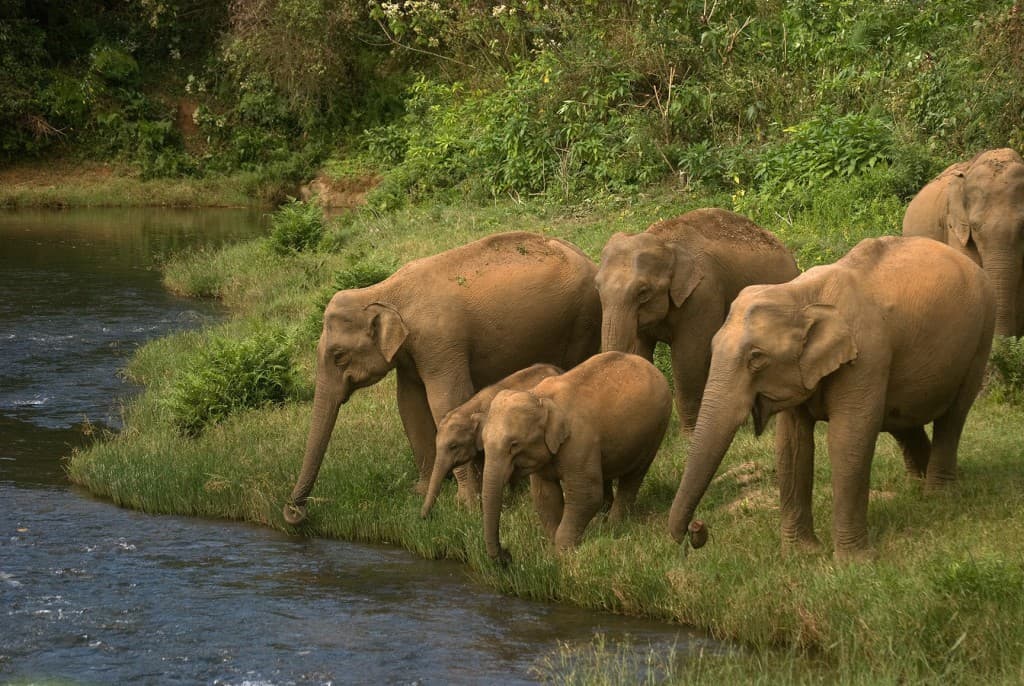
  • Wildlife Impact: The area is frequented by wild elephants, providing essential food and water sources. Up to 10 elephants, including notable tuskers, inhabit this region.
  • Conflict Alert: The potential development of a tourism zone raises concerns about human-elephant conflict, as tourism infrastructure could limit the elephants’ access to natural feeding and watering spots, pushing them toward populated areas.

Government and NGO Reactions

  • Concerns Raised: ANEC Trust, a Kochi-based NGO, has urged the Kerala government to conduct a joint inspection by relevant departments and halt any construction until ecological impacts are assessed.
  • Official Stance: Kerala Livestock Development Board (KLDB) claims the land for tourism development is their property and maintains that responsible tourism will be prioritized without disturbing the topography significantly.

Calls for Assessment

  • Urgent calls for an independent ecological assessment of:
    • Elephant usage patterns.
    • Seasonal movement and feeding availability.
    • Water and habitat connectivity.
    • Overall ecological impact of tourism.
  • The goal is to ensure that any development does not compromise wildlife security or escalate human-wildlife conflicts.

Legislative and Regulatory Aspects

  • Legal Attention: T.S. Santhosh, representing the ANEC Trust, emphasized that protecting elephant habitats is critical for the safety of both wildlife and human communities.
  • Contradictions Noted: The NGO highlighted contradictions in existing policies regarding unauthorized structures on elephant tracks versus current tourism proposals.

Key Statements and Proposals

  • The trust advocates for a coordinated, habitat-sensitive management plan and emphasizes that tourism should not override ecological integrity.
  • Requests have been made for transparent public statements about the project and ongoing assessments of the tourism plans' compatibility with ecological needs.

Conclusion and Recommendations

  • The situation calls for meticulous planning that harmonizes tourism development with wildlife protection to prevent further escalation of human-elephant conflicts. The state and KLDB are urged to meticulously evaluate all tourism-related initiatives to ensure sustainability and ecological balance.

Key Terms & Concepts

MattupettyHabitat for elephants
Kerala Livestock Development BoardManaging grasslands
ANE TrustNGO urging for intervention
Devikulam forest rangeCritical food and water source
KodaikanalConnected elephant passage
KochiLocation of ANEC Trust
October 17, 2026Publication date of article
Ecological assessmentProposed environmental study
Human-elephant conflictEnvironmental risk
Environmental integrityA key concern for planning

Mind Map for UPSC Civil Services Revision

Turn UPSC Civil Services Current Affairs Into Exam-Ready Notes

Reading Environment and Ecology current affairs is half the work. Revise them with ready-made notes and test what actually stuck.

  • Daily UPSC Civil Services current affairs analysis
  • Revision notes, mind maps & MCQs
  • Prelims mock tests with instant results

Related UPSC Civil Services Current Affairs Articles

Gandikota: Heritage and Tourism Development
Environment and Ecology17-Oct-2026

Gandikota: Heritage and Tourism Development

Summary of Key Points on Gandikota

Geographical and Geological Significance

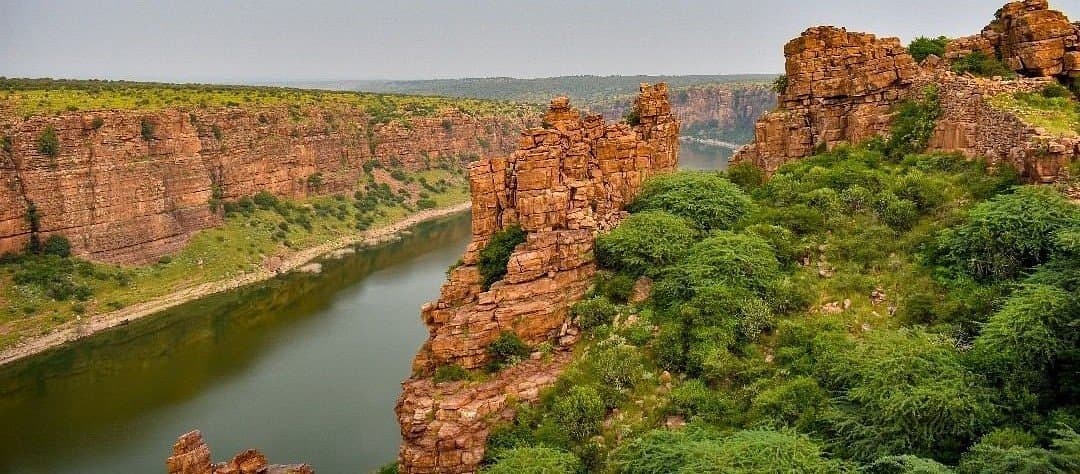
  • Location: Gandikota, Jammalamadugu Mandal, Kadapa District, Andhra Pradesh.
  • Nickname: Known as the "Grand Canyon of India."
  • Formation History: Geological processes have shaped the area over an estimated 1.2 billion years, revealing sedimentation and tectonic shifts.
  • Characteristics: Features approximately 300 feet high cliffs made of red sandstone and quartzite, with the Penna River winding below.
  • Historical Context

    • 12th-Century Fort: Linked to the Kakatiya dynasty and the Vijayanagara Empire, showcasing ancient defensive architecture and temples.

    Tourism Development Initiatives

    • Government Support: The Andhra Pradesh government is developing Gandikota as a tourism hub.
    • Funding: ₹77.91 crore sanctioned under the Union government's tourism development scheme titled “Enriching the Fort and Gorge Experience in Gandikota.”
    • Gandikota Festival: Recently organized to promote local culture and boost economic activities in the region.

    Environmental and Conservation Concerns

    • Potential UNESCO Recognition: There are calls to recognize Gandikota as a UNESCO World Heritage site, which would require focused efforts for geological preservation.
    • Tourism Impacts: Increase in visitors has led to littering and environmental degradation due to poor waste management and construction activities near sensitive zones.
    • Proposed Solutions:
      • Master Planning: Need for a comprehensive plan addressing the balance between tourism and conservation.
      • Sustainability Practices: Implementation of marked trails, building restrictions, controlled camping, and inclusion of trained local guides.

    Recommendations by Experts

    • Dr. P. Ravi Raju (Central Archaeology Department): Advocates a master plan treating the gorge and fort as a cohesive ecosystem.
    • P. Venkataratnam, Real Estate Agent: Emphasizes on marked walking trails, strict zoning laws, and improved public amenities.
    • Community Engagement: Involving local communities in tourism decisions to promote sustainable practices.

    Conclusion

    • Responsible Tourism: Gandikota has potential to become an exemplary model for sustainable tourism, encouraging responsible behavior from visitors and benefitting the local economy.

    Importance of Geological and Historical Heritage

    • Local conservationists argue for deeper appreciation of Gandikota beyond its scenic appeal, seeking to establish it as a valuable educational and ecological site.
    Balancing Wildlife Conservation and Development
    Environment and Ecology16-Oct-2026

    Balancing Wildlife Conservation and Development

    Balancing Wildlife Conservation with Development and Local Livelihoods: Key Insights

    1. Conservation Challenges:

      • Need for sustainable approaches to protect threatened species amidst developmental pressures.
      • Monitoring and addressing the impact of human activities on wildlife habitats and ecosystems.
    2. Inclusive Conservation Strategies:

      • Importance of involving local communities in conservation efforts to ensure their livelihoods are not adversely affected.
      • Implementing conservation policies that respect indigenous rights and knowledge systems.
    3. Scientific Research and Data:

      • Advocacy for robust scientific research to inform conservation strategies.
      • Highlighting the need for data on species population dynamics, habitat conditions, and ecosystem health.
    4. Policy and Legal Framework:

      • References to constitutional obligations under Article 48A and Article 51A(g), which highlight the protection of wildlife and environment.
      • Acknowledgment of various laws such as the Wildlife Protection Act, 1972, and the Forest (Conservation) Act, 1980, that govern wildlife conservation efforts in India.
    5. Government Schemes:

      • Review of existing government initiatives aimed at wildlife conservation, such as the National Wildlife Action Plan (2017), which includes goals for habitat protection and species management.
      • Promotion of eco-sensitive zones and protected areas balancing human development with ecological integrity.
    6. Local Livelihood Integration:

      • Consideration of alternative livelihood models that reduce dependency on wildlife exploitation.
      • Examples of community-based conservation programs that offer sustainable livelihoods, such as ecotourism and sustainable agriculture.
    7. Future Directions:

      • Advocating for interdisciplinary collaboration between scientists, policymakers, and local communities to create effective conservation strategies.
      • Emphasis on innovative technologies and practices in wildlife monitoring and habitat preservation, leveraging advancements in areas like remote sensing and biotechnology.
    8. Economic Indicators:

      • Highlighting the economic potential of biodiversity and the ecological services provided by healthy ecosystems, which contribute to national economic resilience.
    9. International Perspective:

      • Alignment with global conservation goals such as the Aichi Biodiversity Targets and participation in international agreements like the Convention on Biological Diversity (CBD).
      • Critical evaluations of cross-border conservation initiatives to manage migratory species and shared ecosystems.
    10. Conclusion:

    • The urgent need for a balanced approach that recognizes conservation as integral to sustainable development.
    • Ongoing dialogue required among stakeholders to address the multifaceted challenges of wildlife conservation in India while fostering economic growth and social equity.

    These insights distill the critical viewpoints discussed by experts in conservation and highlight the essential need for interdisciplinary approaches in policy formulation for wildlife management in India.

    Elephant Death Due to Anthrax Confirmed
    Environment and Ecology16-Oct-2026

    Elephant Death Due to Anthrax Confirmed

    • Incident Overview: A female elephant was found dead due to anthrax in the Gopanari reserve forest within the Periyanaickenpalayam range of Coimbatore Forest Division.

    • Detection and Confirmation:

      • The carcass was discovered by Forest Department staff during routine patrols on October 13, 2026.
      • A blood smear sample collected from the carcass was sent to the Animal Husbandry Department for analysis, which confirmed the presence of Bacillus anthracis, the causative agent of anthrax.
    • Response Protocol:

      • Following confirmation of anthrax, the carcass was burned without dissection, conforming to health and safety protocols set by the Animal Husbandry Department.
      • Personnel involved in handling the carcass adhered to safety measures, wearing personal protective equipment (PPE).
    • Preventive Actions: Both the Forest and Animal Husbandry Departments have increased surveillance to monitor and prevent further outbreaks of the disease in the region.

    Green Visakha Protests AI Data Centres
    Environment and Ecology16-Oct-2026

    Green Visakha Protests AI Data Centres

    Summary Notes on Green Visakha's Protest Against AI Data Centers in Visakhapatnam

    1. Organizations Involved:

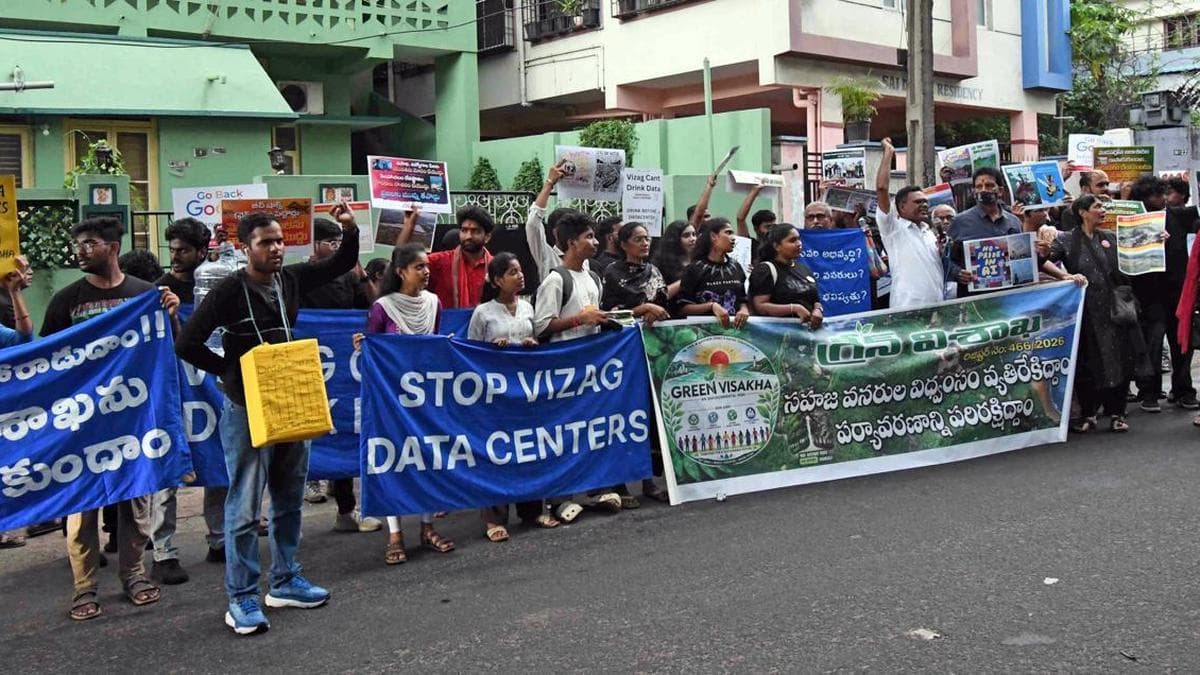
      • Green Visakha: Environmental NGO demanding actions against AI data centers.
      • Participants: Climate Action, Coalition for AI Regulation, Pourachaitanya Vedika, local student organizations.
    2. Key Demands:

      • Cancellation of permissions for AI data centers in Visakhapatnam and Anakapalli districts.
      • Immediate halt to construction at the Tarluvada and Adavivaram sites.
      • A white paper detailing the agreements related to the establishment of AI facilities.
    3. Background:

      • Memorandum of Understanding (MoU) signed on October 14, 2025, between the State government and Google for an AI hub.
      • The MoU involves an investment of $15 billion, with AdaniConneX as a partner.
    4. Concerns Raised:

      • The government failed to adhere to the "Data Centre Evaluation Framework to Help States Plan for Sustainable Growth."
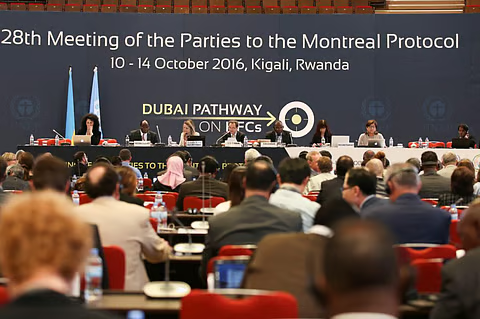
    Kigali Amendment Turns 10 Today
    Environment and Ecology15-Oct-2026

    Kigali Amendment Turns 10 Today

    Kigali Amendment to the Montreal Protocol - Key Facts and Implications

    1. Introduction to Kigali Amendment:

    • Date of Agreement: Adopted on October 15, 2016; entered into force in January 2019.
    • Purpose: Phases down the use of hydrofluorocarbons (HFCs), which are potent greenhouse gases used as refrigerants.
    • Significance: Aims to prevent between 0.3°C to 0.5°C of global warming by 2100, crucial for achieving the Paris Agreement targets of keeping temperature rise below 2°C.

    2. Background of the Montreal Protocol:

    • Initial Agreement: Established in 1987 to phase out ozone-depleting substances (like chlorofluorocarbons, CFCs).
    • Ozone Layer Recovery: Nearly 99% of controlled substances eliminated; the layer is recovering.

    3. Impact of HFCs:

    • Warming Potential: HFCs can have a warming impact hundreds to thousands of times greater than CO2.
    • Rapid Growth in Demand: With increasing global temperatures, demand for cooling solutions is significantly rising, especially in developing countries like India.

    4. India's Responsibilities under Kigali:

    • Ratification Year: India ratified the amendment in 2021.
    • Production Freeze: HFC production and consumption must be capped at an agreed baseline by 2028.
    • Reduction Timeline:
      • 10% reduction by 2032.
      • 85% reduction by 2047.
    • Current Demand: Cooling accounts for over 10% of annual electricity demand, with projections of more than doubling by 2035.

    5. Economic and Environmental Considerations:

    • Efficiency Improvements: Enhancements in cooling efficiency can significantly reduce electricity consumption and emissions.
    • Multilateral Fund: Established in 1991 to assist developing countries in transitioning away from HFCs, it has helped avoid 50 billion tonnes of CO2 emissions by funding technology changes.

    6. Global Participation and Challenges:

    • Current Status: As of October 2026, 175 parties have joined the Kigali Amendment.
    • Next Steps: Focus on refrigerant recovery and safe disposal during appliance servicing and disposal; revitalization of "Friends of the Kigali Amendment" coalition.

    7. Potential for Expansion:

    • Model for Other Pollutants: The success of the Kigali Amendment could inform future agreements to phase down other short-lived climate pollutants (SLCPs) like methane and black carbon, which also significantly impact climate.

    8. Future Directions for Effective Policy:

    • Binding Agreements: There is a proposal for binding international agreements akin to the Montreal Protocol to address methane emissions globally, especially from oil and gas sectors.
    • Sector-Specific Solutions: Various sources of super pollutants would require tailored obligations to effectively reduce emissions and support compliance.

    Conclusion: The Kigali Amendment represents a key international effort to mitigate climate change effects by regulating substances that contribute to global warming. Its success is closely linked to ongoing participation, technological advancements, and cooperative financial mechanisms aimed at supporting developing nations in their transition to more sustainable cooling solutions.

    Health and Safety Context:

    • Anthrax is a zoonotic disease, predominantly affecting herbivorous animals and can also transmit to humans through direct or indirect contact with infected animals or contaminated products.
    • Effective measures and timely responses are crucial for minimizing the impact of such diseases on wildlife and human populations.
  • Relevant Health Protocol: The situation underscores the importance of established protocols for dealing with zoonotic diseases to protect ecosystems and public health, aligning with global health directives on disease management and prevention.

  • This outline presents key factual information relevant to public health, wildlife management, and safety protocols concerning zoonotic diseases.

  • Approvals for data centers were granted without conducting an Environmental Impact Assessment (EIA) and public hearings, rendering them potentially legally invalid.
  • Framework Mentioned:

    • The Data Centre Evaluation Framework released by NITI Aayog on October 15, 2026, described as a decision-support tool adaptable to state priorities without adding layers of regulation.
  • Protests:

    • A rally was organized to mark the anniversary of the MoU, dubbed “Black Day for Vizag,” with around 200 participants marching despite adverse weather.
    • The rally culminated in a street play titled "Datasura Vadhanam," critiquing the negative impacts of data centers and emphasizing the community's struggle against perceived threats to land and water resources.
  • Future Actions:

    • Green Visakha plans to interrogate local body election candidates on their positions regarding the establishment of data centers during upcoming electoral processes.
  • Environmental Context:

    • The protest highlights growing concerns about sustainable development and the ecological impact of large-scale infrastructure projects, particularly data centers, which often consume significant resources and can pose risks to local environments.
  • Legal and Policy Framework:

    • References to legal validity of approvals highlight existing regulations regarding environmental assessments in construction projects, particularly those with potential ecological impacts.
  • Broader Implications:

    • The situation reflects a larger movement advocating for responsible tech development and the need for transparency in government agreements with multinational corporations concerning local resources.
  • This summary encapsulates critical information relevant for examinations related to governance, environmental policy, and community activism in the context of development projects.