iAspirants
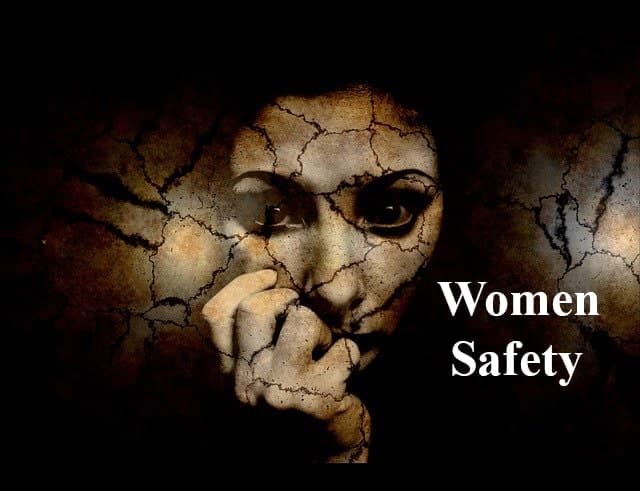
Concerns Over Women's Safety in India
Published on:
Source: The Hindu
Share this post
Article Summary
Summary of Key Points
1. Women's Safety and Constitutional Provisions:
- Ongoing incidents of assault and molestation of women and minor girls in India raise significant concerns about gender safety.
- Constitutional relevance: Article 14 (Right to Equality) and Article 21 (Right to Life and Personal Liberty) highlight the state’s duty to ensure safety and security for all citizens, particularly vulnerable groups like women and minors.
- The Supreme Court’s suo motu cognizance of these cases indicates the judiciary's active role in addressing women's safety.
2. Suggestions for Improvement:
- Proposals for establishing a dedicated women’s safety police force with a significant representation of women officers were emphasized.
- Recommendations for infrastructure improvements: enhancing public lighting, increasing patrolling, and ensuring functionality of CCTV systems to improve safety measures.
3. Food Security and Waste Management:
- India faces significant food loss due to inadequate storage and transportation, with estimates suggesting losses are worth several crores annually.
- The call for a national mission to conserve food highlights the need to mitigate waste and maximize resource utilization to ensure food security.
4. Impact of Climate Change:
- Acknowledgment of the impact of climate change on food sustainability necessitates sustainable practices concerning water and soil management.
Relevant Statistics and Data
- Food waste in India reportedly matches the volume needed to feed the entire population, emphasizing a critical inefficiency in food distribution and management.
Judicial and Legislative Context
- The Supreme Court has intervened to address issues related to women’s safety, representing a significant judicial response to a pressing social concern.
Government Initiatives
- The discussion of a national mission for food conservation proposes a coordinated national effort towards sustainable practices in agriculture and food management.
Historical and Cultural Context
- Emphasizes the contrast between India's rich cultural heritage and the current societal challenges, particularly regarding gender-based violence and public safety.
Call to Action
- The need for immediate action to improve the safety of women in public spaces, calling for stakeholders to move from verbal commitments to tangible preventive measures.
Overall Significance: These issues reflect broader societal challenges and underline the intersections of law, social policy, and cultural attitudes in India. Addressing these concerns is critical not only for improving women's safety but also for reinforcing the country’s commitment to upholding democratic values and human rights.
Key Terms & Concepts
| Supreme Court | Judicial intervention on women's safety |
| National Capital Region | Location of assault incidents |
| Government schemes | Proposed women’s safety initiatives |
| Poor lighting | Safety risk factor |
| CCTV coverage | Need for improved surveillance |
| Food waste | Economic loss issue |
| Climate change | Factor affecting food security |