iAspirants
Current AffairsPrelims PYQsUPSC CSE SyllabusUPSC CSE StrategyBlogsPricing
Login
iAspirants

Your AI-powered companion for UPSC preparation.

Quick Links

  • Home
  • About Us
  • Current Affairs
  • Prelims PYQs
  • UPSC CSE Syllabus
  • UPSC CSE Strategy
  • Blogs

Company

  • Pricing
  • FAQs
  • Contact Us
  • Login

Legal

  • Privacy Policy
  • Terms & Conditions
  • Return Policy

© 2025 iAspirants, Inc. All rights reserved.

  1. Blogs
  2. Polity and Governance

Conscience in Public Service Ethics

Published on: 28-Sep-2026

Source: Indian Express

Share this post

Conscience in Public Service Ethics

Article Summary

Summary of Key Points

  1. Constitutional Obligations of Public Servants:

    • Public servants in India are bound by an oath to “allegiance to the Constitution of India” involving conscientious duty without fear or favoritism.
    • This includes the oath of secrecy regarding confidential information unless required for duty.
  2. Conflict Between Oath and Conscience:

    • Dilemmas occur when the oath and the public interest conflict. Notably, civil servants face moral dilemmas that challenge their ethical commitment.
  3. Judicial Precedent:

    • Case of Clive Ponting: A UK civil servant who leaked official documents to expose government misinformation. He was initially punished for violating secrecy, but a jury found he acted in adherence to constitutional mandates, highlighting a civil servant's obligation to the public interest over strict compliance with secrecy laws.
  4. Public Interest vs. Legal Compliance:

    • The need for ethical conduct arises not only from illegal actions but also from legal actions that go against the spirit of the law and long-term public interest for short-term personal or political gains.
  5. Changing Ethos in Public Life:

    • Historical shift from celebrating honesty in public service to isolating those who pursue integrity.
    • Current governmental pressures prioritize political alignment over independent judgment among civil servants.
    • “Alignment in thinking” is emphasized, often at the expense of free expression in reporting facts.
  6. Public Accountability and Performance Appraisal:

    • The performance appraisal system for civil servants has shifted focus, making it more difficult for independent thinkers to thrive. There’s a concern regarding standards that favor conformity and suppress dissent.
  7. Moral Lessons and Real-life Examples:

    • The story of Iván Fernández, who allowed Abel Mutai to win the race despite his mistake, illustrates the power of conscience and ethical considerations surpassing competitive instincts.
    • Emphasizes that serving the public interest may require acting courageously against prevailing sentiments or expected norms.
  8. Call for Conscience-Driven Governance:

    • Reiterate the need for public servants to prioritize the interests of the vulnerable and act in fear of their conscience.
    • The goal is to refocus on ethical conduct as a fundamental responsibility of public service.
  9. Philosophical Insight:

    • Quoting Urdu poet Krishan Behari ‘Noor’, the emotional and moral turbulence faced in ethical dilemmas speaks to the innate conscience of individuals in public service, urging a resurgence of integrity over obedience.

This summary encapsulates the interplay between constitutional duties, ethical conduct, and the challenges faced by public servants in prioritizing the public good amid political pressures and changing societal attitudes.

Key Terms & Concepts

Election Commission of IndiaRegulator of electoral processes
Constitution of IndiaFoundation of public servants' oath
Clive PontingLeaked information during conflict
February 11, 1985Date of jury's verdict overturn
Falklands WarConflict referenced for ethical dilemma
Abel MutaiOlympic athlete example of conscience
Iván FernándezActed against competitive advantage
360-degree systemEvaluation method for civil servants

Mind Map for UPSC Civil Services Revision

Turn UPSC Civil Services Current Affairs Into Exam-Ready Notes

Reading Polity and Governance current affairs is half the work. Revise them with ready-made notes and test what actually stuck.

  • Daily UPSC Civil Services current affairs analysis
  • Revision notes, mind maps & MCQs
  • Prelims mock tests with instant results

Related UPSC Civil Services Current Affairs Articles

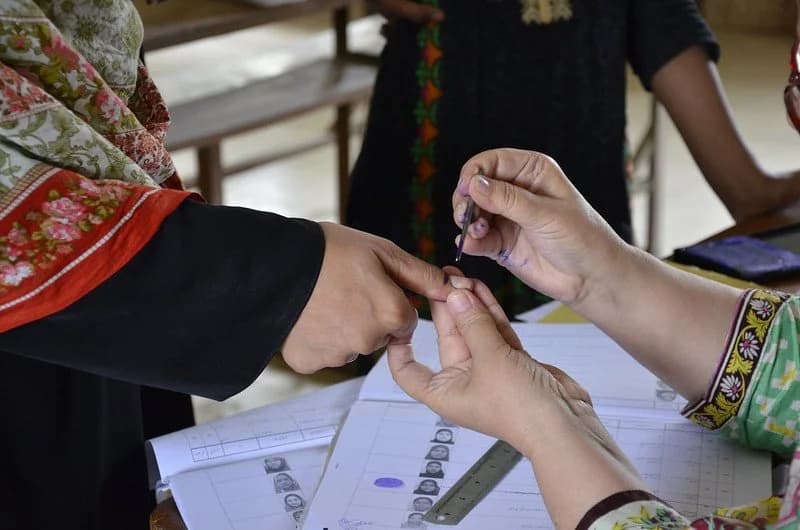
Concerns Rise Over Voter Deletions
Polity and Governance28-Sep-2026

Concerns Rise Over Voter Deletions

Key Summary Notes on Voter Registration and Electoral Roll Issues in India

Constitutional References:

  • Right to Vote: The right to vote is fundamental to Indian democracy, underlined by various articles in the Constitution, including Article 326, which provides for the elections to the Lok Sabha and State Legislative Assemblies to be on the basis of universal adult suffrage.

Electoral Commission Allegations:

  • An explosive report indicates that two Election Commissioners raised formal objections at least 14 times over 10 months against Chief Election Commissioner Gyanesh Kumar, highlighting concerns about unauthorized changes to voter registration processes.
  • The elections are currently under a Special Intensive Revision (SIR), which led to more than 54.6% of Delhi's existing voters being flagged for deletion or verification, cuing significant democracy concerns.

Voter Data Statistics:

  • In total, Delhi has 1.45 crore registered voters; over 80 lakh are currently under scrutiny by the Election Commission of India (ECI).
  • Notable deletions include 47.5 lakh marked for being Absent, Shifted, Dead, or Duplicate, while 33.13 lakh face operational errors.
  • National estimates suggest a potential loss of 12 to 13 crore voters across the country, with states such as Maharashtra projected to lose 2 crore voters by the exercise's end.

Judicial and Administrative Concerns:

  • The Supreme Court has upheld the legality of the SIR, but former election officials have questioned its fairness and potential voter disenfranchisement.
  • Flawed internal databases of the ECI have resulted in incorrect flagging of legitimate voters due to clerical errors, impacting their right to vote and eligibility for essential services.

Government Schemes & Electoral Integrity:

  • Existing schemes that rely on valid voter registration are at risk as the SIR process yields erroneous deletions, affecting essential benefits for individuals who are legitimate voters.

Reports from Other States:

  • West Bengal: Discrepancies led to 27 lakh voters flagged for review, with 91% of appeals revealing wrongful deletions.
  • In Bihar, Kerala, and Tamil Nadu, revisions were executed right before major elections, heightening disenfranchisement risks.

Administrative Processes:

  • Concerns have been raised regarding the delegation of quasi-judicial powers to Booth Level Officers (often teachers) who verify citizenship, potentially leading to arbitrary disenfranchisement.
  • The process has raised doubts about the integrity of electoral rolls as the adult population has increased, yet the number of registered voters is contracted.

Implications for Democracy:

  • Analysts suggest that these practices could reduce the national electorate to 88 crore, disenfranchising around 15 crore citizens, which contradicts demographic growth trends.
  • This administration-driven purging of voters risks undermining democratic integrity and public faith in electoral processes.

Conclusion:

It is critical that the ECI re-evaluates the SIR process to uphold the credibility of electoral rolls, ensuring that stakeholder rights are protected and democracy is preserved. The administrative actions and their timing raise fundamental questions about the electoral system's integrity and need reform or reconsideration to avoid disenfranchisement of legitimate voters.

Credibility Crisis of Election Commission
Polity and Governance28-Sep-2026

Credibility Crisis of Election Commission

Summary of Key Facts and Issues Regarding the Election Commission of India (ECI):

  1. Constitutional Body Functionality:

    • The ECI is expected to function independently, in accordance with constitutional mandates, similar to the tenure of T.N. Seshan.
    • The current perception is that ECI has become susceptible to political pressures, which undermines its constitutional role.
  2. Allegations of Compromised Integrity:

    • Serious allegations are being raised regarding the credibility and independence of the ECI, as evidenced by dissent from two Election Commissioners regarding the electoral-roll revision process.
    • Concerns center around the handling of the Electoral Roll Online Network (ERONet), modifications to Form 6, and the exclusion of eligible voters.
  3. Dissent and Accountability:

    • The dissent from the Election Commissioners indicates internal disagreements on the electoral processes, highlighting potential accountability issues within the ECI itself.
    • Critics argue that dissent without subsequent action does not fulfill the responsibility of constitutional officials to safeguard electoral integrity.
  4. Issues with Electoral Rolls:

    • There are reported cases of unilateral decisions leading to the mishandling of electoral rolls, which poses a significant threat to democratic processes.
    • The reference to "14 instances of objections" suggests systemic flaws in the management of electoral data.
  5. Public Response and Criticism:

    • Public sentiment shows distrust in the ECI’s ability to uphold its responsibilities, with demands for greater transparency and adherence to constitutional directives.
    • There is a recognition of potential underlying conspiracies aimed at manipulating electoral outcomes, which must be investigated and addressed appropriately.
  6. Judicial Oversight:

    • If constitutional institutions are found to be compromised, legal repercussions should follow to restore public trust in the electoral system.
    • The integrity of the electoral framework is seen as vital for maintaining democracy, and judicial scrutiny may be needed to refine the processes involved.

Conclusion: The current situation calls for immediate reforms and reinforced independence of the ECI to ensure fair and transparent electoral processes, adhering strongly to constitutional provisions and public expectations.

Digital News Publishers' Code of Ethics
Polity and Governance28-Sep-2026

Digital News Publishers' Code of Ethics

Digital News Publishers Association: Code of Ethics Overview

Constitutional References

  • Article 19(1)(a): Right to freedom of speech and expression, ensuring independence in the gathering and dissemination of news.

Key Legal Frameworks

  • Information Technology Act, 2000: Governs aspects of digital content and sets penalties for various infractions.
  • Provisions related to media operations from Indian Penal Code (IPC) and Code of Criminal Procedure (CrPC).
  • Information Technology (Intermediary Guidelines) Rules, 2011: Outlines responsibilities for online intermediaries.

Ethical Standards and Practices

  • Digital news publishers are committed to adhering to laws related to media operation and maintaining high journalistic standards.
  • Accuracy, transparency, and fairness are essential, necessitating pre-publication verification to prevent dissemination of misinformation.
  • Grievance redressal mechanisms must be in place; complaints to be addressed within one month.

Responsibilities in Reporting

  1. Right of Reply: Inclusion of responses or comments from parties involved in news articles.
  2. Correction Policies: Mandatory editing or deletion of false or inaccurate information upon verified request from affected parties.
  3. Intellectual Property Rights: Respect for copyrights, with proper permissions and acknowledgments for content use.
  4. Sensitive Reporting: Enhanced caution in cases involving minors or sensitive subjects like child abuse, sexual harassment, and communal disputes.
  5. Privacy Respect: Care in the coverage of individuals' identities, especially in sensitive or judicial matters.

Specialized Reporting Guidelines

  • Reporting on crime should maintain a presumption of innocence and be based on verified facts.
  • Extra caution required in reporting on situations involving victims of crimes, particularly minors.
  • Training sessions are mandated to keep editorial staff knowledgeable about applicable laws and ethical standards, including:
    • Indecent Representation of Women (Prohibition) Act
    • Right to Information Act
    • Provisions relevant to juvenile justice and the Protection of Children from Sexual Offences (POCSO)

Grievance Mechanism

  • Each member must appoint a grievance officer, respond to grievances within 36 hours, and resolve complaints within one month.

Training and Awareness Initiatives

  • Regular programs aimed at ensuring editorial staff are up-to-date with legal obligations and ethical considerations surrounding the reporting of sensitive issues.
  • Focus on the importance of communal harmony, factual verification, and avoidance of sensationalism in reporting.

Conclusion

The Code of Ethics formulated by the Digital News Publishers Association serves as a comprehensive framework ensuring responsible digital publishing, upholding constitutional rights, and maintaining ethical journalism standards across various digital platforms.

Concerns Over Voter Deletions in India
Polity and Governance27-Sep-2026

Concerns Over Voter Deletions in India

Electoral Roll Purge and Concerns in India

Background

  • The Chief Election Commissioner (CEC) Gyanesh Kumar faces allegations over unilateral changes to voter registration processes, raising alarms about administrative overreach in the electoral system.
  • An investigative report exposes objections from two Election Commissioners regarding alterations to new voter registration forms and mass deletions during the Special Intensive Revision (SIR) exercise.

Key Figures and Data

  • Delhi Voter Stats:

    • 54.6% of voters in Delhi (approx. 80 lakh) are currently under scrutiny by the Election Commission of India (ECI).
    • Out of 1.45 crore registered voters:
      • 47.5 lakh marked for deletion (Absent, Shifted, Dead, Duplicate).
      • 33.13 lakh flagged for errors, including:
        • 19.33 lakh marked for "logical discrepancies".
        • 13.80 lakh unmapped against 2002 electoral rolls.
    • Over 31.6 lakh notices generated by mid-September.
  • National Impact:

    • An estimated contraction of the national electorate to about 88 crore, risking disenfranchisement of about 15 crore citizens.
    • States like Maharashtra may lose up to 2 crore voters; Delhi estimates a shrinkage of 35.89%.

Constitutional and Legal Framework

  • Supreme Court's Stance: The Supreme Court has upheld the legality of the SIR exercise, although criticisms emerge regarding its fairness.
  • Concerns on Governance: Ex-CEC S Y Quraishi highlights issues in using 2002 electoral rolls as a baseline, citing inaccuracies in historical data.
  • Delegation Concerns: Booth Level Officers (mostly teachers) are tasked with gatekeeping voter eligibility, raising questions about accountability and accuracy.

Administrative Anomalies and Judicial Insights

  • Erroneous Deletions: Evidence from RTI disclosures indicates that 91% of flagged voters in West Bengal were found to have been wrongly deleted.
  • Regulatory Gaps: Numerous irregularities due to flawed ECI databases, including clerical errors causing 'logical discrepancies'.

Electoral Process Implications

  • Highlighted discrepancies are putting the credibility of the electoral process at risk, with legitimate voters facing administrative chaos.
  • The timing of the SIR exercise is suspect, running right before major elections in several states, complicating citizens' ability to rectify their registrations.

Calls to Action

  • Critics are urging a reconsideration of the SIR process to safeguard electoral integrity and address disenfranchisement.
  • Objective and fair management of electoral rolls is deemed essential for the health of India's democracy.

Conclusion

The ongoing scrutiny and significant voter roll purges present pressing challenges to democratic norms in India. Ensuring the right to vote, as enshrined in the Constitution, must be balanced against valid administrative needs without disenfranchising citizens. Reforms and oversight in the electoral process are critical to uphold democratic principles.

Inauguration of Victim Rights Centre
Polity and Governance27-Sep-2026

Inauguration of Victim Rights Centre

Summary of Initiatives for Victim Rights in Bihar

Key Initiatives:

  1. Victim Rights Centre (VRC):

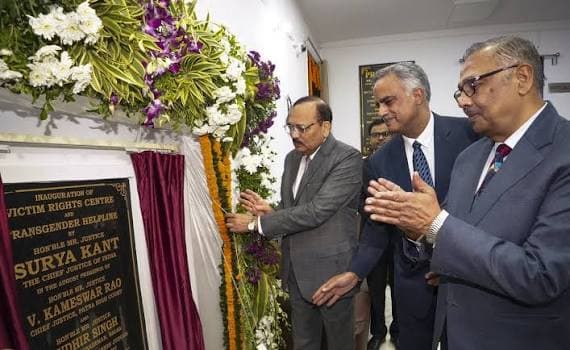
    • Inauguration: First VRC in Bihar, inaugurated by Chief Justice of India (CJI) Surya Kant on September 26, 2026.
    • Purpose: Acts as a single window mechanism to assist victims of crimes, facilitating access to justice and support services like compensation, legal assistance, medical help, counselling, protection, and rehabilitation.
  2. Transgender Helpline:

    • A helpline specifically launched for the transgender community to overcome barriers they face in accessing justice before legal cases are formalized.
  3. Multi-Utility Vehicles:

    • Launch: Nine vehicles introduced to provide legal awareness, documentation support, and assistance in remote villages and settlements, enhancing outreach capabilities of the legal system.
  4. Book Release:

Election Commission Independence Challenges
Polity and Governance26-Sep-2026

Election Commission Independence Challenges

  • Constitutional Context

    • Article 324(2): Allows Parliament to regulate the appointment of the Election Commission of India (ECI), but no law was made for 70 years.
    • Basic Structure Doctrine: Free and fair elections are critical for democracy and are protected under this doctrine.
  • Judicial Developments

    • Mohinder Singh Gill Case (1978): Established principles regarding the independence of the Election Commission.
    • Anoop Baranwal Case (2023): Introduced an interim arrangement for the appointment of Election Commissioners, involving the Prime Minister, Leader of the Opposition, and Chief Justice of India (CJI).
    • Supreme Court's two-judge bench referred petitions against the 2023 law to the Chief Justice for a Constitution Bench due to differing opinions on its constitutionality.
    • Upcoming hearing on the legislation aims to address concerns about executive influence over ECI appointments.
  • Supreme Court Opinions

    • Justice Datta emphasized that an Election Commissioner must not be beholden to the executive and that appointments must be perceived as independent.
    • Judicial reasoning distinguished between application and interpretation of constitutional principles, suggesting that existing principles should guide future appointments.
    • Notably, Justice Sharma acknowledged that the law’s implications on free and fair elections warrant independent examination.
  • Statutory References

    • Chief Election Commissioner and other Election Commissioners (Appointment, Conditions of Service and Term of Office) Act, 2023: This Act, criticized for lacking a neutral selector, replaced the CJI in the selection process with a cabinet minister nominated by the PM.
  • Arguments Presented

    • Allegations that the selection committee's current make-up risks compromising the ECI's independence.
    • Advocates argue for a requirement of unanimous decisions by the selection committee to ensure both government and opposition's agreement on appointments.
    • Concerns raised over potential conflicts of interest, especially with the executive being a participant in the electoral process.
  • Comparative References

    • Comparison made to the National Judicial Appointments Commission (NJAC) case, where the independence of the judiciary was at stake, highlighting the need for a balance of power to protect institutional independence.
  • Judicial Principles

    • Emphasis on the necessity for the ECI not only to be independent but also to appear independent to uphold democratic integrity.
    • Justice Datta articulated that even the perception of bias in appointments could undermine democracy.
  • Policy Implications

    • The need for a legislative framework that ensures robust checks against executive overreach in the appointment of election officials.
    • Call for reforms aimed at solidifying the role of the ECI by eliminating any perceptions that it could lean towards the ruling party.

This summary provides a structurally organized understanding of the recent legal developments concerning the independence of the ECI, pertinent constitutional articles, and dialogues within the judiciary surrounding the integrity of democratic processes in India.

  • A publication concerning the operations and significance of the VRC was launched during the ceremony.
  • Judicial Perspectives:

    • CJI Surya Kant's Remarks:

      • Emphasized the need for justice to reach vulnerable populations without requiring them to navigate complex legal systems.
      • Highlighted that existing entitlements scattered across various statutes should be simplified for easy access by victims.
    • Justice V. Kameshwar Rao:

      • Recognized the VRC as a vital step in making justice more accessible for crime victims.
      • Urged that discussions on criminal justice should include the concerns of victims alongside state and accused perspectives.
    • Justice Sudhir Singh's Emphasis:

      • Stressed that success hinges on how sensitively individuals entering the justice system are treated, advocating that justice is meaningful only when it reaches those in dire need.

    Constitutional and Legal Framework:

    • Articles and Rights:
      • While specific constitutional articles were not mentioned in the text, the initiatives align with the principles of access to justice enshrined in the Indian Constitution, particularly under Article 14 (Right to Equality) and Article 21 (Right to Life and Personal Liberty).

    Broader Impact and Goals:

    • The initiatives aim to ensure that justice and support mechanisms are not merely available but actively reach marginalized and vulnerable populations.
    • The success metrics for these initiatives will include real-time responses to victims, effective delivery of entitlements, and overall improvement in accessibility of the justice system.

    Conclusion:

    These initiatives represent a substantial shift towards making the justice system more inclusive and responsive to the needs of victims in Bihar, with an underlying principle that "justice must find its way to the citizen." The focus on outreach, awareness, and sensitivity could mark a significant improvement in the interaction between legal institutions and the communities they serve.