iAspirants
Conservation Efforts for Mountain Gorillas
Published on:
Share this post
Article Summary
Summary of Key Points on Mountain Gorillas and Conservation in Uganda
Background on Mountain Gorillas
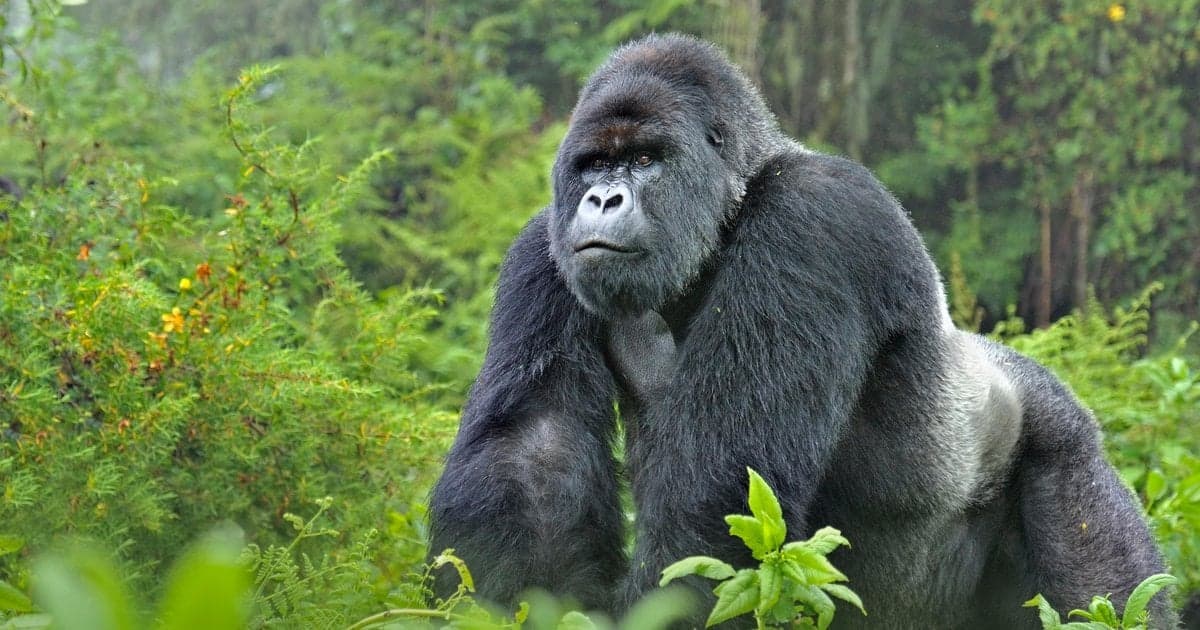
- Species: Mountain gorillas (Gorilla beringei beringei) are confined to Central Africa, primarily in Uganda's Bwindi and Virunga parks, with an estimated population of around 1,000 individuals.
- Habitat: They inhabit montane forests at elevations ranging from 2,200 to 4,300 meters.
Conservation Challenges
- Political instabilities in Uganda since independence in 1962 have led to severe habitat loss and poaching.
- Example: Elephant populations in Uganda decreased drastically, with numbers reported as low as 1,200 in the 1980s due to poaching.
- The gorilla population dropped from 400-500 in 1960 to between 260-290 during Idi Amin’s regime.
Gladys Kalema-Zikusoka: A Pioneer in Conservation
- Background: First wildlife veterinarian in Uganda, faced significant male-dominated field challenges.
- Impactful Organization: Founded Conservation Through Public Health (CTPH), utilizing a One Health model to integrate public health and wildlife conservation.
- Awards: Recipient of the UN Environment Programme's Champion of the Earth Award, Whitley Award, and Rolex Award for her contributions to conservation.
Conservation Strategies and Success
- Implemented community health and economic initiatives to reduce human-wildlife conflict and disease transmission.
- Since the establishment of CTPH, there has been a notable reduction in disease transmission and enhanced local support for conservation efforts.
- Gorilla tourism has become integral to Uganda’s economy, similar to India's tiger tourism, providing alternative livelihoods to local communities.
Educational and Cultural Contributions
- Promotes mentorship among women in conservation; recognized the disparity in conservation leadership opportunities for women in Uganda compared to India.
Future of Conservation: Technological Integration
- Expressed potential for artificial intelligence (AI) and robotics to enhance conservation efforts, emphasizing the necessity of respecting animal intelligence.
Historical Context
- Political Turmoil: Significant historical events under regimes of Milton Obote and Idi Amin disrupted wildlife conservation efforts, leading to catastrophic losses in animal populations.
- Cultural Reflection: Dr. Kalema-Zikusoka’s experiences illustrate the interplay between conservation and personal history against the backdrop of Uganda's political landscape.
Constitutional and Policy Insights
- The situation highlights the challenges and dynamics of conservation within a postcolonial democracy, reflecting a need for governance structures that protect wildlife while addressing community needs.
Conclusion
Dr. Kalema-Zikusoka's contributions and visions symbolize the evolution of conservation strategies in Uganda, emphasizing that successful wildlife protection must intertwine with human development and community involvement for sustainable coexistence. The future of conservation may hinge on balanced approaches integrating technology with community-focused efforts and ecological understanding.
Key Terms & Concepts
| Gorilla beringei beringei | Mountain gorilla species |
| Bwindi and Virunga parks | Mountain gorilla habitats |
| Conservation Through Public Health (CTPH) | Conservation organization |
| Whitley and Rolex Awards | Conservation awards |
| UN Environment Programme’s Champion of the Earth Award | Conservation achievement |
| Gorilla tourism | Economic recovery source |
| 1980 elephant population | Population decline evidence |
| Ivory prices | Economic impact factor |
| Human-wildlife conflict | Conservation challenge |
| Artificial intelligence and robotics | Future conservation tools |