iAspirants
Conservation Efforts for Western Tragopan
Published on:
Share this post
Article Summary
Exam-Focused Notes on the Western Tragopan Conservation
Species Overview
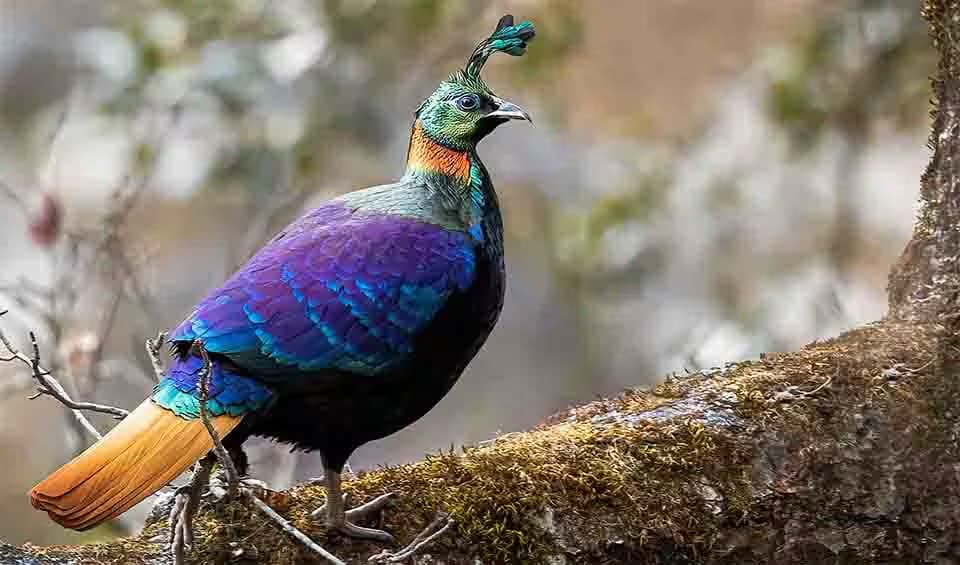
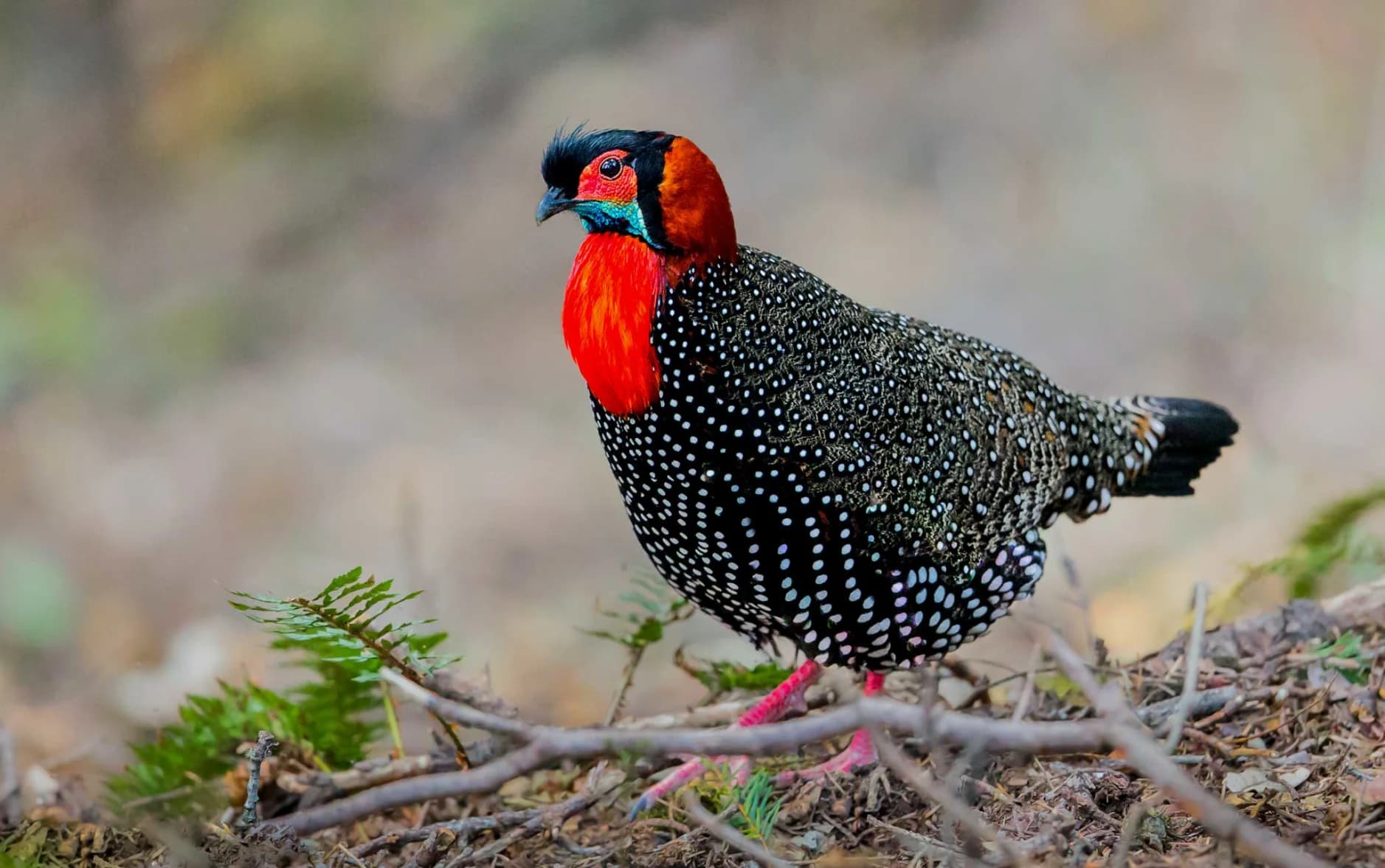
- Common Name: Western Tragopan
- Scientific Name: Tragopan melanocephalus
- Status: Rare; State Bird of Himachal Pradesh, India.
- Population Estimate: 3,000 - 9,500 mature individuals.
- Geographical Distribution: Mainly found in fragmented habitats across Jammu & Kashmir, Himachal Pradesh, and Uttarakhand.
Habitat and Threats
- Endangered due to habitat fragmentation and human disturbance.
- Studies show suitable habitats exist, but conservation efforts are needed to mitigate human impact.
- Significant population resides in the western Himalayas and northern Pakistan.
Conservation Efforts
Captive Breeding Initiatives:
- First successful captivity births reported in 1993 (captive breeding).
- Himachal Pradesh Forest Department achieved world’s first successful captive breeding programme in 2005.
- From 2007 to 2015, 43 individuals recorded in captivity; survival rates fluctuated due to skewed sex ratios and mortality.
Current Captive Population: Around 46 western tragopans at Sarahan Pheasantry.
Chick Survival Rates: 4 to 6 chicks survive annually from 6 to 8 eggs hatching.
Breeding Management:
- Protocols developed to manage conditions affecting captive bred individuals.
- Habitats recreated to closely resemble natural environments.
Judicial & Policy Recommendations
- Ex-situ (captive breeding) conservation must complement in-situ (natural habitat protection) efforts.
- Need for effective habitat protection as primary conservation focus.
Research & Observations
- Captive tragopans sensitive to environmental stress; require natural habitat conditions for successful breeding.
- Climate variability and the disruption of natural food resources pose new threats to species synchronization between breeding and food availability.
Reintroduction Challenges
- Released individuals monitored through radio collars; initial survival of reintroduced birds promising (one survived for nearly a year).
- Reintroduction initiatives currently on hold since 2023 due to budget constraints from state government.
Community Involvement
- Local stewardship and community-based tourism are pivotal for the conservation of the tragopan, providing alternative income sources that reduce reliance on forest resources, thus supporting breeding habitats.
Conclusion
- Long-term commitment required for both captive breeding and reintroduction programs to stabilize and eventually increase populations of the western tragopan.
- Importance of integrating community incentives into conservation strategies to ensure the survival of this rare species within its natural habitat.
Key Takeaways
- Emphasize a combined approach of ex-situ and in-situ conservation efforts.
- Recognize climate change impacts on species survival and breeding synchronization.
- Highlight the role of community-driven initiatives in wildlife protection and habitat conservation.
Key Terms & Concepts
| Western tragopan (Tragopan melanocephalus) | Rare pheasant species in India |
| Himachal Pradesh | Location of the state bird |
| International Union for the Conservation of Nature (IUCN) | Conservation organization estimating populations |
| Great Himalayan National Park | Habitat for western tragopan |
| Sarahan Pheasantry | Location for captive breeding program |
| Captive breeding programme | Method for species preservation |
| Genetic diversity | Important for species survival |
| Ex-situ conservation | Breeding outside natural habitat |
| In-situ conservation | Importance for habitat protection |
| Climate variability | Threat to tragopan breeding |
| Reintroduction efforts | Return captive birds to wild |
| Community-based tourism |