iAspirants
Conservation Status of Jungle Cats
Published on:
Share this post
Article Summary
Summary of Facts, Data, and Policies on Jungle Cats in India
Habitat and Distribution:
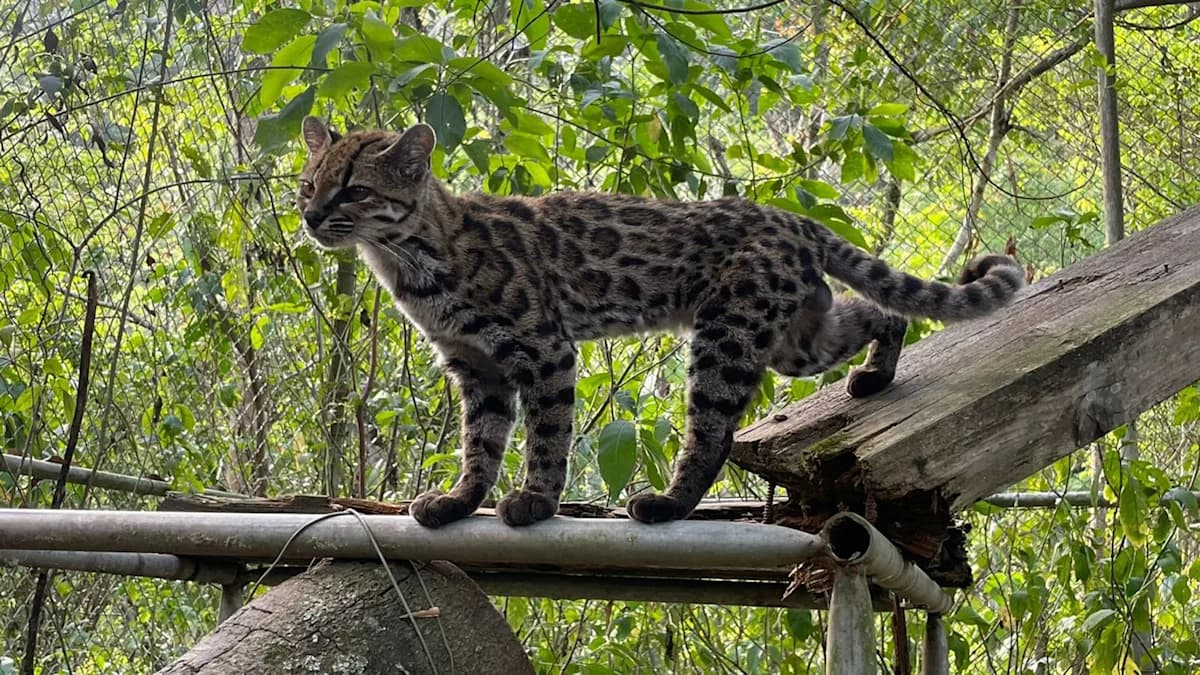
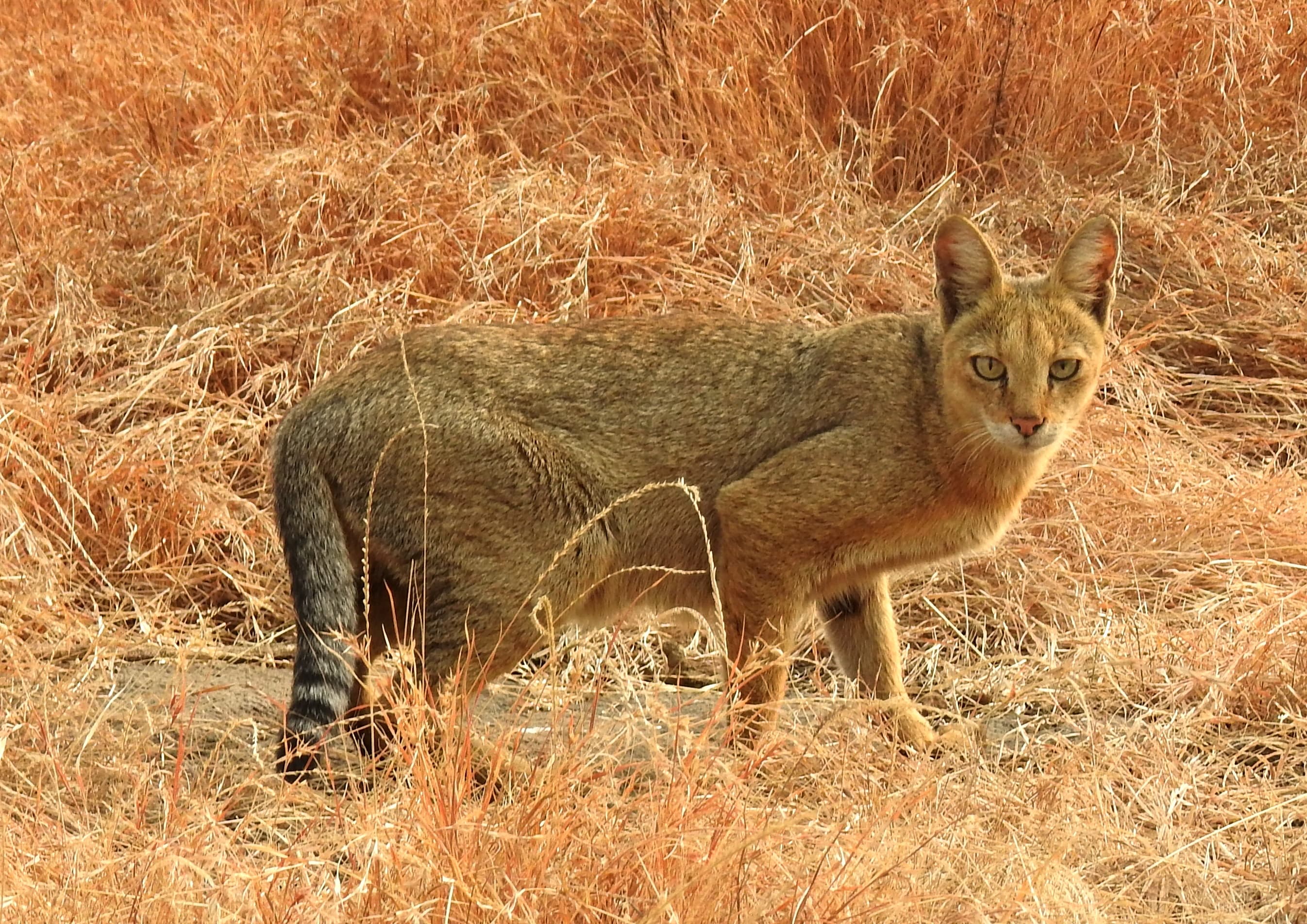
- Jungle cats (Felis chaus) inhabit diverse ecosystems across Asia, including grasslands, wetlands, deserts, and agro-pastoral lands, with significant populations in India and Nepal.
- They prefer warm, semi-arid regions, avoiding dense forests and urbanized landscapes.
Conservation Status:
- The International Union for Conservation of Nature (IUCN) lists jungle cats as ‘least concern’, but their populations are declining.
- In India, jungle cats are protected under Schedule II of the Indian Wildlife (Protection) Act, 1972, prohibiting hunting and trade.
Research Findings:
- A recent study utilized a large dataset from over 26,000 camera-trap locations to assess the population and distribution of jungle cats in India.
- The estimated population ranges from 157,000 to 459,000, with the highest concentrations in Madhya Pradesh, Rajasthan, and Odisha.
- Factors influencing their habitat include human disturbance, habitat loss, and fragmentation due to urban development.
Importance of Agro-Pastoral Landscapes:
- The study indicates that jungle cats adapt to moderate human disturbance, particularly in agricultural landscapes, which they help by controlling rodent populations.
- Human encroachment, infrastructure development, and hybridization with domestic cats pose significant threats.
Key Threats:
- Stray Dog Population: Stray dogs introduce wildlife diseases and can disrupt jungle cat populations by stealing food.
- Urbanization and infrastructure projects are destroying natural habitats, threatening biodiversity beyond protected areas.
Policy Recommendations:
- The study emphasizes the need for updated land policies that recognize the ecological value of open ecosystems to protect wildlife.
- Proposals include planning wildlife corridors and passageways for jungle cats and other species affected by agricultural expansion and urban development.
Future Research and Conservation Needs:
- Further study is required to fill gaps in knowledge about jungle cats' denning sites, litter sizes, and dietary habits, due to their nocturnal and secretive nature.
- Initiatives are needed to increase public awareness of jungle cats and fund further research, which is often limited.
This study serves as a critical baseline for future conservation planning, underscoring the importance of understanding and protecting the diverse ecosystems that support jungle cat populations.
Key Terms & Concepts
| Jungle Cats (Felis chaus) | Widespread species in India |
| IUCN Red List | Species status: least concern |
| Indian Wildlife (Protection) Act 1972 | Protection under Schedule II |
| University of Illinois Urbana-Champaign | Research association |
| Scientific Reports | Publication of study |
| 3 lakh | Estimated number of jungle cats |
| Madhya Pradesh, Rajasthan, Odisha | States with largest populations |
| Human disturbance | Key factor for habitat preference |
| Camera-trap records | Data collection method |
| Agro-pastoral landscapes | Important for wildlife conservation |
| Stray dogs | Threat to jungle cats |
| Hybridization with domestic cats | Potential genetic threat |