iAspirants
Current AffairsPrelims PYQsUPSC CSE SyllabusUPSC CSE StrategyBlogsPricing
Login
iAspirants

Your AI-powered companion for UPSC preparation.

Quick Links

  • Home
  • About Us
  • Current Affairs
  • Prelims PYQs
  • UPSC CSE Syllabus
  • UPSC CSE Strategy
  • Blogs

Company

  • Pricing
  • FAQs
  • Contact Us
  • Login

Legal

  • Privacy Policy
  • Terms & Conditions
  • Return Policy

© 2025 iAspirants, Inc. All rights reserved.

  1. Blogs
  2. Biodiversity

Conservation Threats to Jeypore Gecko

Published on: 15-Oct-2026

Source: The Hindu

Share this post

Conservation Threats to Jeypore Gecko

Article Summary

Jeypore Ground Gecko: A Case Study on Conservation and Biodiversity

Species Overview:

  • Jeypore Ground Gecko (Cnemaspis jeyporensis): Rediscovered in 2010 after being presumed extinct for 130 years.
  • Size: Approximately 3.6 inches long, characterized by a yellow-orange body and large head.
  • Geographical location: Primarily located in the Eastern Ghats, particularly in Odisha and Andhra Pradesh.

Recent Findings:

  • Only four individuals documented in 2025 and three more sightings in 2026, raising concerns about the species' survival.
  • Species is endangered, largely due to habitat loss.

Habitat Threats:

  • The gecko's habitat is declining due to:
    • Bauxite mining: Notably associated with the Adani Group’s proposed opencast mining project covering 147 hectares in the Balda hills, part of the Nageswari reserve forest.
    • Transformation of forests into coffee plantations and hydropower projects.

Historical Insight:

  • Original description of the species by Richard Henry Beddome in 1878.
  • Habitat where first documented (Potangi, Odisha) lost to mining activities by the National Aluminium Company Limited (NALCO).

Community Impact:

  • The local Adivasi communities (Bondo and Porja) oppose the mining proposal, claiming ancestral rights over the land.
  • Communities applied for forest rights, which have been denied by the government. They have been actively protesting against mining activities, including stopping drone surveillance by the Adani Group.

Ecological Significance:

  • Ishan Agarwal, the ecologist who rediscovered the gecko, highlights its ecological and biogeographical importance as it split from its relatives over 20 million years ago.
  • The Balda hills are home to a wealth of biodiversity including unique species like the Gegeneophis orientalis (limbless amphibian).

Conservation Recommendations:

  • Romulus Whitaker, a renowned herpetologist, emphasizes the urgent need to prioritize biodiversity conservation in the area, particularly for the Jeypore ground gecko and other related species.
  • Strong opposition to mining activities is urged to protect this flagship species and its habitat.

Conclusion: The plight of the Jeypore ground gecko reflects broader environmental and social issues surrounding resource extraction in ecologically sensitive areas. Conservation efforts are critical to safeguard not only this unique species but also the rights of indigenous populations dependent on the land. Addressing these challenges requires a collaborative approach that respects ecological integrity and community rights.

Key Terms & Concepts

Jeypore ground geckoEndangered species rediscovered
Eastern GhatsHabitat of the gecko
Bauxite mining projectThreat to gecko habitat
Adani groupProposed mine developer
National Aluminium Company Limited (NALCO)Previous mining impact
Balda hillsProposed mining site
Adivasi communitiesProtest against mining
Forest Rights ActLegal rights for Adivasis
Gegeneophis orientalisUnique amphibian species
20 million yearsEvolutionary history of gecko
900–1,400 metresElevation range for habitat
October 14, 2026Date of document publication

Mind Map for UPSC Civil Services Revision

Turn UPSC Civil Services Current Affairs Into Exam-Ready Notes

Reading Biodiversity current affairs is half the work. Revise them with ready-made notes and test what actually stuck.

  • Daily UPSC Civil Services current affairs analysis
  • Revision notes, mind maps & MCQs
  • Prelims mock tests with instant results

Related UPSC Civil Services Current Affairs Articles

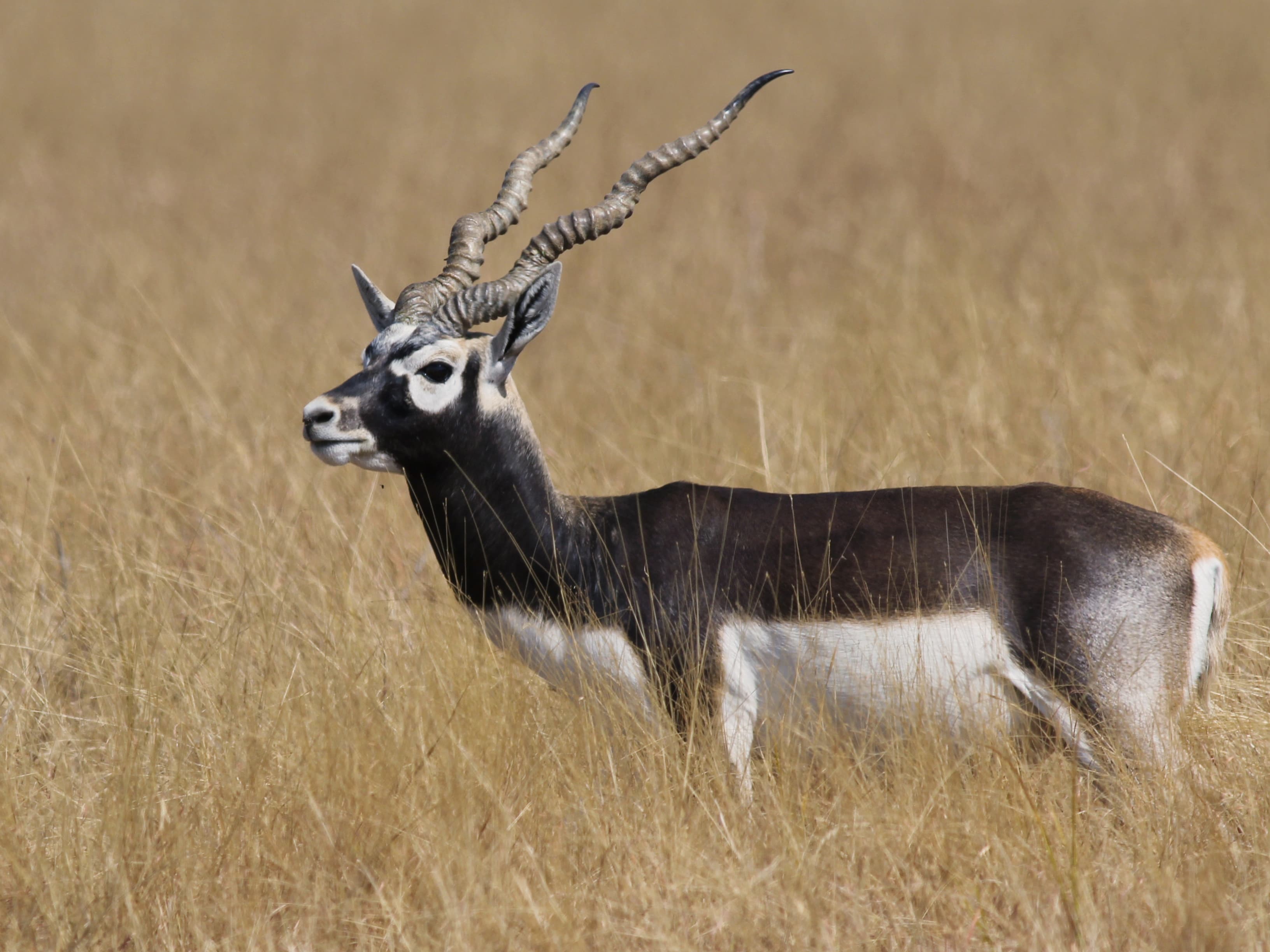
Chhattisgarh Blackbuck Translocation Initiative
Environment and Ecology14-Oct-2026

Chhattisgarh Blackbuck Translocation Initiative

Summary of Key Points from the Blackbuck Translocation Initiative in Chhattisgarh

Conservation Efforts:

  • Translocation of Blackbucks: 50 blackbucks are to be translocated to Gomarda Wildlife Sanctuary in Chhattisgarh from Barnawapara Wildlife Sanctuary. This is part of a larger revival strategy after the species disappeared from the region over 50 years ago due to poaching and habitat loss.

Historical Context:

  • Extinction: Blackbucks were locally extinct in the region by the 1970s, prompting conservation efforts to reintroduce them.

Previous Conservation Success:

  • In a similar initiative, 77 blackbucks were successfully translocated to Barnawapara Sanctuary from various zoological parks between 2017-2018, leading to a population increase to over 150.

Wildlife Protection Legislation:

  • Wildlife Protection Act, 1972: Blackbucks are listed under Schedule 1, categorizing them as an endangered species that require strict protection measures.

Habitat and Environmental Context:

  • Geographical Proximity: Gomarda and Barnawapara sanctuaries are situated 70 kilometers apart and share environmental characteristics favorable for blackbucks, such as good water availability and grasslands.

Economic Implications:

  • Wildlife Tourism: The translocation initiative aims to enhance wildlife tourism in Gomarda Sanctuary, fostering local employment opportunities.

Government Recognition:

  • Prime Minister Narendra Modi acknowledged the blackbuck conservation effort during his public address in April 2026, indicating governmental support for wildlife protection initiatives.

Future Prospects:

  • Plans are in place for potential similar translocation efforts across other sanctuaries, highlighting a broader commitment to wildlife conservation in India.

Relevant Figures:

  • Current Blackbuck Population in Barnawapara: Over 150 after successful translocation efforts.
  • Total Blackbucks Translocated to Barnawapara: 77 from multiple zoological sources.

Conclusion:

This initiative represents significant progress in wildlife conservation strategies in India, demonstrating effective habitat restoration and population management efforts through legislative support, community engagement, and governmental endorsement.

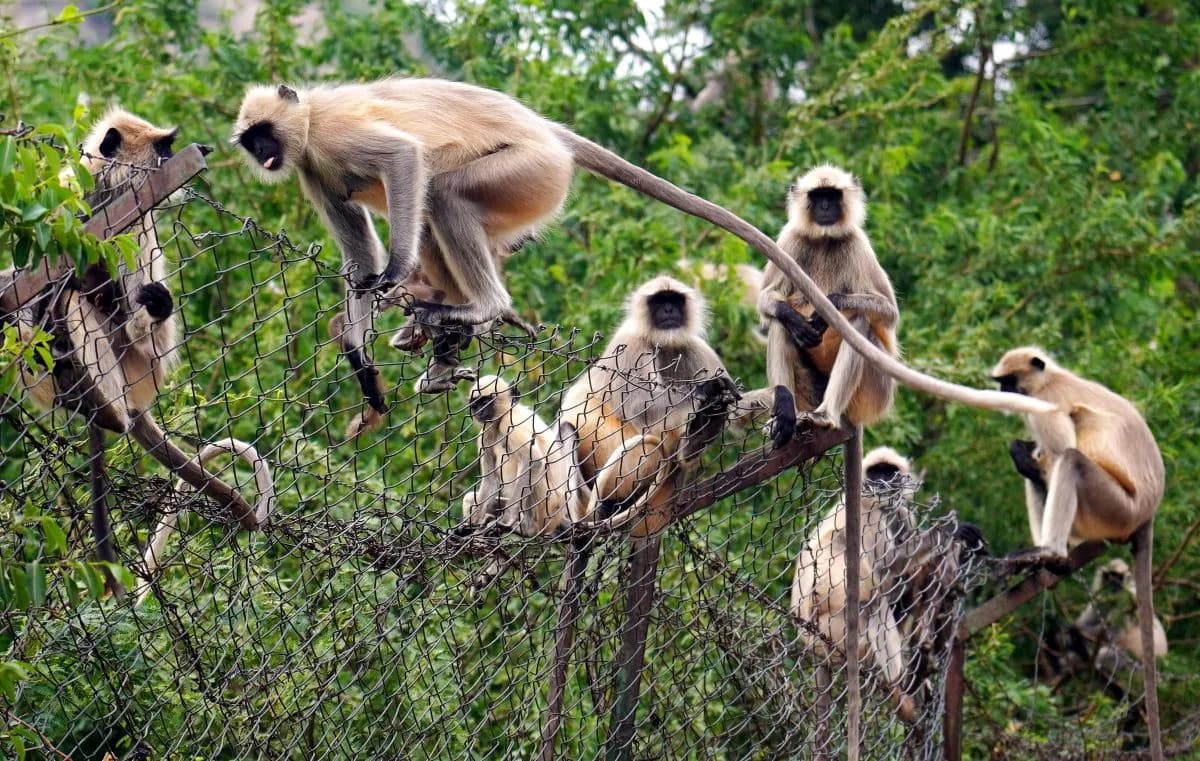
Langur Menace in Chhattisgarh Village
Environment and Ecology14-Oct-2026

Langur Menace in Chhattisgarh Village

Summary of Langur Problem in Chhattisgarh's Devgaon Village

  1. Background: The village of Devgaon, located in Bemetara district, Chhattisgarh, has been facing significant issues with grey langurs, which have increasingly intruded into residential areas over the past decade. Residents report frequent disruptions from langurs raiding kitchens and causing property damage.

  2. Wildlife Protection Act, 1972: Grey langurs are protected under Schedule II of the Wildlife (Protection) Act, 1972. This act prohibits their hunting, capturing, or harming, and constitutes a criminal offense.

  3. Incident Overview:

    • Recent viral video claims that 22 langurs were killed, triggering a Forest Department inquiry.
    • Villagers allegedly hired a 'hunter' for rice to manage the langur population, a move that has raised significant controversy.
    • Reports suggest the issue affects around 50 villages in the Bemetara-Nawagarh block, indicating a broader regional challenge.
  4. Community Responses:

    • The village has employed a security guard to patrol the area, marking the second instance in ten years where such a measure has been taken to deter the animals.
    • Residents have attempted various methods, like laying thorny twigs on roofs, to protect their property from langur intrusions.
  5. Health and Safety Issues: Residents report physical injuries and safety concerns due to langur interactions. For instance, a 65-year-old resident injured her foot while trying to escape a langur encounter.

  6. Contributing Factors:

    • Experts indicate habitat loss due to agricultural expansion as a primary reason for increased human-animal conflicts. The destruction of natural bunds and trees has forced langurs into human habitats as they seek food and shelter.
    • Effective solutions suggested include providing safe habitats for langurs to encourage them away from human settlements.
  7. Forest Department's Role:

    • Forest officials have verified claims of frequent complaints and interventions but express that numerous villagers do not consult or inform them before employing personal guards.
    • The Superintendent of Police emphasized that hiring guards requires the district collector's permission, which was not obtained in this case.
  8. Current Status: At present, the village continues to grapple with the langur issue, and frustration among residents is growing due to a perceived lack of effective solutions and support from authorities. Many feel abandoned in addressing the persistent wildlife conflict.

This case illustrates the complexities of human-wildlife interactions, the importance of wildlife protection laws, and the necessity for community cooperation with regulatory bodies for sustainable coexistence.

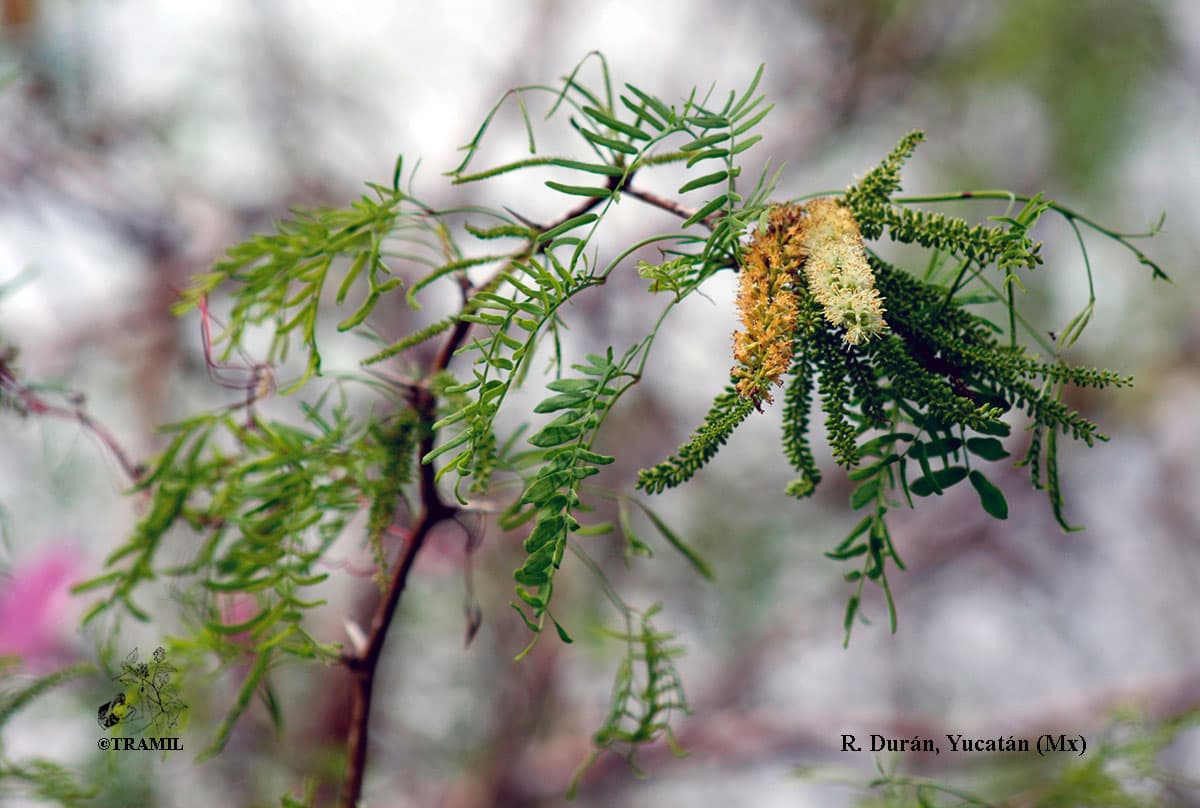
Strategic Plan for Invasive Species Mitigation
Biodiversity12-Oct-2026

Strategic Plan for Invasive Species Mitigation

Summary Notes on the Kerala State Biodiversity Board's Strategic Plan

Invasive Alien Species (IAS) in Kerala

  • The Kerala State Biodiversity Board (KSBB) has formulated a seven-point strategic plan to address the impact of IAS on biodiversity.
  • Key Components of the Strategy:
    1. Prevention and monitoring of IAS spread.
    2. Public awareness and capacity building to manage IAS.
    3. Risk assessments and prioritization of research on IAS impacts.
    4. Management strategies focusing on prevention and community engagement.
    5. Scientific identification and taxonomic validation of IAS.
    6. Economic utilization of IAS where eradication is unfeasible.
    7. Strict quarantine measures to prevent further spread.

Documented Invasive Species

  • A total of 32 alien species documented in Kerala's inland aquatic ecosystems:
    • Fish species: 28, including the Mozambique tilapia, prevalent in all rivers, reservoirs, and lakes.
    • Plant species: 4, including Chromolaena odorata, Lantana camara, and Mikania micrantha, which disrupt forest ecosystems and hinder native plant regeneration.

Pathways for Introduction of Invasive Species

  • Intentional pathways:
    • Aquaculture
    • Ornamental trade
    • Agriculture
  • Unintentional pathways:
    • Ballast water
    • Nursery trade
    • Natural disasters (e.g., floods).

Economic & Ecological Impact

  • Invasive species are leading to significant ecological disruptions and biodiversity loss. They pose a major threat to agriculture by damaging crops.

Recommendations & Legal Framework

  • A call for a unified legal framework to address IAS threats has been made by stakeholders, including former officials from Kerala Forest Research Institute.
  • Recommendations for a dedicated government system to combat IAS have been proposed to the Union Ministry of Forests, Environment and Climate Change.
  • The need for comprehensive studies on the native species lost to IAS has been highlighted.

National Context

  • A recommendation for a national policy on IAS was previously provided by the Zoological Survey of India during a national conference on invasive species.

Importance and Conclusions

  • Invasive species can drastically alter ecosystems, leading to economic and biodiversity costs.
  • The KSBB emphasizes the urgent need for strong, coordinated measures to combat the spread of IAS to protect Kerala’s indigenous biodiversity.