iAspirants
Constitution Released in Santhali Language
Published on:
Share this post
Article Summary
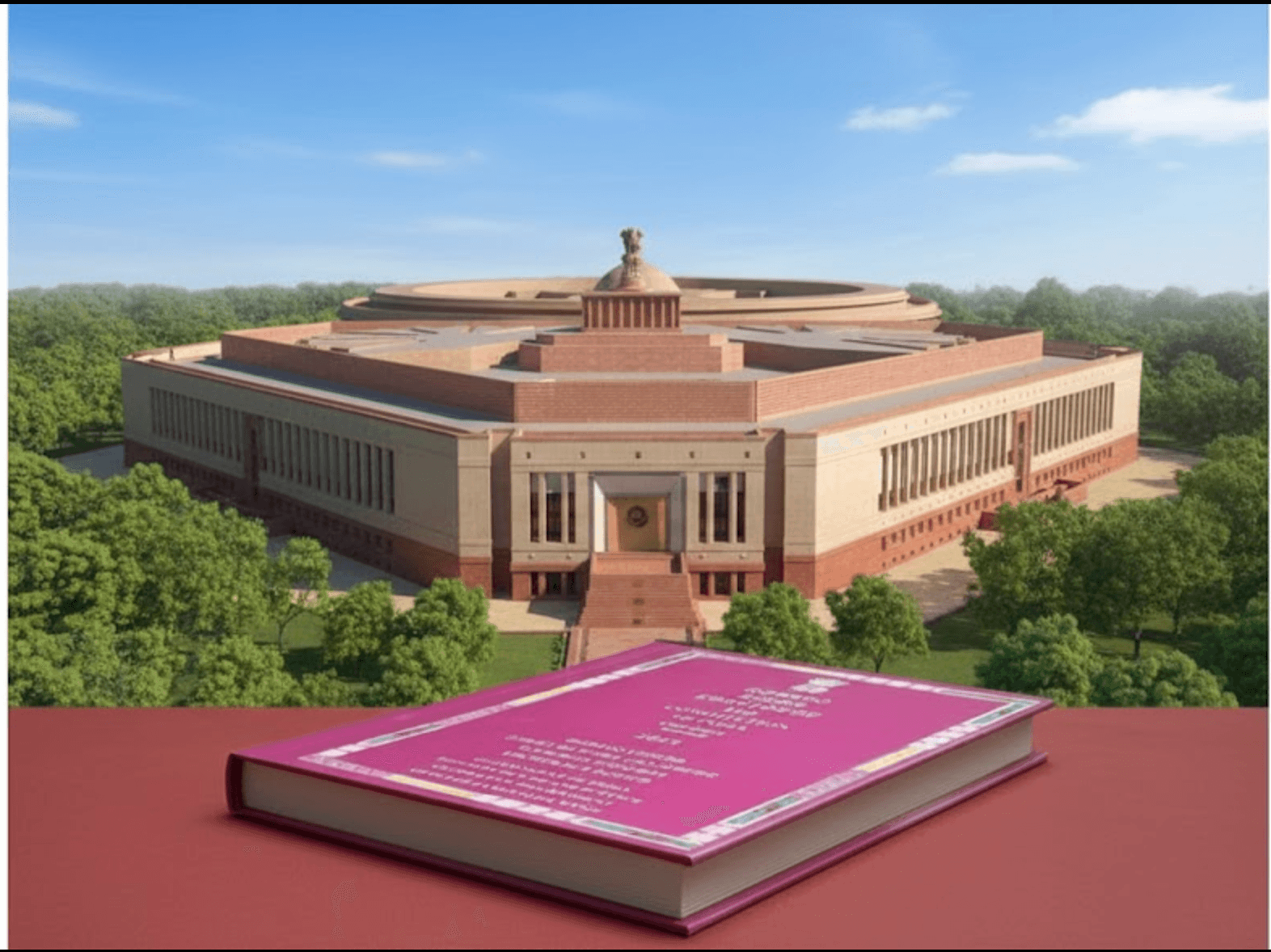
Release of Constitution in Santhali Language: President Droupadi Murmu unveiled the Constitution of India in the Santhali language at Rashtrapati Bhavan.
Eighth Schedule and 92nd Amendment Act, 2003: The Santhali language was added to the Eighth Schedule of the Indian Constitution through the 92nd Amendment Act, which recognizes languages for official use.
Relevance of Santhali Language: An ancient language spoken by tribal communities primarily in Jharkhand, Odisha, West Bengal, and Bihar. The availability of the Constitution in Santhali enhances access for these communities.
Ol Chiki Script: The Constitution is presented in the Ol Chiki script, making it accessible for Santhali speakers to read and understand their rights and duties as enshrined in the Constitution.
Significance: The initiative is recognized as a source of pride for the Santhali people, reflecting inclusivity in the constitutional framework of India.
Acknowledgment: President praised Union Minister of Law and Justice, Arjun Ram Meghwal, and his team's efforts in facilitating this initiative, highlighting the importance of language in understanding governance and civic rights.
Ethnic and Cultural Relevance: This release aligns with India's broader goal of preserving and promoting regional languages and cultures among its diverse population.
Historical Context: The initiative coincides with the centenary year, emphasizing the importance of translation in a multilingual democratic society.
Key Terms & Concepts
| Constitution of India | Released in Santhali language |
| Eighth Schedule | Includes Santhali language |
| 92nd Amendment Act, 2003 | Amended to include Santhali |
| Ol Chiki script | Script used for translation |
| Union Minister of Law and Justice | Led Constitution translation effort |
| Centenary year | Year of Constitution's significance |
| Jharkhand, Odisha, West Bengal, Bihar | Regions where Santhali is spoken |