iAspirants
Constitutional Crisis in India, 1964
Published on:
Share this post

Article Summary
Constitutional References and Judicial Rulings
- Article 143: The President referred the matter concerning the legislative power and judicial review to the Supreme Court.
- Article 194: Related to the privileges of the legislative assembly.
- Article 211: Prohibits discussion on judicial conduct within a legislature.
- Article 21: Ensures the right to personal liberty, which was central to the case.
Historical Context
- In 1964, a pamphlet by Keshav Singh accused MLA Narsingh Narain Pandey of corruption, igniting a conflict between the Uttar Pradesh Assembly and the judiciary.
- Keshav Singh was detained by the Assembly after he refused to cooperate during proceedings regarding his pamphlet.
Key Events Leading to Supreme Court Verdict
- Singh’s habeas corpus petition was filed in the Allahabad High Court, which ordered his release, leading to tensions with the Assembly.
- The Assembly attempted to summon the High Court judges who granted bail—a move unprecedented in Indian legislative history.
- The conflict escalated with the involvement of the Prime Minister and resulted in a Presidential Reference to the Supreme Court.
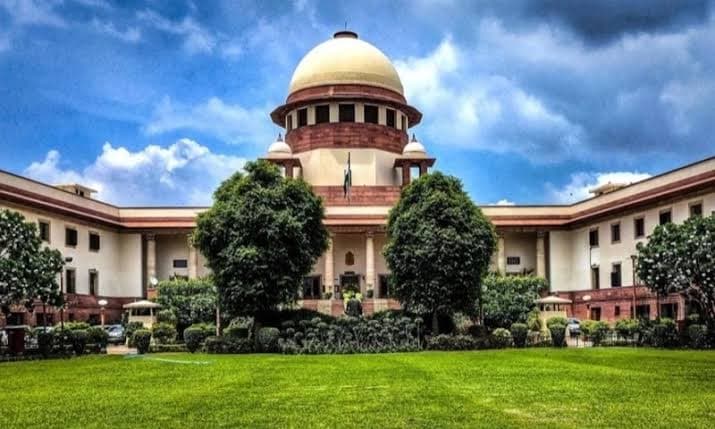
Supreme Court Verdict (End of 1964)
- The Supreme Court ruled that:
- The Assembly exceeded its powers in attempting to punish Singh and Solomon (his lawyer) for appearing in court.
- The High Court had the jurisdiction to examine Singh’s detention.
- Legislative privilege does not override constitutional rights.
- Judges could not be summoned for actions undertaken in their judicial capacity.
- Judicial review is essential to maintain the balance of powers within the constitutional framework.
Impact of the Supreme Court's Decision
- The decision was seen as a restoration of equilibrium between the legislature and the judiciary.
- Criticism arose from some legislative presiding officers claiming the verdict weakened legislative autonomy but proposals to amend the Constitution did not gain traction.
- The advisory opinion established a precedent for dealing with disputes related to institutional authority and limits among government branches.
Conclusion
- This case underscores the importance of the constitutional balance between legislative authority and judicial review, cementing fundamental rights and personal liberties against legislative overreach.
Key Terms & Concepts
| Keshav Singh | Author of protest pamphlet |
| Article 211 | Prohibits legislative discussion of judicial conduct |
| Article 143 | Presidential reference for Supreme Court |
| Supreme Court | Reviewed legislative powers |
| Allahabad High Court | Ordered Singh's release on bail |
| Narsingh Narain Pandey | MLA accused of corruption |
| Prime Minister's Office | Involved in constitutional crisis resolution |
| Union Cabinet | Involved in decision-making process |
| Constitutional Privilege | Debated legislative authority limits |
| Chief Justice P B Gajendragadkar | Presided over Supreme Court bench |
| 1964 Judicial Opinion | Restored equilibrium between branches |
| Democratic Institutions | Focus of public policy professional |