iAspirants
Construction of Madayipara Boundary Wall
Published on:
Share this post
Article Summary
Summary of Environmental Protection Initiatives at Madayipara
1. Constructive Measures:
- Boundary Wall Construction: The Madayi Thiruvarkattukavu Devaswom has initiated the construction of a stone boundary wall along the road from Eripuram to the Naval Academy aimed at preventing vehicular entry into the ecologically sensitive area of Madayipara.
- Materials Used: The wall is being built using laterite stones to restrict access primarily to address the environmental damage caused by vehicles and unregulated tourism.
2. Environmental Context:
- Biodiversity: Madayipara is a 3.65 square-kilometre plateau recognized for its unique biodiversity, hosting:
- 670 species of flowering plants.
- 14 IUCN-listed threatened species.
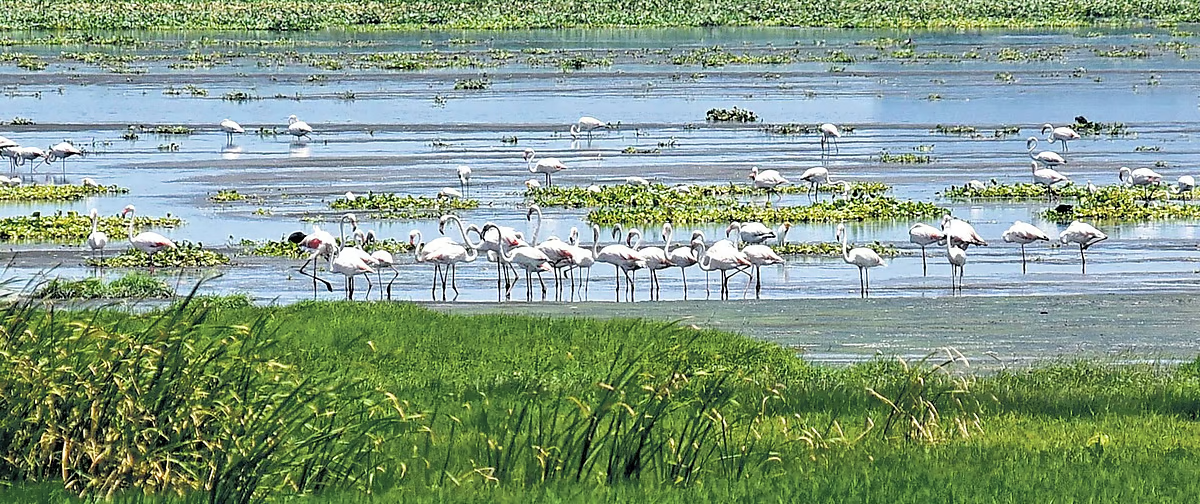
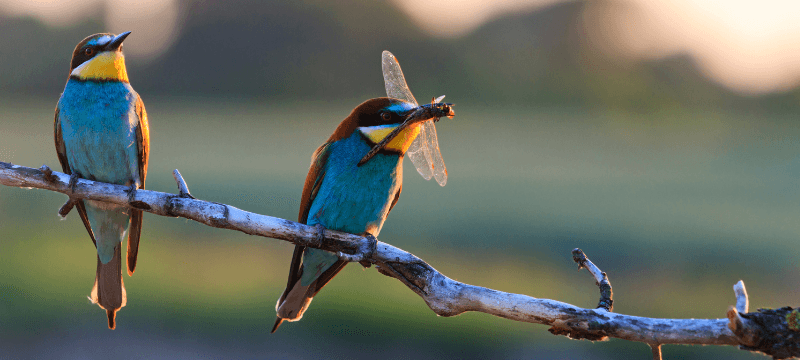
- 258 bird species, including 10 globally threatened species.
- Supports various wildlife: 24 mammal, 32 reptiles, 20 amphibians, and multiple insect species.
- Impact of Tourists: Increased vehicular movement is damaging rare plants and the fragile ecosystem, with environmentalists raising concerns over waste and behaviors of visitors affecting local biodiversity.
3. Government Actions & Policy:
- Kerala High Court Directive: There was a previous directive to restrict access to vulnerable landscapes by regional police to safeguard biodiversity, which has reportedly not been enforced effectively in recent years, leading to increased human interference.
- Stop Memo Issued: The local panchayat issued a stop memo to an amusement-cum-eco park operating without required permissions, reflecting regulatory oversight concerning environmental protection.
4. Future Plans and Challenges:
- Enhanced Measurement: The Devaswom authorities are contemplating further protective measures against unauthorized access, such as clear warning boards and monitoring trespassers, along with natural vegetation fencing.
- Monitoring Requirement: Maintaining any natural barriers will need continuous oversight due to prior ineffective temporary measures.
- Community Disapproval: Plans to restrict access routes have led to dissatisfaction among local residents, highlighting the conflict between conservation and traditional public access.
5. Stakeholder Involvement:
- Environmental Groups: Organizations such as the Madayipara Samrakshana Samithi are voicing concerns regarding tourism's ecological footprint, calling for stricter regulations on tourism activities to avoid further deterioration of the area's ecological integrity.
6. Conclusion:
- The developments at Madayipara illustrate ongoing struggles between maintaining ecological integrity in tourism-heavy areas and ensuring public access rights. Continuous efforts from local government, enforcement of judicial directives, and community engagement will be crucial for effective conservation strategies.
Key References:
- Schedule I of the Wildlife (Protection) Act: Protects certain endangered species.
- International Union for Conservation of Nature (IUCN): Provides classifications for threatened species.
- Kerala High Court Directive: Historical context for the legal framework protecting ecologically significant landscapes.
Key Terms & Concepts
| Madayipara | Ecologically preserved area |
| Kerala High Court | Issued directive for protection |
| Wildlife (Protection) Act | Legal act for wildlife protection |
| IUCN | Classified threatened species |
| 3.65 square-kilometre | Size of Madayipara plateau |
| 670 species of flowering plants | Floral diversity statistic |
| 14 threatened species | Classification by IUCN |
| 258 bird species | Bird diversity statistic |
| 10 globally threatened species | Classification of birds |
| Environmental groups | Opposing unregulated tourism |
| Stop memo | Issued against eco park |
| Vadukunda Siva Temple | Location for construction |
| Vehicles and visitors |