iAspirants
Controversy Over 2027 Census Religions
Published on:
Source: The Hindu
Share this post
Article Summary
Exam-Focused Notes on 2027 Census Developments
Census Overview:
- The 2027 Census marks the first instance in Independent India where caste enumeration will be conducted.
- The self-enumeration portal for the Census launched on November 16, 2026, specifically for Uttar Pradesh, Goa, Punjab, and Uttarakhand.
Changes in Religion Enumeration:
- The portal initially featured 287 entries listed under the "Other" religions category in a drop-down menu, which was removed shortly after a query by The Hindu.
- As of November 2026, only 76 entries remain for "Other" religions, showing predictive text suggestions rather than a drop-down menu.
- Over 200 entries were deleted, including notable groups like ISKCON, Ramdev, and others previously categorized as sects within major religions (Hindu, Muslim, Christian, Sikh, Jain, Buddhist).
- Remaining entries largely reflect Scheduled Tribe (ST) community faiths, such as Sarna and Oraon, and include five new entries not recorded in previous Censuses: Adibasi dharma, Bura Deo, Karupa, Tingkao Rangong, and Tingwang Hingde.
Constitutional and Legal Context:
- The Census is being scrutinized for potentially undermining the representation of diverse religions and communities, especially by removing a comprehensive drop-down list for "Other" religions while offering an open column for caste enumeration.
- Critics argue about the government's inconsistent approach to religious and caste enumeration, emphasizing that a complete listing of all castes (SC, ST, OBC, General) is absent.
Government and Policy Responses:
- Union Home Ministry officials stated the initial drop-down entries were for reducing spelling errors and confusion rather than actual identifiers of "Other" religions.
- The government maintains there is no available comprehensive list of all castes, which has led to using an open column for caste enumeration instead of a structured drop-down menu.
Civil Society Engagement:
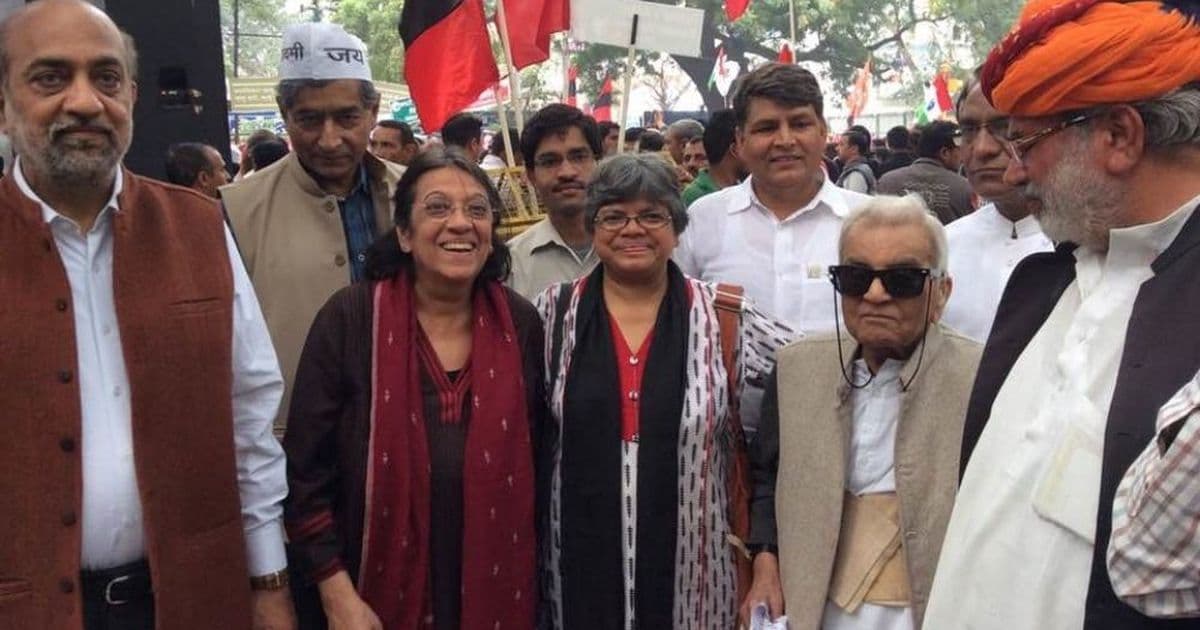
- Following the changes in the Census approach, there are ongoing protests organized by the All India Caste Census Coordination Committee scheduled for November 28, 2026, in New Delhi, addressing the caste enumeration method.
Political Reactions:
- Opposition leaders and OBC associations have voiced concerns over the Census planning, suggesting potential attempts to fragment Hindu identities via the categorization of religions.
- A section of the general category population in North India expressed discomfort at the extensive list of “Other” religions, seeing it as a divisive measure.
Significance:
- The 2027 Census is a critical reflection in understanding India's complex sociocultural fabric, particularly concerning religion and caste, which are fundamentally important for electoral policies and resource allocation.
Conclusion
- The development of the 2027 Census raises significant questions about representation, data integrity in handling religious and caste identities, and highlights ongoing discussions about the government's approach to social categorization.
Key Terms & Concepts
| 2027 Census | Population enumeration exercise |
| 76 | Remaining entries for religions |
| 287 | Initially listed religions |
| November 16, 2026 | Portal launch date |
| 2011 Census | Reference for faith entries |
| Sarna, Doni Polo, Tana Bhagat | Scheduled Tribe religions |
| Adibasi dharma, Bura Deo | New entries not recorded |
| Other Backward Classes | Demand for caste enumeration |
| All India Caste Census Coordination Committee | Coalition for caste justice |
| Ramlila Maidan | Protest location |