iAspirants
Controversy Over Henderson Brooks Report
Published on:
Share this post
Article Summary
Summary of Key Points
Historical Context
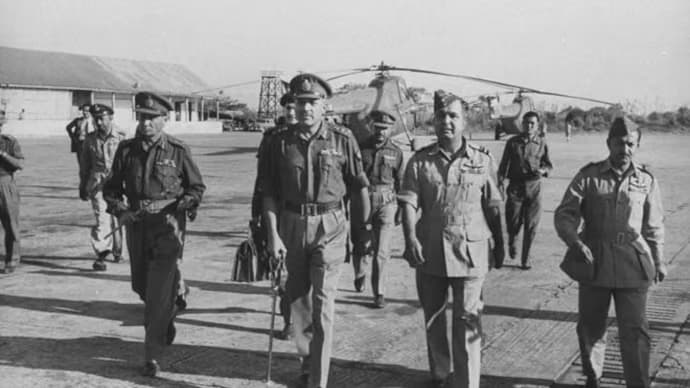
- 1962 Sino-Indian War: Internal military review led to the creation of the Henderson Brooks Report by Lt Gen T.B. Henderson Brooks and Brigadier Premindra Singh Bhagat, assessing India's military performance.
Key Publications and Authors
- Neville Maxwell's Book (1970): India’s China War, criticized the Nehru government's role in the war, citing classified sections from the Henderson Brooks Report.
- Unlike other critical accounts published in the 1960s, Maxwell's work invoked direct controversy due to its reference to classified content.
Parliamentary Reactions
- Parliamentary Inquiry: MPs, including Nath Bapu Pai, H.N. Mukherjee, and Hem Barua, questioned Minister Jagjivan Ram in Lok Sabha about Maxwell's access to the report and potential breaches of the Official Secrets Act.
- Jagjivan Ram announced a CBI investigation into whether Maxwell obtained classified documents unlawfully.
Official Secrets Act
- The Official Secrets Act, 1923 aims to protect sensitive government documents; breach of this may lead to legal repercussions.
CBI Inquiry
- The inquiry's status remained unknown, with the last parliamentary query recorded in 1971, indicating a lack of transparency regarding the investigation findings.
Government Response
- In 2014, the Indian government reaffirmed the Henderson Brooks Report as a "Top Secret" document, stating that declassifying it was not in national interest (response given by then Defence Minister Arun Jaitley).
Cultural and Political Impact
- The controversy surrounding the Henderson Brooks Report and Maxwell's interpretations has had ongoing implications in Indian political discourse, reflecting historical scrutiny over military and political accountability.
Notable Figures
- Lt Gen T. B. Henderson Brooks: Author of the classified report; commanded XI Corps during the 1962 war; returned to Australia post-retirement in 1964.
- Brigadier Premindra Singh Bhagat: Co-author of the report; later promoted to Lt General.
Economic and Defence Considerations
- The debates around military failures and responses to classified documents reflect broader themes of governance, national security, and integrity in military operations.
International Relations
- The context of the 1962 war and subsequent literary examinations underline ongoing discussions in Indian foreign policy, particularly regarding China.
Importance of Classified Reporting
- The handling of sensitive documents and the public's right to know about government processing and military accountability remain vital areas for contemporary governance discussions.
Conclusion
The saga of the Henderson Brooks Report illustrates the intersection of military history, governance, and legislative scrutiny within the framework of constitutional laws and the Official Secrets Act. Understanding this dynamic remains crucial for interpreting current and future military and political operations within India.
Key Terms & Concepts
| Henderson Brooks Report | Classified internal operational review |
| 1962 India-China War | Major military conflict |
| Neville Maxwell | Author of controversial book |
| Jagjivan Ram | Defence Minister's response |
| CBI Inquiry | Investigation into document leak |
| Official Secrets Act | Legislation governing classified information |
| Lok Sabha | Indian Parliament's Lower House |
| Cabinet Secretariat | Holder of classified documents |
| January 1997 | Year of Henderson Brooks' death |
| April 6, 1976 | Date of MP's inquiry about CBI report |
| 2014 | Year Maxwell posted report online |
| J N Chaudhury | Acting Army Chief in 1963 |