iAspirants
Crisis in Child Mental Health India
Published on:
Share this post
Article Summary
Summary of Key Facts and Data on Child and Adolescent Mental Health in India
Mental Health Crisis:
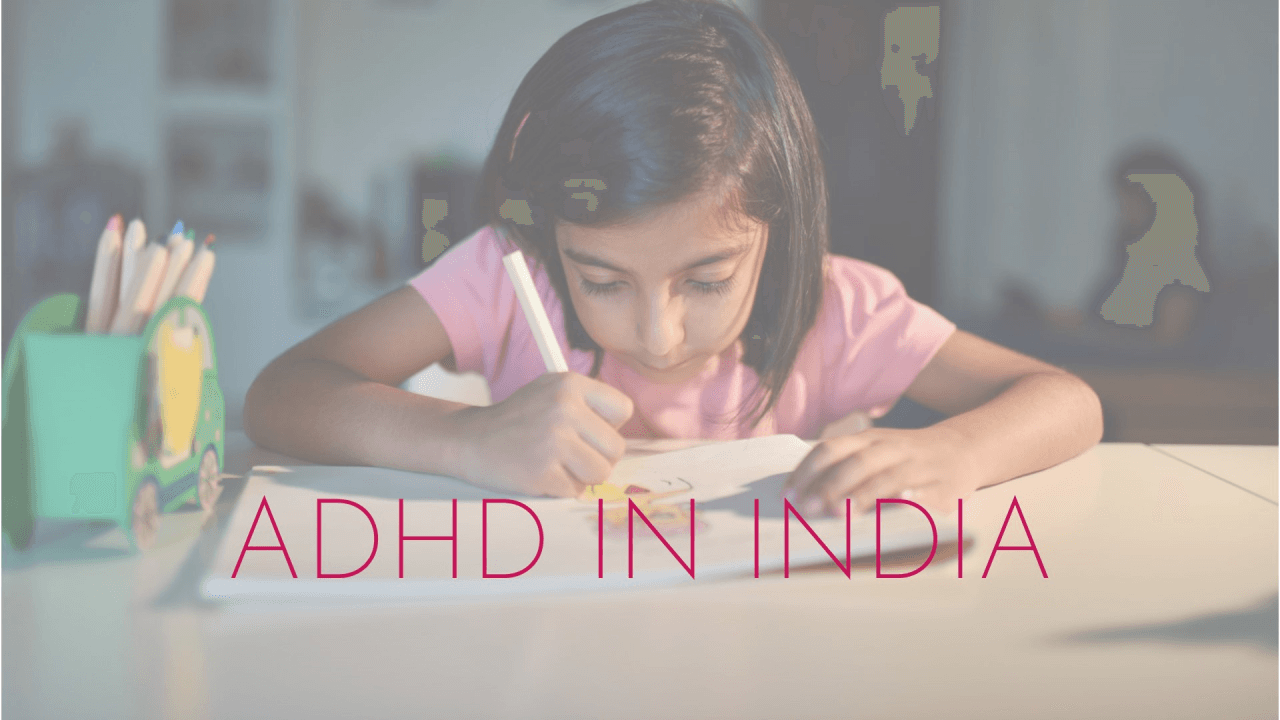
- Increasing prevalence of mental health challenges among children and adolescents in India; between 7% to 10% of adolescents have diagnosable mental health conditions, with 5% to 7% of children having Attention Deficit Hyperactivity Disorder (ADHD).
- Early childhood emotional and behavioral disorders can manifest as early as four to five years of age.
Impact of Digital Environment:
- Over 800 million Indians use smartphones, significantly impacting children and adolescents' mental health.
- The COVID-19 pandemic heightened reliance on digital devices for education and social interaction.
World Health Organization Guidelines:
- Issued warnings against excessive screen time for children, linking it to poor sleep, attention issues, and emotional dysregulation.
Healthcare System Shortcomings:
- India has fewer than 10,000 psychiatrists for a population of over 1.4 billion; a minimal number specialize in child mental health.
- Significant shortages exist in clinical and child psychologists and psychiatric social workers.
Recommended Strategies:
- Emphasize trauma-informed parenting and early identification of emotional changes.
- Development of support groups for parents and adolescents to enhance community-based mental health resources.
Challenges in Educational Institutions:
- School structures prioritize academic performance over emotional wellbeing.
- Recommendation for consistent integration of emotional wellbeing into school curricula.
Policy and Regulatory Framework:
- India’s Economic Survey 2025-26 highlighted the need for preventive strategies addressing adolescent mental health.
- Various states considering regulatory measures for social media usage among adolescents, based on models from Australia, France, and South Korea.
Government Schemes and Initiatives:
- Existing programs include the National Mental Health Programme and Ayushman Bharat for health and wellness centers.
- Proposed measures for regular school-based mental health screenings and training for teachers in identifying mental health issues.
Implementation Barriers:
- Pervasive stigma around mental health impedes early help-seeking behavior.
- Normalizing mental health discussions within families, schools, and healthcare settings is viewed as a public health necessity.
Call to Action:
- Essential to provide parents with resources on recognizing early signs of mental distress and promoting healthy digital habits.
- Need for collaborative efforts between schools, mental health professionals, and communities to address the crisis effectively.
In conclusion, addressing child and adolescent mental health in India requires urgent action across various sectors, including healthcare, education, and community engagement. Prioritizing mental health alongside academic success is crucial for fostering resilience and wellbeing in children and adolescents.
Key Terms & Concepts
| National Mental Health Survey | Indicators of adolescent mental health |
| 5% to 7% of school-aged children | ADHD prevalence statistic |
| COVID-19 pandemic | Increased screen exposure |
| World Health Organization | Issued guidelines against screen exposure |
| Economic Survey 2025-26 | Highlighted rising mental health challenges |
| Ayushman Bharat | Health initiative under National Programme |
| tele-mental health initiatives | Expanded mental health reach |
| less than 10,000 psychiatrists | Shortage of mental health professionals |
| 800 million Indians | Smartphone and Internet users |
| trauma-informed parenting | Recommended approach for caregivers |
| parent support groups | Strengthens protective environment |
| mental wellbeing |