iAspirants
HomeAbout UsCurrent AffairsPrelims PYQsPricing
Login
iAspirants
HomeAboutBlogsFAQsPricingLogin
Privacy PolicyTerms & ConditionsReturn PolicyContact Us

© 2025 iAspirants, Inc. All rights reserved.

  1. Blogs
  2. Art and Culture

Cultural Significance of Betel Leaf

Published on: 21-Aug-2026

Share this post

Cultural Significance of Betel Leaf

Article Summary

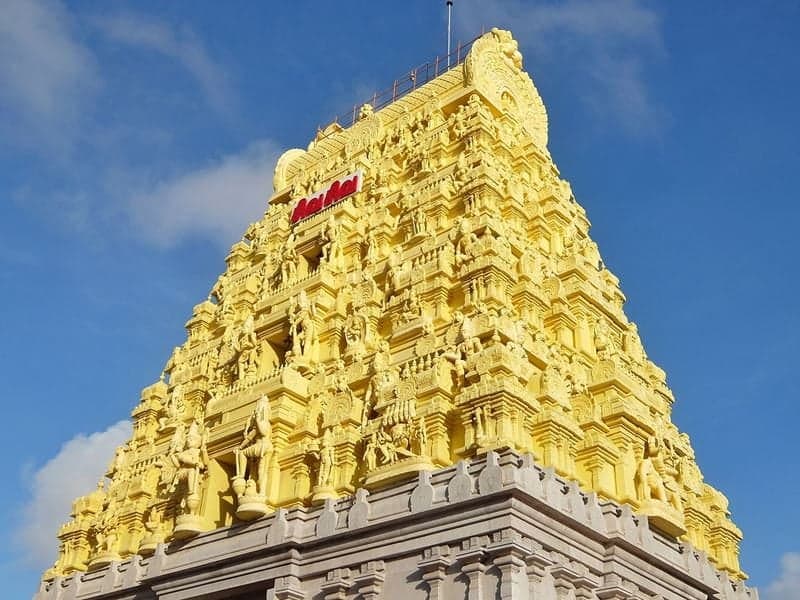
  • Historical Context: The Chennakeshava temple in Belur, Karnataka, was constructed by Hoysala kings in the 12th century, showcasing cultural and religious significance. It features carvings of a woman holding betel leaves, highlighting its importance over time.

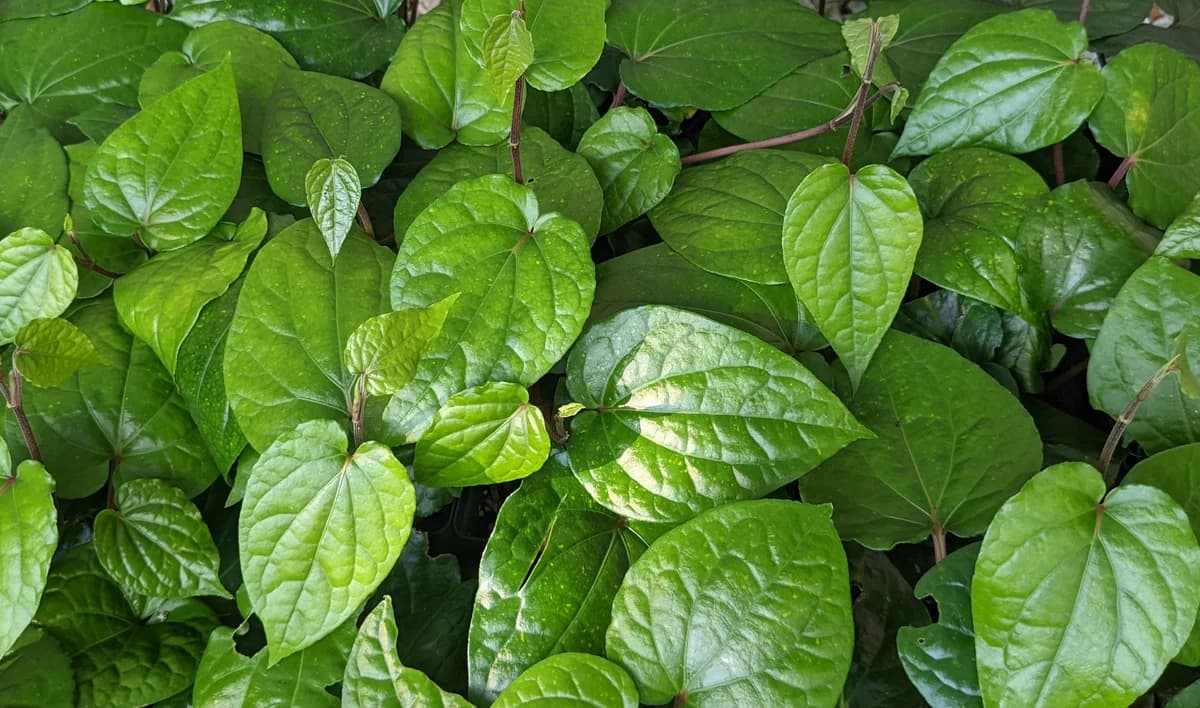
  • Cultural Significance: Betel leaf (tambula) was not mentioned in ancient texts like the Vedic Samhitas, Ramayana, or Mahabharata, indicating it was a later addition to Indian culture. It was introduced during the Gupta period (around 4th century CE) through trade.

  • Literary References: Tamil Sangam poetry from 2,000 years ago discusses the betel leaf's significance in trade and society, emphasizing its role in hospitality and ceremonial functions.

  • Health Benefits: Ayurvedic traditions recognized betel for digestive aid, beauty enhancement (for singers), and treatments for various ailments like filarial infection, skin diseases, and obesity.

  • Religious Usage: Betel has been integrated into Hindu rituals, symbolizing key deities: areca nut as Brahma, the leaf as Vishnu, and lime as Shiva. It was offered in rituals and used during the sprinkling of holy water.

  • Social Language: The act of offering or consuming betel leaf plays a critical role in social etiquette within Indian society, aiding communication of status and relationships. In various cultures, such as in Assam and Bhutan, its presentation is tied to respect and formal greeting rituals.

  • Caste System Dynamics: The betel leaf reflects caste dynamics, wherein offerings were tiered by rank, indicating social status and respect. A high-caste individual offering betel was seen as a mark of respect, whereas receiving it from a lower-caste person could be viewed as pollution.

  • Court Rituals: Betel also became a symbolic element in medieval court rituals and was essential for binding social agreements, illustrating its multifaceted roles in both personal and political life.

  • Symbolism and Absorption of Culture: The journey of the betel leaf from a foreign import to a symbol of Indian culture reflects the broader theme of cultural assimilation, where foreign elements have been integrated into the Indian ethos without retaining their foreign identity.

This summary encapsulates the socio-cultural, historical, and symbolic dimensions of betel leaves in Indian traditions, emphasizing their multifarious roles across health, religion, and social etiquette.

Key Terms & Concepts

Chennakeshava templeCultural heritage site
Hoysala kingsHistorical rulers of Karnataka
Gupta periodPeriod of betel introduction
Tamil Sangam poetryAncient literary references
Ayurvedic medicineMedical use of betel
Kama SutraTextual mention of betel
pancha-sugandhaFive aromatic ingredients
tribal customsCultural norms related to betel
Doma zhesBhutanese greeting phrase
Royal courtsSetting for betel rituals

Mind Map for UPSC Civil Services Revision

Turn UPSC Civil Services Current Affairs Into Exam-Ready Notes

Reading Art and Culture current affairs is half the work. Revise them with ready-made notes and test what actually stuck.

  • Daily UPSC Civil Services current affairs analysis
  • Revision notes, mind maps & MCQs
  • Prelims mock tests with instant results

Related UPSC Civil Services Current Affairs Articles

Increased Funding for Tamil Heritage Initiatives
Art and Culture20-Aug-2026

Increased Funding for Tamil Heritage Initiatives

Tamil Nadu Archaeology and Cultural Preservation Initiatives

  1. Budget Allocations:

    • Increase in annual allocation for archaeological activities from ₹7 crore to ₹10 crore.
    • Establishment of a modern archaeological laboratory at a cost of ₹2 crore.
  • Annual allocation for conservation at protected sites increased from ₹3 crore to ₹4 crore.
  • Annual allocation for infrastructure and modernization at excavation museums raised from ₹30 lakh to ₹1 crore.
  • Tamil Heritage Conservation Mission:

    • Renovation of 76 protected monuments and archaeological sites planned for implementation over the next five years.
  • Research Initiatives:

    • Field research to document ancient Tamil maritime trade links and ports over three years, costing ₹3 crore.
    • Digital database employing Artificial Intelligence (AI) for enhanced understanding of ancient Tamil inscriptions.
  • Cultural Promotion:

    • Identification and notification of fifteen historically significant sites as protected archaeological sites.
    • Mandatory allocation of 30 to 45 minutes for performances by folk artists at all government and private events attended by Chief Minister C. Joseph Vijay.
    • Establishment of two art research centres in Coimbatore and Thanjavur at ₹2 crore to promote traditional folk arts.
    • Monthly financial assistance for economically disadvantaged artists to extend support to an additional 1,500 artists.
  • Financial Assistance for Artists:

    • Increase in assistance for folk artists for musical instruments and costumes from ₹10,000 to ₹20,000, benefitting 500 additional young artists.
  • Cultural Infrastructure:

    • Detailed Project Report for establishing a Tamil Heritage Museum in Madurai to be prepared at a cost of ₹2 crore.
    • Commemoration of the Government Museum in Chennai with a postage stamp to mark 175 years of its establishment.
  • Awareness Campaign:

    • Declaration of 2026-27 as the ‘Visit Museum Year’ to promote visits to museums among students and the general public.
  • These initiatives illustrate the Tamil Nadu government's focus on preserving and promoting its cultural heritage, enhancing archaeological research, and supporting artisans and traditional arts through increased financial allocations and dedicated schemes.

    Exhibition of Old Indian Paintings
    Art and Culture19-Aug-2026

    Exhibition of Old Indian Paintings

    • Exhibition Overview: An exhibition of Old Indian Paintings and Textiles was inaugurated by Her Highness the Maharanee Gaekwar of Baroda in Bombay. This event is organized by a newly formed society aimed at promoting Indian art.

    • Collection Chronology: The presented collection spans from the second century B.C. to the early 19th century, showcasing India's rich artistic history.

    • Textiles Significance: The textiles exhibited are noted for their variety and excellent design. They exemplify the craftsmanship of Indian looms, a traditional art form that is diminishing.

    • Epics Illustrations: A highlight of the exhibition includes illustrations from India's two great epics lent by the Baroda Museum. These are original signed paintings from various artists, demonstrating different conventions, methods, and styles prevalent during the Court of Akbar.

    • Cultural Importance: The event signifies the preservation and appreciation of Indian art, reflecting the importance of cultural heritage and historical craftsmanship in contemporary society.

    • Institutional Support: The involvement of the Baroda Museum signifies institutional support for the arts, which is crucial for the preservation of cultural heritage.

    This summary captures the essence of the exhibition and its contributions to the appreciation of Indian art and culture.