iAspirants
Cultural Syncretism in Mughal India
Published on:
Share this post
Article Summary
Key Notes on Mughal Culture and Holi Celebrations
Historical Context:
- Mughal Social Structure: The Mughal urban centers (e.g., Lahore, Agra, Shahjahanabad) were characterized by intermixing of religions, with both Hindu and Muslim nobles residing close to each other. This cultural blending was prominent until the 18th century.
- Composite Culture: The idea, largely associated with Emperor Akbar, emphasized coexistence and acceptance across religious divides. Akbar’s interactions with a Jain ascetic showcase how cultural engagements shaped Mughal society.
Cultural Practices:
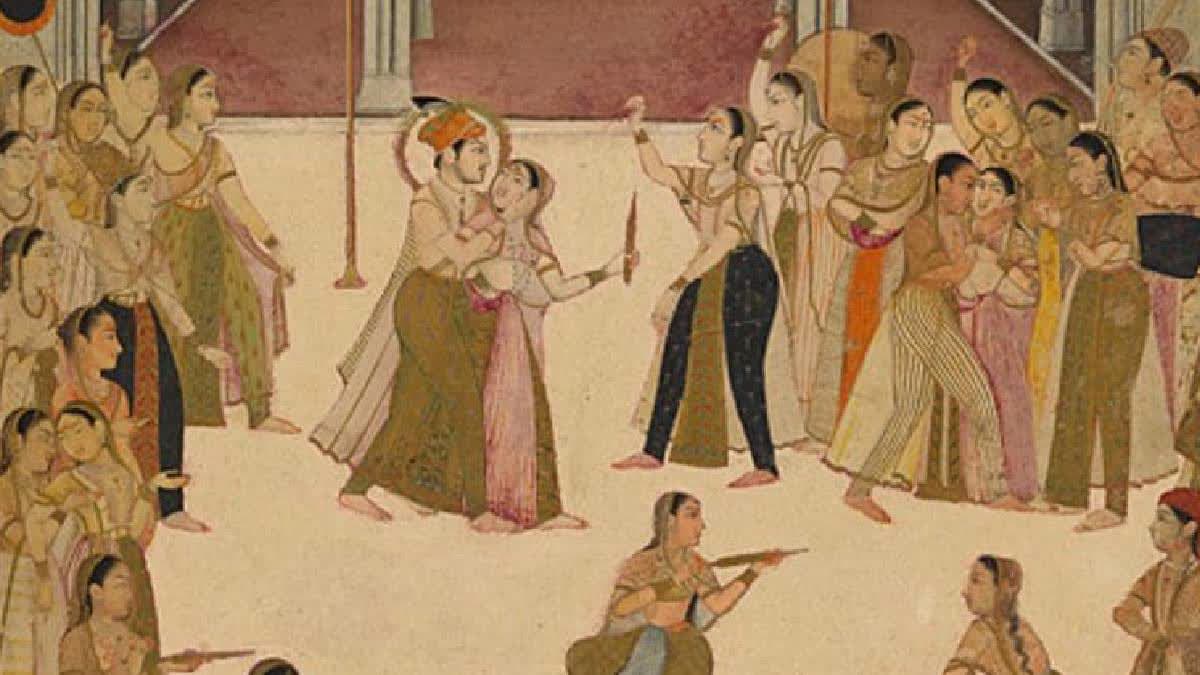
- Holi Observance: Holi was celebrated across Mughal cities with significant enthusiasm, noted by Portuguese missionary Antonio Monserrate between 1580-82. The festivities included mud play and usage of red dyes.
- Artistic Representations: Mughal miniature paintings from the era depict emperors (Akbar, Jahangir, Shah Jahan) participating in Holi, alongside the establishment of poetical gatherings (mushairas) during the celebrations.
Key Figures:
- Poets and Scholars:
- Pandit Jagannatha Panditaraja and Kavindrachandra Saraswati were notable Sanskrit scholars of Shah Jahan’s court.
- Poets like Bulleh Shah and Syed Ibrahim Khan contributed to the cultural landscape through poetry celebrating Holi and Sufi philosophies.
Sufi Influence:
- Religious Fusion: Sufi traditions heavily influenced Mughal culture, where Holi celebrations were aligned with spiritual values of love and tolerance. Notable Sufi shrines and their celebrations reinforced the intermingling of cultural practices and religious unity.
Economic and Cultural Impact:
- Celebration Practices: Emperors like Wajid Ali Shah sponsored large celebrations of Holi, reflecting the royal patronage towards cultural events, which included public participation and distribution of sweets.
- Cultural Festivals: The celebrations were noted to promote social harmony and were marked by music, poetry, and public gatherings that dissolved social hierarchies.
Constitutional and Social Themes:
- Pluralism and Syncretism: The cultural landscape of Mughal India demonstrates a historical precedent for pluralism and composite culture, which can be seen as a model for reconciling diverse traditions.
Conclusion:
The Mughal era serves as an important historical reference for understanding cultural syncretism in India, highlighting the interplay between religious practices, state patronage, and public participation in festivals, specifically Holi. The blending of cultural identities during this period significantly contributed to the rich tapestry of Indian heritage, underpinned by royal engagement and fervent celebrations across communities.
Key Terms & Concepts
| Shah Jahan | Mughal Emperor during Holi celebrations |
| Akbar | Promoter of composite culture |
| Mughal court | Site of cultural exchanges |
| Portuguese missionaries | Observers of Mughal traditions |
| Holi | Festival symbolizing cultural fusion |
| Rajputana | Cultural location celebrating Holi |
| Brajabhumi | Region known for Holi celebration |
| Thumri | Music of Holi celebrations |
| Bahadur Shah Zafar | Last Mughal emperor participating in Holi |
| Sufi saints | Promoters of cultural inclusivity |
| Nizamuddin Auliya | Sufi saint known for Holi |
| Bulleh Shah | Sufi poet expressing love through Holi |