iAspirants
Cultural Ties Between India and Iran
Published on:
Share this post
Article Summary
Indo-Iranian Cultural and Historical Relations: Key Points
Cultural Interactions & Linguistic Evolution
- The Indo-Iranian ties spanned an extensive contact zone from the Russian steppes to north-western India.
- Archaeological parallels exist between the Indus Valley sites (Mohenjo-Daro, Harappa) and Iranian sites (Susa), indicating shared cultural attributes like painted pottery and polished tools.
- Trade links facilitated the movement of Afghan and Iranian metals and semi-precious stones into the Indian subcontinent as early as 3000-4000 BCE.
Proto-Indo-Iranian Linguistic Roots
- Proto-Aryan languages spoke in southern Russia circa 3000 BCE, influencing the development of Indo-European languages.
- Significant linguistic connections noted, such as the Proto-Finno-Ugric word for ‘hundred’ mirroring Proto-Aryan.
Shared Religious Heritage
- Both the Rig Veda (Indian) and Avesta (Iranian) highlight shared religious concepts, particularly the cult of soma/haoma and worship of fire, unique to the Indo-Iranian narrative.
Historical Developments
- The Mittani Empire (circa 1650 BCE) exemplifies early Indo-Aryan language in diplomatic context, utilizing deities from Vedic tradition in treaties, indicating interconnections in ancient governance.
Dynamics of Indo-Iranian Identity
- Romila Thapar critiques the idea of a static Indo-Iranian ethnic identity, arguing for a dynamic network of interacting communities.
- Shared military elite culture evidenced by archaeological findings aligning with Indo-Iranian warrior traditions.
Persian Influence in India
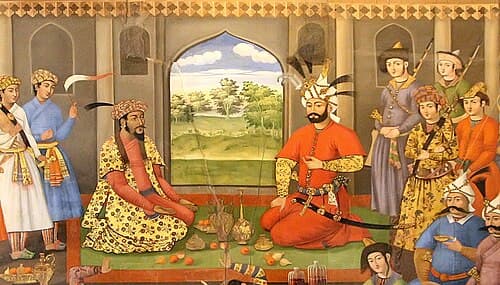
- Under the Sassanian dynasty (300 CE-651 CE), significant cultural exchanges occurred, leading to Persian influence on architecture and literature in India.
- The adoption of Persian in Indian courts created a vast scribal class, with Persian becoming integral to cultural and administrative practices until the late 18th century.
Postcolonial Relations
- The Treaty of Friendship (1950) established initial diplomatic goodwill, though tensions arose due to divergent security alignments during the Cold War.
- India’s economic liberalization in the 1990s rekindled cooperative ties, especially in energy sectors.
Modern Developments
- Bilateral cooperation has transitioned to counterterrorism, maritime conduct, and strategic endeavors through agreements like the Tehran Declaration (2001).
- Indian initiatives in Iran include investments in the Chabahar port aimed at enhancing trade routes to Afghanistan and Central Asia.
Challenges and Strategic Dynamics
- Ongoing concerns regarding Iran's nuclear program present challenges for India-Iran relations, but India maintains a strategic balance between its energy interests and Western diplomatic relations.
Scholarly Contributions
- Key scholars including Asko Parpola, Romila Thapar, and J. M. Unvala provide foundational perspectives on Indo-Iranian history and cultural exchange.
This summary highlights historical, cultural, and contemporary dynamics of Indo-Iranian relations, integrating linguistic, archaeological, and religious evidence while also referencing significant treaties and economic developments through time.
Key Terms & Concepts
| Indus Valley Civilization | Historical cultural foundation |
| Proto-Aryan languages | Linguistic evolution evidence |
| Sassanian dynasty | Political and cultural contacts |
| Treaty of Friendship (1950) | Established diplomatic goodwill |
| Chabahar port | Strategic corridor to Central Asia |
| Rig Veda | Historical religious text |
| Avesta | Zoroastrian religious text |
| Mitanni Empire | Historical Indo-Aryan language usage |
| Bactria | Geographical link between cultures |
| Persian Safavid dynasty | Influence on Indian culture |
| Cold War | Context for Iran-India relations |