iAspirants
Cyclone Ditwah Causes Major Flooding
Published on:
Share this post
Article Summary
Key Notes on Cyclone Ditwah Impact and Infrastructure Challenges in Chennai
Natural Disaster Overview:
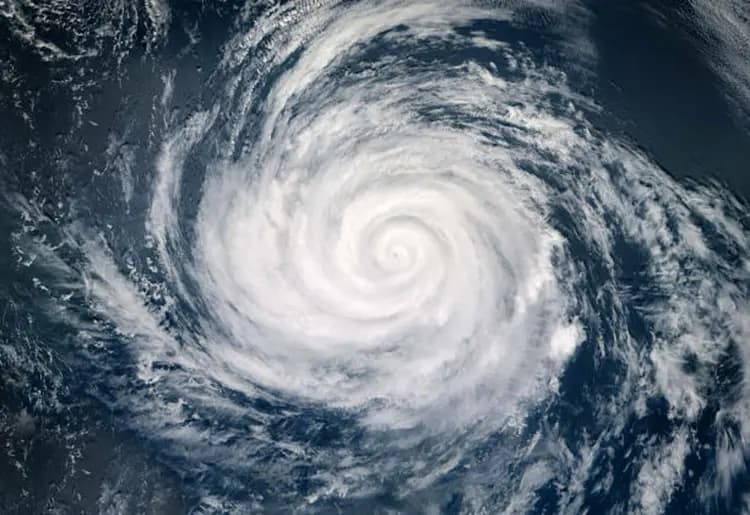
- Cyclone Ditwah affected Sri Lanka in November, leading to a national disaster with widespread flooding.
- Approximately 1.4 million people were affected; at least 474 fatalities reported.
- After impacting Sri Lanka, the cyclone re-entered the Bay of Bengal, causing heavy rains in North Tamil Nadu and South Andhra Pradesh.
Rainfall Statistics:
- Chennai recorded 18 cm of rain within 24 hours following the cyclone's passage, which led to severe flooding and waterlogging.
Infrastructure and Urban Planning:
- The Greater Chennai Corporation (GCC) has invested ₹5,200 crore over four years to enhance stormwater drainage with approximately 1,100 km of new drains.
- Three-fourths of drainage infrastructure upgrades have been completed, but isolated issues remain from incomplete repair of smaller drainage links, leading to persistent waterlogging.
Historical Context & Challenges:
- Chennai’s stormwater management has faced significant challenges since the devastating floods of 2015 and additional infrastructure improvements made since 2023.
- Urban layout (flat terrain and increased paved surfaces) and rivers (Kosasthalaiyar and others) exacerbate flooding during heavy rains.
Judicial and Legislative Oversight:
- The Thiruppugazh Committee was established post-2021 floods, producing a 600-page report with basin-wise flood management recommendations.
- The State government references this report for urban flood project funding but it remains largely unavailable to the public.
- No consolidated implementation plan or timeline is currently accessible for monitoring progress.
Essential Recommendations:
- State must publish the Thiruppugazh Committee report to enhance public transparency.
- Establishment of hazard maps and comprehensive coordinated efforts across the basin for effective flood management is crucial.
- Delivery of temporary solutions to manage immediate flooding needs, such as portable pumps, should coincide with ongoing infrastructure upgrades.
Summary of Infrastructure Gaps:
- There are notable inadequacies in the existing stormwater network capabilities to handle extreme weather patterns, which have prompted public frustration.
- Flood maps and elevation models for Chennai, while existing, lack integration into enforcement and relief measures.
Conclusion:
- The rain events highlight ongoing infrastructure and planning challenges in Chennai, indicating the need for transparency, better management strategies, and quicker response systems to prepare for future storms.
Key Terms & Concepts
| Cyclone Ditwah | National disaster causing flooding |
| Sri Lanka | Location affected by cyclone |
| Tamil Nadu | State affected by floods |
| Andhra Pradesh | State affected by rainfall |
| ₹5,200 crore | Amount spent on drainage improvements |
| 1,100 km | New drains added in Chennai |
| Thiruppugazh Committee | Committee for flood management recommendations |
| Integrated Urban Flood Management | Project seeking central funds |
| 2021 floods | Reference for improvement measures |
| Flood maps and elevation models | Existing resources for flood management |