iAspirants
Cyclone Ditwah Devastates Sri Lanka Communities
Published on:
Share this post
Article Summary
Cyclone Ditwah and Its Impact on Sri Lanka - Summary Notes
Disaster Overview:
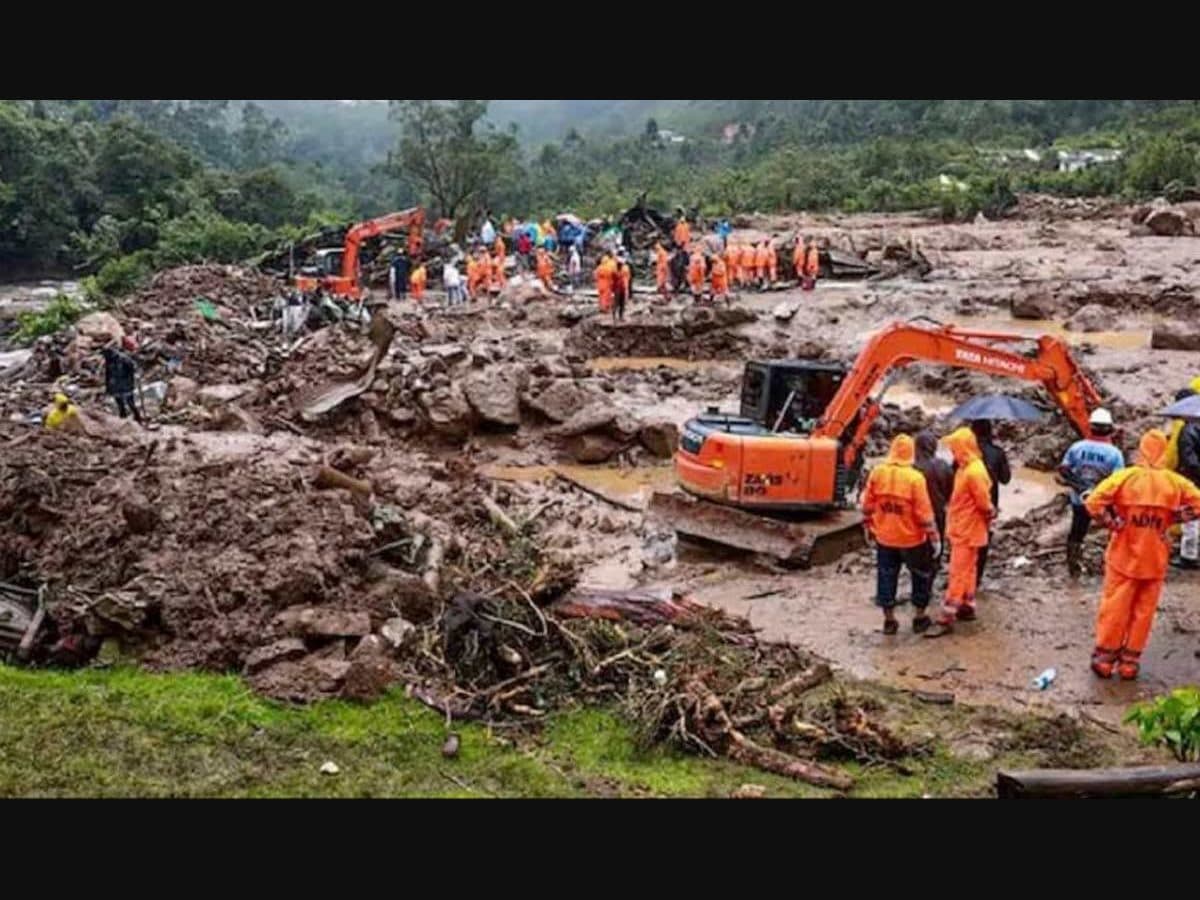
- Cyclone Ditwah struck Sri Lanka in late November, causing torrential rains, floods, and landslides.
- Kandy district recorded the highest death toll, with 237 fatalities among the total 643 across the island.
- At least 73 individuals reported missing in Kandy.
- Approximately 1,200 landslides triggered nationwide, with the UNDP assessing substantial destruction.
Humanitarian Crisis:
- Families displaced, with many decamped in Buddhist temples, facing shortages of essential services like piped water due to flood damage.
- Significant numbers affected: 5 lakh families and 17 lakh people, with an estimated 2.3 million living in flooded areas (10% of Sri Lanka's population).
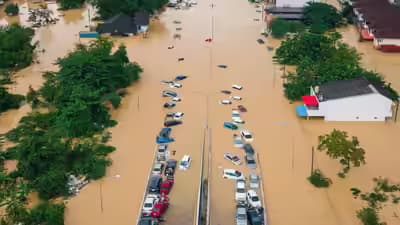
- UNDP's geospatial analyses revealed floodwaters inundating over 1.1 million hectares (20% of the land area).
Economic Impact:
- Over 300 roads and 40 key bridges reported damage—a monetary loss near LKR 75 billion (approx. ₹22 billion).
- Destruction of over 6,000 homes fully and approximately 1 lakh homes partially damaged.
- Impact on small businesses noticeable, particularly in Gampola, with significant losses in merchandise.
Socio-economic Vulnerability:
- The Malaiyaha Tamils, a marginalized group working in tea estates, face heightened vulnerability.
- Many workers have not been able to work, compounding financial instability. Previous promises of wage hikes and support remain unfulfilled.
- Historical discrimination has exacerbated the community's inability to recover post-disaster.
Government Response:
- President Anura Kumara Dissanayake has emphasized prioritizing housing and livelihoods in relief efforts.
- National Disaster Management Centre continues to assess risks of additional landslides.
- There are calls for a reconstruction plan that includes comprehensive support for smallholder farmers and fishers, crucial for food security.
International Aid and Economic Recovery:
- The UN aims to mobilize $35 million for recovery efforts, while Sri Lanka seeks an additional $200 million in borrowing from the International Monetary Fund amidst ongoing economic struggles.
- The government’s commitment to building back effectively is pivotal for public trust and future political stability.
Legal Framework and Obligations:
- The disaster response implicates the government’s responsibility under various international humanitarian laws and domestic frameworks for disaster management and human rights.
- Attention is needed towards equitable distribution of resources and support to marginalized communities.
Constitutional and Policy Aspects:
- The principles of social justice and equality, as espoused in the Constitution, particularly relevant in guiding recovery and support for impacted communities.
- A critical view of disaster preparedness and response highlights the need for strengthening social protection networks and inclusive policies.
Looking Forward:
- Transitioning from immediate rescue to long-term humanitarian and development assistance remains a challenge.
- The necessity for structural reforms in disaster management and economic policies is vital, particularly for socio-economically disadvantaged sectors.
- Continuous monitoring and a responsive approach toward marginalized communities, such as the Malaiyaha Tamils, are essential for sustainable recovery.
Final Note:
- Real recovery will hinge on effective engagement with affected citizens, ensuring their voices shape the rebuilding process—essential for both community resilience and national stability.
Key Terms & Concepts
| Cyclone Ditwah | Natural disaster affecting Sri Lanka |
| UNDP | Assesses cyclone's impact |
| Ceylon Electricity Board | Restores power services |
| Disaster Management Centre | Issues landslide warnings |
| LKR 75 billion | Estimated damage cost |
| 1,200 landslides | Incidents triggered by cyclone |
| 2.3 million people | Affected population by flooding |
| 6,000 homes | Fully damaged residences |
| 17 lakh people | Total affected individuals |
| 2022 | Year of Sri Lanka's bankruptcy |
| IMF | Lender restructuring debts |
| Food and Agriculture Organization | Highlights need for food security |
| 1.1 million hectares |