iAspirants
Cyclones and Floods Impact Southeast Asia
Published on:
Share this post
Article Summary
Summary of Research on Cyclones and Flooding in Southeast Asia
Key Facts & Figures
- Causative Events:
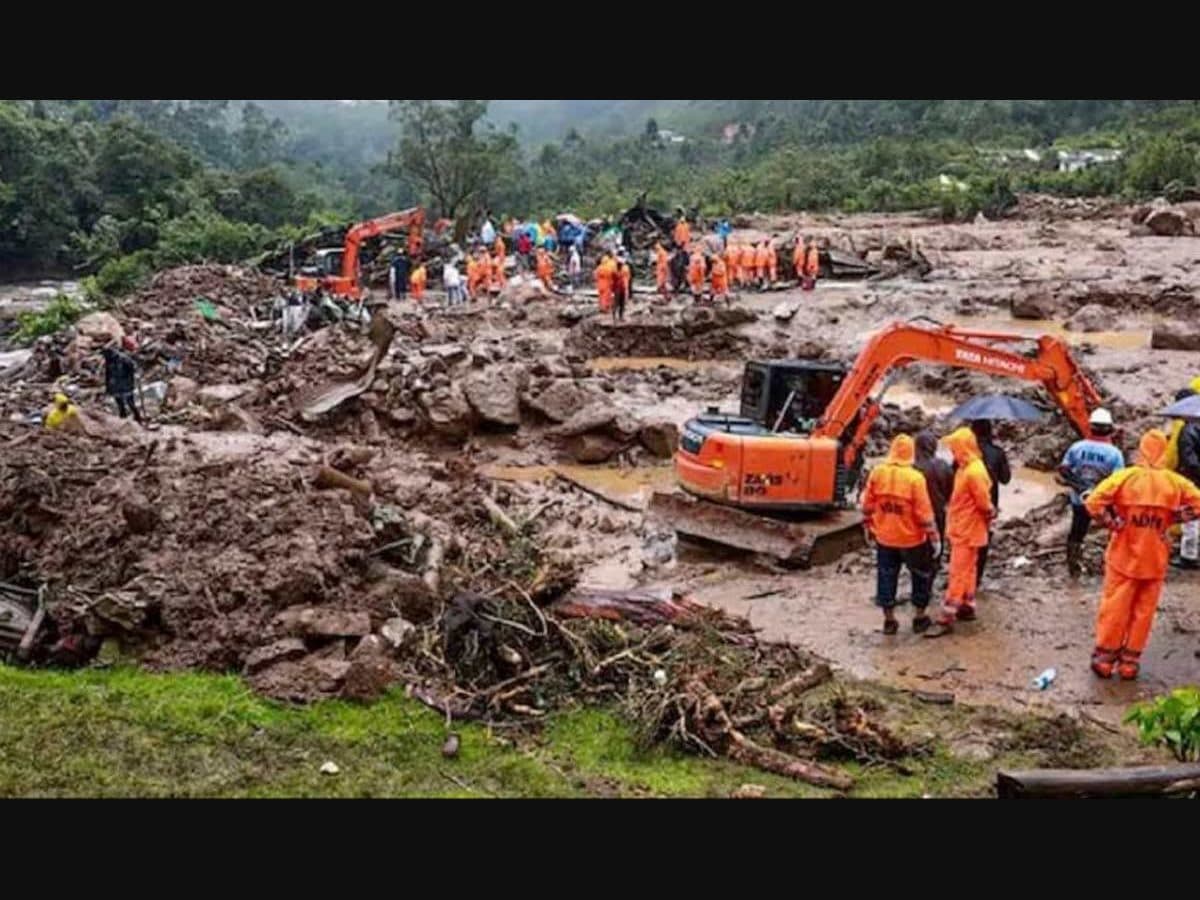
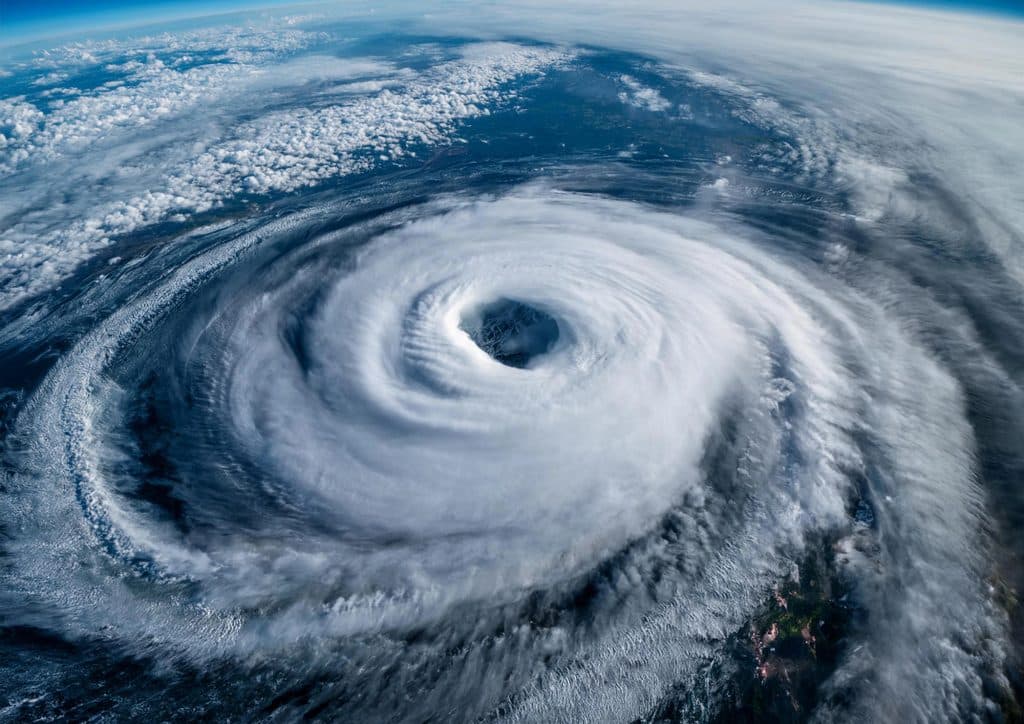
- Cyclones Ditwah and Senyar impacted Sri Lanka, Malaysia, Indonesia, and Thailand in late November.
- Resulted in at least 1,600 fatalities across the affected countries.
- Economic losses: Indonesia - $4.13 billion; Sri Lanka - $6 to $7 billion.
- Destruction included over 121,000 houses, bridges, health and educational facilities in Indonesia.
Study Overview
- Title: Increasing Heavy Rainfall and Extreme Flood Heights in a Warming Climate Threaten Densely Populated Regions.
- Published by: World Weather Attribution (WWA) group.
- Findings:
- Significant increase in rainfall intensity: 28% to 160% more intense heavy precipitation events observed in Sri Lanka.
- In the Malacca Strait region, extreme rainfall increased by 9% to 50%.
Climate Change Impact
- Global Temperature Rise: Earth has warmed by 1.3 degrees Celsius since the mid-1800s.
- For every 1-degree Celsius increase, the atmosphere can hold approximately 7% more moisture, thereby intensifying storms.
- Sea Surface Temperatures (SST) near the storms were 0.2 degrees Celsius higher than the 1991-2020 average, enhancing storm severity.
Environmental Factors
- Deforestation: Contributed to flooding by increasing surface runoff:
- Sri Lanka's forest cover decreased from 90% in 1900 to 20% in 2002 due to agricultural expansion and infrastructure projects.
- Indonesia lost 25% of its old forests due to palm oil production between 1991-2020, amounting to a 20% decline in tree cover since 2000.
- Rapid Urbanization: More people are living in flood-prone areas. Lack of risk-informed land-use planning exacerbates vulnerability.
Legal/Constitutional Context
- No specific constitutional articles or references were mentioned in the context of disaster response or environmental regulations within the article.
Government Schemes & Policies
- While specific schemes were not highlighted, the findings underscore the need for effective environmental management, urban planning, and disaster preparedness policies in the affected regions.
International Cooperation
- Climate change impacts are acknowledged as a global concern necessitating international agreements and cooperation to mitigate climate effects and prepare for extreme weather events.
Recommendations & Observations
- Emphasizes the need for strengthening infrastructure, enhancing disaster response measures, and addressing climate change through various national and international efforts.
Overall, the study highlights the correlation between climate change and increased storm severity, the importance of environmental conservation, and the role of effective governance in mitigating the impacts of natural disasters.
Key Terms & Concepts
| Cyclone Ditwah | Triggered floods in Sri Lanka |
| Cyclone Senyar | Triggered floods in Indonesia and Malaysia |
| World Weather Attribution (WWA) | Group conducting the study |
| 1.3 degrees Celsius | Increase in global temperature |
| 28% to 160% | Increase in heavy precipitation events |
| 9% to 50% | Increase in extreme rainfall in Malacca Strait |
| 600 deaths | Impact of Cyclone Ditwah in Sri Lanka |
| $4.13 billion | Economic losses in Indonesia |
| $6 billion to $7 billion | Economic losses in Sri Lanka |
| 137,000 acres | Agricultural land destroyed in Sri Lanka |
| 0.2 degrees Celsius | Higher SSTs during cyclones |
| 25% | Deforestation in Indonesia due to palm oil |