iAspirants
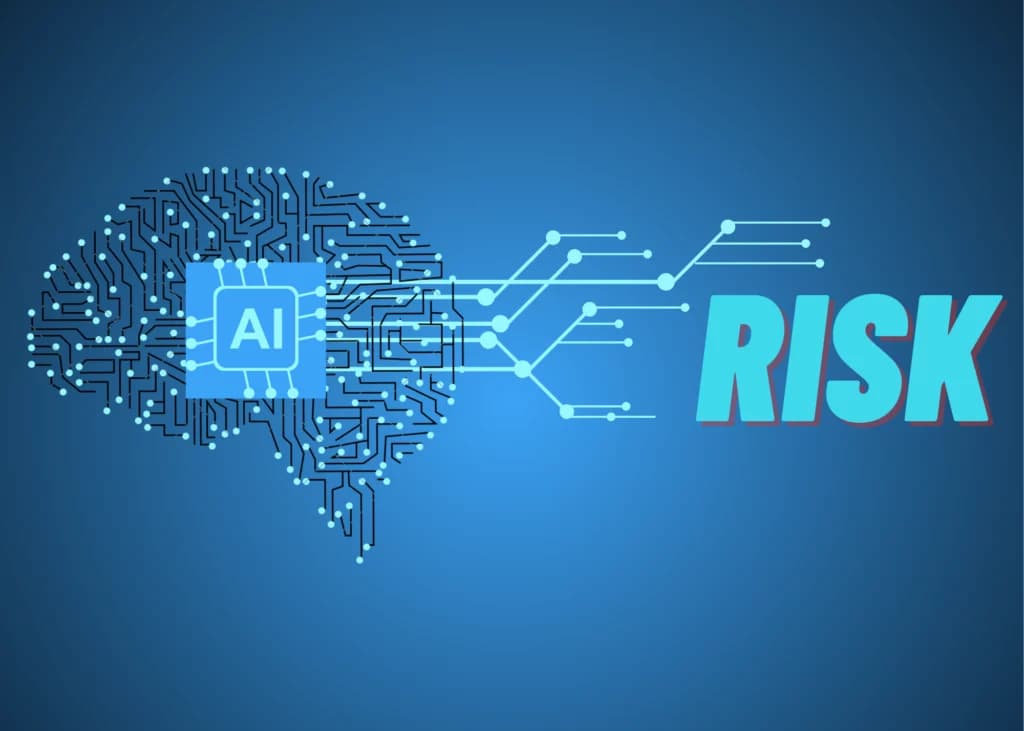
Debate on Artificial Intelligence Risks
Published on:
Share this post
Article Summary
Summary of Key Points on Artificial Intelligence (AI)
1. Technological Impact and Employment
- AI represents a significant technological revolution with both potential benefits (enhanced productivity) and risks (e.g., mass unemployment).
- Historical context: Technology has generally automated tasks, creating new employment rather than destroying jobs (e.g., the steam engine).
- Predicted outcome: AI will likely lead to a redistribution of labor, with existing jobs changing and new professions emerging. This transition will necessitate substantial investment in reskilling workers.
2. Concentration of Power
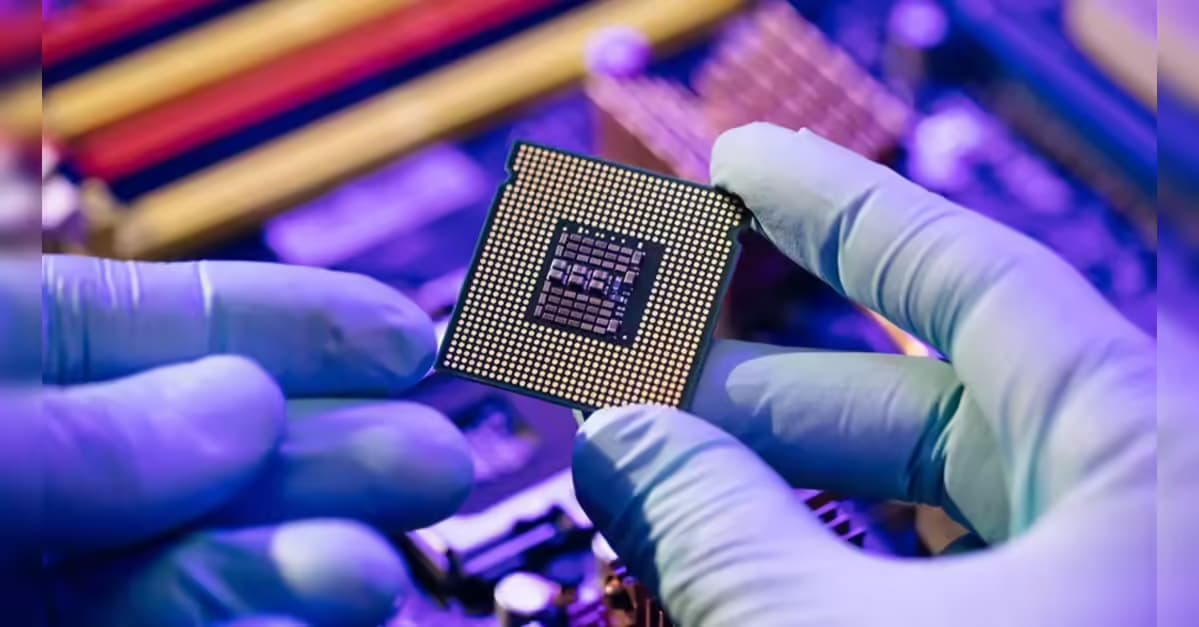
- AI development is capital-intensive, requiring significant investment in computing, energy, specialized talent, and proprietary data.
- Result: Concentrated ownership of AI capabilities among a few companies and countries, raising concerns over geopolitical stability and corporate influence.
- Historical parallels illustrate that concentration of resources often leads to geopolitical leverage and instability.
3. Artificial Wisdom and Misinformation
- AI's role is often misconstrued as generating knowledge; however, AI derives insights from pattern recognition in data, lacking real understanding and judgment.
- Risk of synthetic information generation by AI blurring the lines between fact and fabrication, leading to manipulation and misinformation.
- Increased reliance on AI for decision-making in organizations risks systemic issues, as AI outputs may be unverified and potentially misleading.
4. Need for Governance and Accountability
- Current AI systems lack clear legal liability structures, diverging from traditional products and their manufacturer responsibilities.
- Call for a new governance architecture to ensure responsible AI deployment and accountability—learning from past challenges faced with digital platforms like Meta Platforms.
- Importance of creating technical and institutional safeguards and pursuing global non-proliferation agreements for disruptive AI technologies.
5. Conclusion: Future Directions
- AI's integration into society demands careful governance to mitigate risks while harnessing its potential benefits.
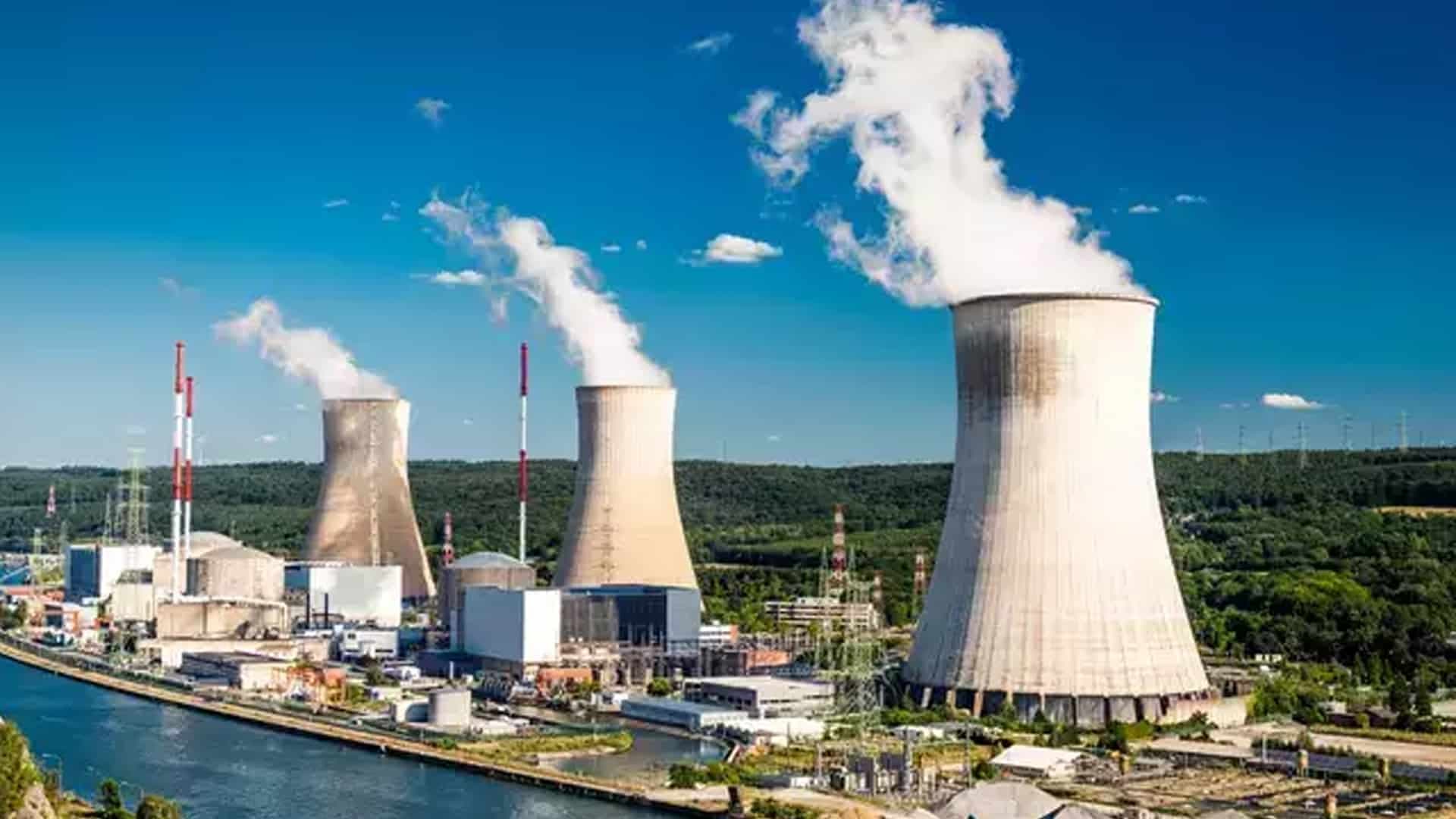
- Historical successes in managing substantial risks (e.g., nuclear non-proliferation) offer a hopeful precedent for navigating the challenges AI presents.
Relevant Policies and Frameworks
- Proposal for international treaties focused on AI development and deployment, echoing historic legal frameworks managing strategic resources.
- Emphasis on the development of institutional frameworks to guide ethical AI utilization to prevent misuse and protect societal interests.
Economic and Social Implications
- Potential displacement of jobs paired with significant opportunities for growth in AI-related fields.
- The necessity for educational reforms focusing on critical thinking and discernment to prepare society for increased AI integration.
Important Considerations
- Recognizing the dual nature of technology, where both opportunities and risks must be assessed comprehensively.
- Human expertise will be vital to validate and contextualize AI-generated information to prevent systemic misinformation and ensure responsible usage.
This summary underscores the multifaceted landscape surrounding AI, its potential impacts, necessary governance structures, and the importance of human oversight in an increasingly automated future.
Key Terms & Concepts
| Capital-intensive economics of AI | Requires substantial investments |
| AI-generated synthetic information | Can mislead and manipulate |
| Reskilling requirements | Essential for workforce transition |
| Meta Platforms lawsuits | Accountability for platform harm |
| Global non-proliferation agreement | Needed for disruptive AI |
| Strategic chokepoint | Potential geopolitical leverage |
| AI capabilities ownership | Highly concentrated resources |
| AI systems liability | Lacks clear accountability |
| Human expertise value | Critical in AI assessment |
| Historical precedence of resource concentration | Rarely produces stability |