iAspirants
Debate Over National Song Laws
Published on:
Source: The Hindu
Share this post

Article Summary
Exam-Focused Notes on National Song 'Vande Mataram' Legislation and Judicial Context
Constitutional & Legal Aspects
- Prevention of Insults to National Honour Act, 1971: Recently amended to incorporate 'Vande Mataram' as a song under criminal law.
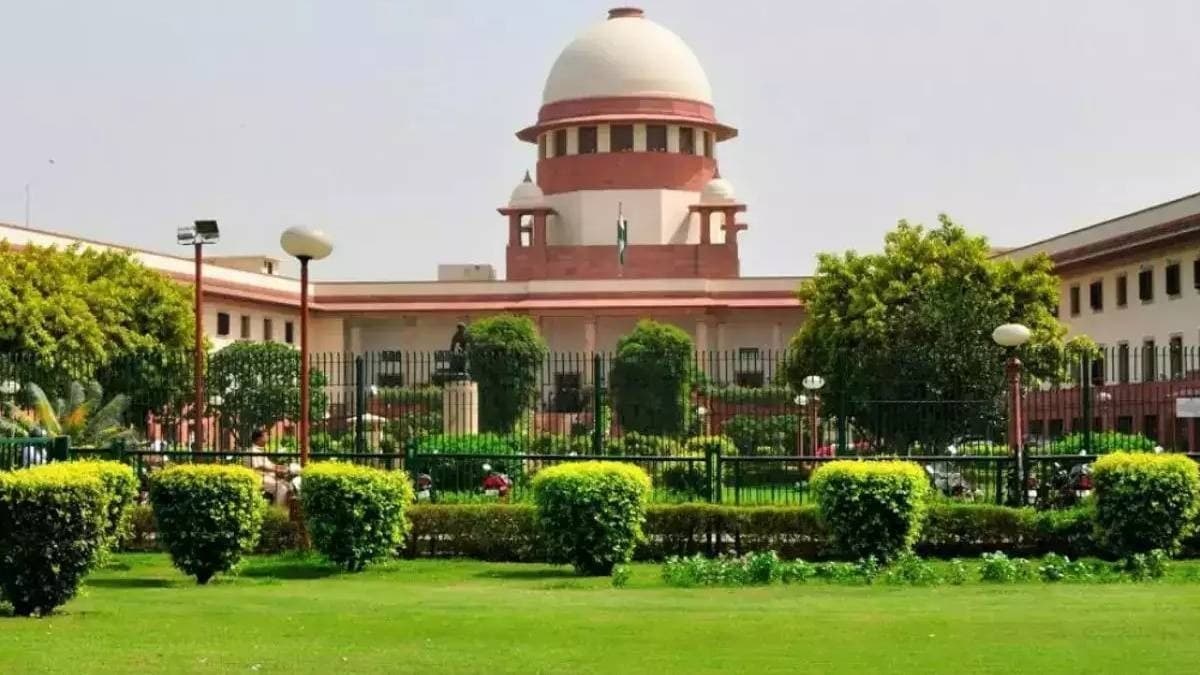
- Supreme Court Case: T.M. Krishna challenged the amendments; the court is set to review the implications of forcing adherence to the song. Justice Bagchi cited the Bijoe Emmanuel vs. State of Kerala ruling, asserting that a conscientious objector should not face criminal consequences for refraining from singing.
Key Legal Points
- Right to Dissent: The court emphasized that the state can decide the official version of the song, but individual rights to religious freedom and peaceful objection must be respected.
- Judicial Precedents & Interpretations: Justice Bagchi’s comments underscore that the law must protect individual liberties while balancing national sentiments.
Historical Background of 'Vande Mataram'
- Written by Bankim Chandra Chatterjee around 1875, the song celebrates India's landscape and cultural identity.
- The first two stanzas are acknowledged as universally representative of the motherland, whereas later stanzas invoke specific Hindu deities.
- The Indian National Congress in 1937 adopted only the first two stanzas amid communal sensitivities, a decision endorsed by key leaders like Rajendra Prasad and Vallabhbhai Patel.
Recent Developments
- In January 2026, the Home Ministry ordered that all six stanzas be sung at official functions, requiring attendees to stand at attention.
- The second order in July 2026 officially designated the six-stanza version as the National Song, placing it ahead of the National Anthem.
Judicial and Public Reactions
- The Supreme Court is yet to make a decisive ruling but is reviewing the balance between national identity and individual rights, as highlighted by public debates.
- The Solicitor General’s response highlighted concerns about associating dissent with extremist ideologies.
National Sentiments and Suggestions
- Proposal for 'Vaishnava Jana To': Suggested as India's National Prayer, indicating a more inclusive approach to national identity without compulsory singing or penalties.
- The argument emphasizes that genuine national sentiments cannot be legislated or enforced through coercion.
Economic and Demographic Context
- India's population stands at 1.4 billion, prompting discussions about the essence of national identity versus compulsory expressions.
- Inclusion Over Compulsion: The narrative advocates for a national culture that thrives on understanding and empathy rather than enforced adherence to symbols.
Summary of Views
- 'Vande Mataram' tests allegiance to the nation, while 'Vaishnava Jana To' is centered on moral conduct and mutual respect.
- The constitutional ideals promote equal treatment and respect for diverse expressions of citizenship.
Conclusion
Discussions surrounding 'Vande Mataram' and its legislative context encapsulate a broader dialogue about nationalism, individual rights, and respect for diverse cultural expressions in a pluralistic society. The ongoing judicial scrutiny reflects the need for a balanced approach to national symbols that honors both collective identity and personal freedoms.
Key Terms & Concepts
| Vande Mataram | National Song of India |
| Prevention of Insults to National Honour Act, 1971 | Legal framework for national song |
| Supreme Court of India | Judicial authority reviewing law |
| Justice Joymalya Bagchi | Commentator on national law |
| Article 14 of the Constitution | Right to equality |
| Article 51A | Fundamental duties of citizens |
| Gandhi Jayanti | Celebration of Mohandas Gandhi |
| Jana Gana Mana | National Anthem of India |
| 1.4 billion | Population of India |