iAspirants
Decreased Vessels in Strait of Hormuz
Published on:
Source: The Hindu
Share this post
Article Summary
Summary of Key Facts and Data Regarding Strait of Hormuz
Shipping Traffic and Incidents
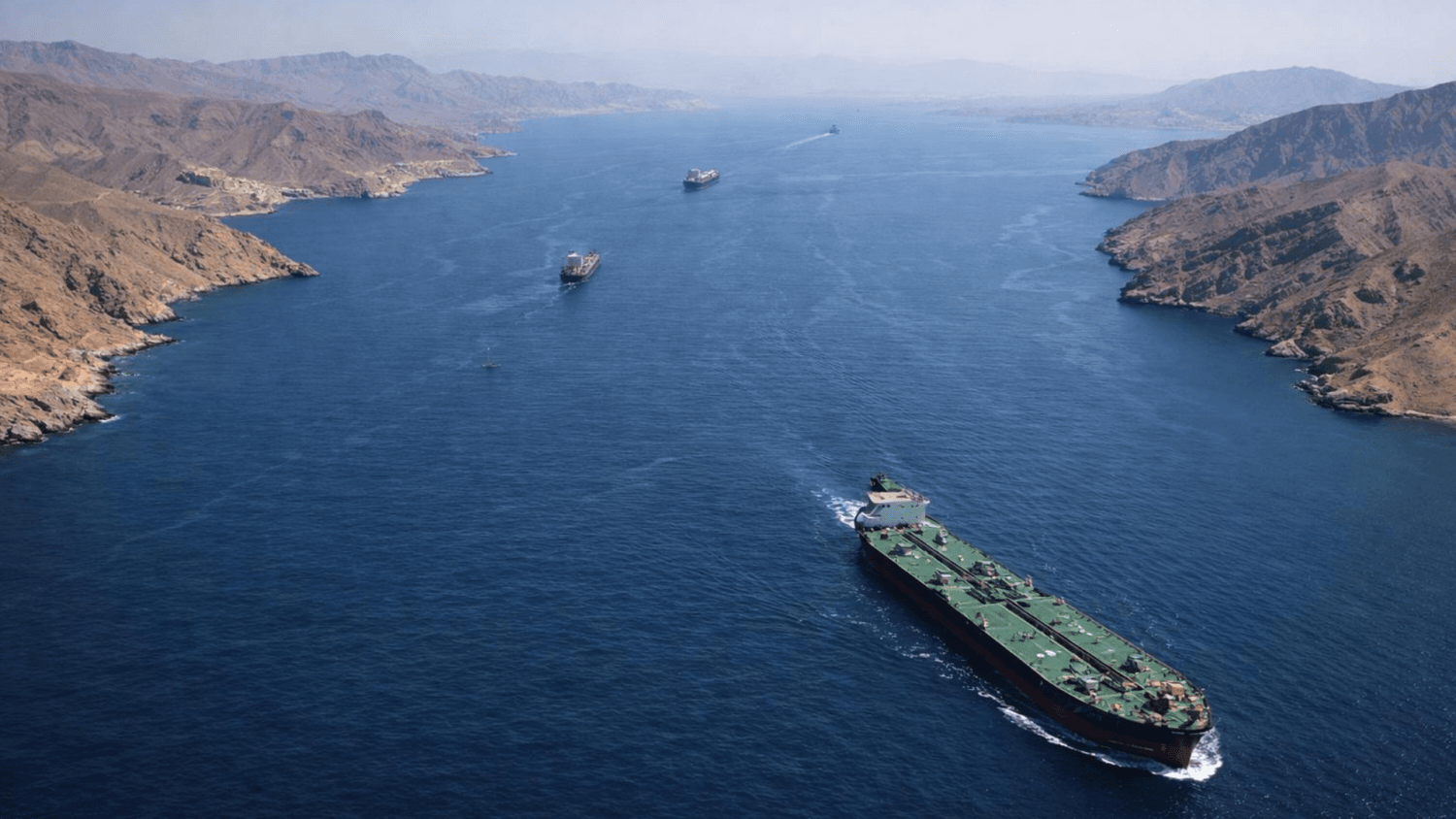
- The number of vessels transiting the Strait of Hormuz has dropped to seven on October 6, 2026, the lowest count since July 23, 2026.
- A spike in attacks on tankers occurred, reaching the highest weekly totals since the onset of the US-Israeli war with Iran.
- On October 6, crude oil transportation through the strait fell by 27%, averaging 10.1 million barrels per day, which represents 74% of pre-war levels.
- Ship-to-ship (STS) transfers in the Gulf of Oman decreased significantly.
- Vessels entering the strait outnumbered those exiting in the two days prior to October 7, 2026.
- Maritime security sources reported attacks reached the highest in any week since the Iran war began, with a notable incident involving a tanker struck 51 nautical miles north of Qatar.
Economic Indicators
- The shipping data indicates that before the Iran war's escalation on February 28, 2026, approximately 125 large commercial vessels traversed the strait daily.
- These vessels accounted for nearly 20% of global crude oil and liquefied natural gas supplies.
Regional Responses and Adjustments
- Exports from the Gulf of Oman coast and the Red Sea increased to 6.7 million barrels per day, more than twice the pre-war levels, compensating for reduced activity in the Strait of Hormuz.
- Overall crude exports from the Middle East have maintained pre-war levels despite disruptions.
Conclusion
The developments in the Strait of Hormuz reflect significant geopolitical and economic dynamics, particularly amidst heightened risks due to maritime attacks linked to the ongoing conflicts involving Iran. The data underscores the strategic importance of this waterway for global oil supplies and the adaptive responses of regional exporters in the wake of rising tensions.
Key Terms & Concepts
| Strait of Hormuz | Key maritime trade route |
| Kpler | Analytics firm providing data |
| 10.1 million barrels per day | Current crude oil crossing rate |
| 27% | Decrease in crude oil transit |
| 6.7 million barrels per day | Gulf of Oman crude export level |
| 125 large commercial vessels | Pre-war daily vessel count |
| United Kingdom Maritime Trade Operations | Agency tracking maritime incidents |
| Al Mafyar | Liquefied natural gas tanker |
| Ras Laffan, Qatar | Loading port for LNG tanker |
| October 6, 2026 | Date of reported statistics |