iAspirants
Current AffairsPrelims PYQsUPSC CSE SyllabusUPSC CSE StrategyBlogsPricing
Login
iAspirants

Your AI-powered companion for UPSC preparation.

Quick Links

  • Home
  • About Us
  • Current Affairs
  • Prelims PYQs
  • UPSC CSE Syllabus
  • UPSC CSE Strategy
  • Blogs

Company

  • Pricing
  • FAQs
  • Contact Us
  • Login

Legal

  • Privacy Policy
  • Terms & Conditions
  • Return Policy

© 2025 iAspirants, Inc. All rights reserved.

  1. Blogs
  2. National and International Importance

Defence PSUs Performance Review Meeting

Published on: 02-Sep-2026

Share this post

Defence PSUs Performance Review Meeting

Article Summary

Defence Public Sector Undertakings (PSUs) Review Highlights

  1. Ministerial Review:

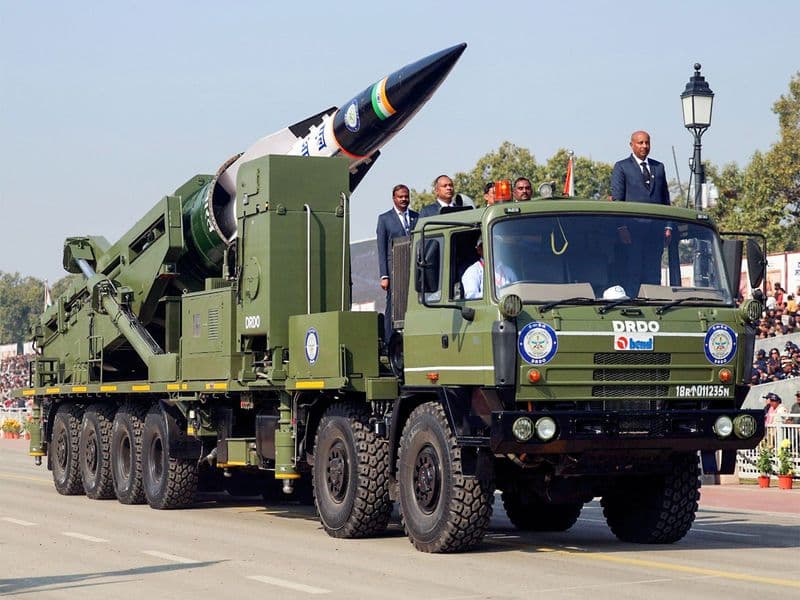
    • On September 1, 2026, Union Defence Minister Rajnath Singh conducted a performance review of all 16 defence PSUs.
    • Calls made for reducing import dependence, enhancing R&D capabilities, and ensuring the timely delivery of major projects.
  2. Performance Metrics:

    • Defence PSUs collectively contributed ₹1.29 lakh crore to India's total defence production of ₹1.8 lakh crore during 2025-26.
    • Dividend payout to the government: ₹3,951 crore presented by seven PSUs.
  3. Strategic Objectives:

    • Emphasis on developing a robust indigenous defence industrial base to support the vision of "Aatmanirbhar Bharat" (Self-Reliant India).
    • Urgency for timely delivery, reduction of import reliance, enhanced defence exports, and increased productivity through capital expenditure.
  4. Economic and Innovation Imperative:

    • Defence PSUs urged to convert R&D investments into technological leadership and improve product quality to meet international standards.
    • The importance of assured supply chains and surge production highlighted as national security necessities.
  5. Global Competitiveness:

    • Aiming for a transition where PSUs transform into globally competitive entities under the "Make in India, Make for the World" initiative.
    • Identification of niche technology areas to enhance self-reliance and global leadership potential in defence.
  6. Publications Released:

    • Four publications on themes such as self-reliance, indigenisation, innovation, and future defence capabilities have been launched.
  7. Policies and Governance:

    • Focus on supporting start-ups and micro, small, and medium enterprises (MSMEs) within the defence sector to foster innovation and growth.
    • Encouragement for establishing operational benchmarks that reflect tangible outcomes from R&D activities, such as new technology and intellectual property developments.
  8. Judicial & Constitutional Reference:

    • Not specifically mentioned, but implicitly ties to the constitutional responsibility to ensure national defense (Article 51).

These notes encapsulate the significant outcomes and strategic direction set by the Defence Minister for PSUs, reflecting India's commitment toward enhanced self-reliance and quality improvements in its defence manufacturing sector.

Key Terms & Concepts

Defence PSUsPublic Sector Undertakings
Rajnath SinghUnion Defence Minister
Sanjay SethMinister of State for Defence
Sanjeev KumarSecretary (Defence Production)
Hindustan Aeronautics LimitedDefence PSU
Mazagon Dock Shipbuilders LimitedDefence PSU
Bharat Electronics LimitedDefence PSU
Bharat Dynamics LimitedDefence PSU
Garden Reach Shipbuilders and Engineers LimitedDefence PSU
BEMLDefence PSU
MIDHANIDefence PSU
₹3,951 croreDividend cheque total
₹1.8 lakh croreDefence production amount

Mind Map for UPSC Civil Services Revision

Turn UPSC Civil Services Current Affairs Into Exam-Ready Notes

Reading National and International Importance current affairs is half the work. Revise them with ready-made notes and test what actually stuck.

  • Daily UPSC Civil Services current affairs analysis
  • Revision notes, mind maps & MCQs
  • Prelims mock tests with instant results

Related UPSC Civil Services Current Affairs Articles

Dengue Control Faces Staffing Crisis
National and International Importance02-Sep-2026

Dengue Control Faces Staffing Crisis

Summary of Dengue Control Challenges in Tamil Nadu

  1. Current Situation:

    • Over 40 of the 45 Health Unit Districts (HUDs) in Tamil Nadu have vacant District Entomologist posts.
    • Only 12 out of 60 sanctioned posts for Senior Entomologists are filled, leading to significant gaps in vector-borne disease control.
₹1.29 lakh croreContribution from Defence PSUs
Aatmanirbhar BharatSelf-Reliant India Initiative
Make in India, Make for the WorldTransformation objective
MSMEsMicro, Small and Medium Enterprises
Research and DevelopmentFocus area for Defence PSUs
Future defence capabilitiesFocus of released publications
  • Role of District Entomologists:

    • Critical for assessing mosquito density, breeding patterns, vector indices, and evaluating control measures.
    • Their absence jeopardizes scientific assessment and effective dengue control, leading to reliance on activity-driven methods rather than evidence-based approaches.
  • Vacancies and Recruitment Issues:

    • Vacancies have persisted since 2024-2025 due to a lack of eligible candidates for promotion.
    • The Tamil Nadu Public Health (DPH) proposed direct recruitment through the Tamil Nadu Public Service Commission (TNPSC) to fill 33 Senior Entomologist vacancies.
    • TNPSC conducted examinations in July 2025, but the final selection list remains pending due to ongoing court cases concerning grievances from candidates.
  • Impact of Climate Change:

    • Climate change is exacerbating the spread of vector-borne diseases such as dengue, malaria, chikungunya, and scrub typhus.
    • The impending northeast monsoon is expected to heighten the risk of seasonal diseases.
  • Urgent Recommendations:

    • The Tamil Nadu Public Health Entomologists Association has urged the government and TNPSC to expedite the resolution of pending court cases and release final results for recruitment.
    • Immediate filling of vacant posts is crucial for enhancing disease surveillance and control mechanisms.
  • Government Schemes and Policies:

    • No specific government schemes or policies mentioned regarding the recruitment of entomologists or dengue control initiatives.
    • The importance of strengthening technical manpower in public health to address vector-borne diseases was emphasized.
  • Judicial and Administrative Context:

    • Ongoing legal issues related to recruitment processes highlight the intersection of administrative efficiency and public health.
  • This summary encapsulates the critical issues surrounding dengue control in Tamil Nadu, emphasizing the need for immediate action to fill the vacancies and enhance public health infrastructure.

    Maharashtra Approves Drug Eradication Policy
    Polity and Governance02-Sep-2026

    Maharashtra Approves Drug Eradication Policy

    Maharashtra "Whole-of-Government Approach" Policy Overview

    Policy Goals:

    • Objective: Eradicate narcotic drugs from Maharashtra by 2029 as part of the ‘Drug-Free India Campaign’.
    • Focus on public awareness and stringent actions against drug use.

    Key Features:

    1. Implementation Framework:

      • Responsibilities assigned from village level to district, divisional, and Mantralaya levels.
      • Coordination required among all government departments with the Anti-Narcotics Task Force (ANTF).
    2. Educational Initiatives:

      • Introduction of drug awareness lessons in school curriculum starting from Class V in the academic year 2027.
      • Incentives for schools that engage in drug-awareness initiatives through the Chief Minister’s My School, Beautiful School – Phase 3 programme.
    3. Public Awareness Campaign:

      • A large-scale campaign will be initiated to raise public awareness about the dangers of narcotic drugs.
    4. Annual Awards and Evaluation:

      • The Higher and Technical Education Department will award the best-performing district on June 26 each year, evaluating performance from October 2 to April 30 for achieving drug-free status.

    Strategic Pillars of the Policy:

    1. Effective enforcement of drug-control measures.
    2. Significant reduction in the supply of narcotic drugs.
    3. Effective management of the demand for narcotic drugs.
    4. Provision for de-addiction, treatment, and rehabilitation for users.

    Department Responsibilities:

    • Revenue, Agriculture, and Forest Departments: Focused on curbing the supply of narcotic drugs.
    • Food and Drug Administration and Industries Departments: Responsible for actions against the illegal manufacturing of synthetic narcotics.

    Legal and Operational Aspects:

    • Permission for action against cultivation and farming of crops associated with the production of narcotics.
    • Governance framework to oversee the production, transportation, sale, and consumption of both natural and synthetic narcotic substances.

    Context and Significance:

    • This policy aligns with broader government initiatives to combat drug abuse and is part of larger national strategies to address narcotic drugs systematically through education, enforcement, and rehabilitation.

    Conclusion: This comprehensive strategy demonstrates Maharashtra's commitment to implementing a multifaceted response to the drug crisis, combining education, law enforcement, and public health approaches. The emphasis on collaboration across government departments marks a significant shift towards a unified and concerted effort in tackling drug-related issues in the state.

    Historic Achievement for Women in Air Force
    National and International Importance01-Sep-2026

    Historic Achievement for Women in Air Force

    • Historical Achievement: Air Vice Marshal Shakti Sharma became the first woman (non-medical) officer to achieve the rank of Air Vice Marshal in the Indian Armed Forces, marking a significant milestone for women in defense.

    • Position Held: She assumed the role of Assistant Chief of Air Staff (Education) at Air Headquarters on September 1, 2026.

    • Career Background: Shakti Sharma joined the Indian Air Force's Education Branch on June 18, 1994. She brings extensive experience from various critical positions at training centers, regional air force bases, command headquarters, and air headquarters.

    • Key Contributions: Throughout her career, she has led several important institutional initiatives, including the establishment of the Indian Air Force's 'Chairs of Excellence' at IIT Kanpur and Pune University to promote academic and strategic defense cooperation.

    • Pioneering Role in Education: Shakti Sharma made history as the first woman officer to command a military school, serving as the Principal of Sainik School Kapurthala.

    • Inspiration for Future Generations: With over three decades of distinguished service, she continues to inspire future generations to aim high with the motto “Shan Se Aasman Chuo” (Touch the sky with pride).

    • Significance: This achievement adds a new chapter to the journey of women officers in the Indian defense forces, highlighting the progressive inclusion of women in leadership roles within the military.

    India-Germany Environmental Cooperation Forum
    National and International Importance01-Sep-2026

    India-Germany Environmental Cooperation Forum

    Exam-Focused Notes on India-Germany Environmental Forum

    Event Overview:

    • Fourth India-Germany Environment Forum (IGEF) held in New Delhi, co-chaired by Indian Minister for Environment, Forest and Climate Change Bhupender Yadav and German Environment Minister Carsten Schneider.
    • Established in 2008, IGEF serves as a high-level bilateral platform for environmental policy discussions between India and Germany.

    Key Themes and Discussions:

    • Emphasis on integrated and collaborative solutions to environmental challenges like climate change, biodiversity loss, pollution, and resource scarcity.
    • The theme for the forum was "United for Greater Resilience," underscoring the need for strong cooperation towards climate-resilient, resource-efficient, and sustainable development.

    Government Schemes and Commitments:

    • India is consistently meeting its commitments under the Nationally Determined Contributions (NDCs), showcasing progress in environmental transformations.
    • The potential of India’s circular economy is highlighted, with projections of generating over in market value and creating approximately by 2050.
    UN Committee Reviews India's Discrimination Issues
    National and International Importance31-Aug-2026

    UN Committee Reviews India's Discrimination Issues

    • International Commitments: India ratified the International Convention on the Elimination of All Forms of Racial Discrimination in 1968.

    • Concerns from U.N. CERD: In its first review since 2007, the U.N. Committee on the Elimination of Racial Discrimination (CERD) expressed "grave concern" regarding:

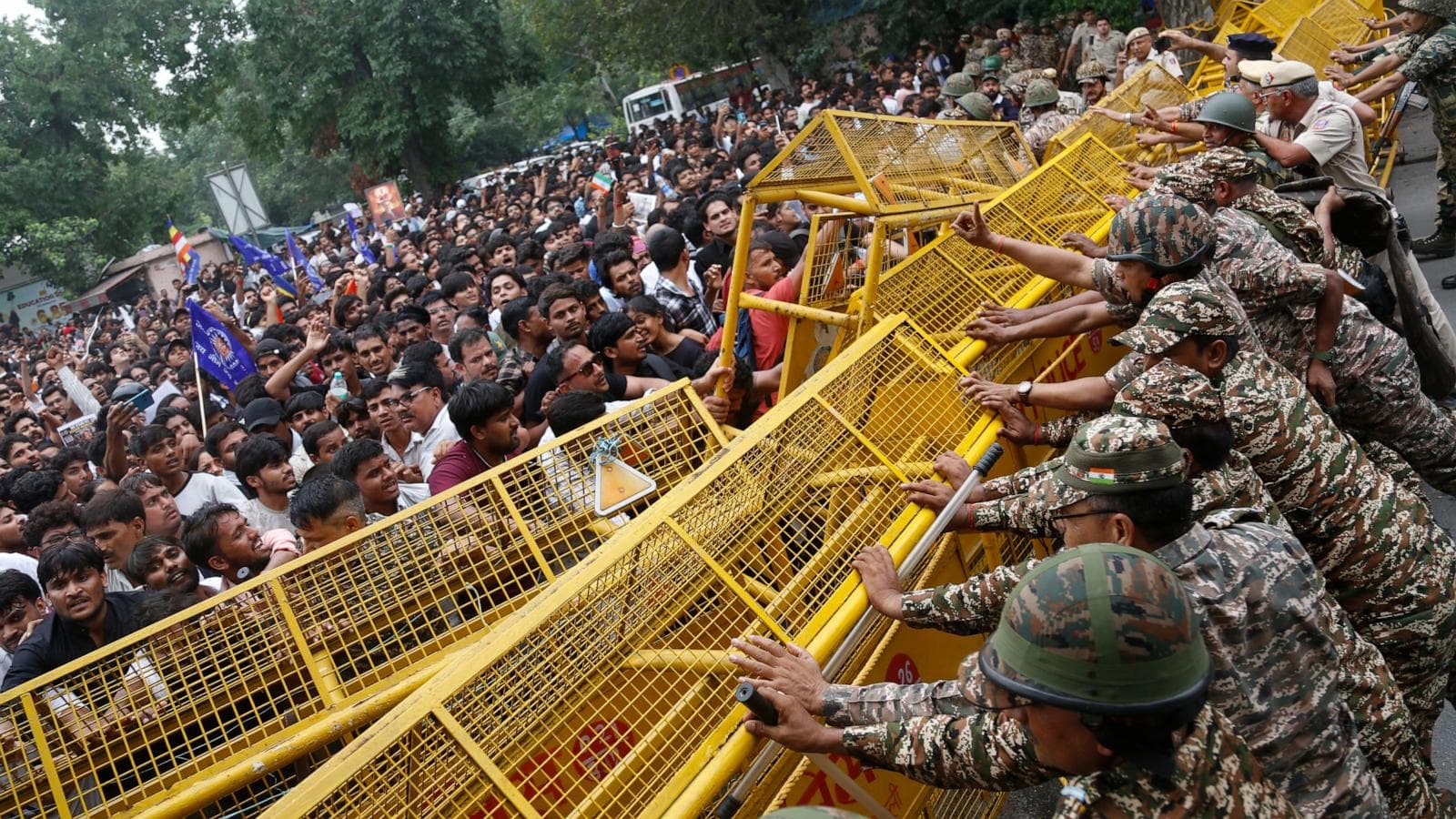
      • Violence Against Minorities: Reports of law enforcement using violence against minority ethnic groups, Dalits, and non-citizens.
      • Caste Discrimination: The Indian government's assertion that caste bias does not fall under Article 1 of the convention has been countered by CERD, which recognizes various forms of discrimination based on inherited status.
    • Legal Framework Issues:

      • Concerns about the practice of manual cleaning of sewers despite existing legislation banning it.
      • The absence of explicit criminalization of racist hate speech under the Bharatiya Nyaya Sanhita.
      • The Forest (Conservation) Amendment Act, which allows exemptions for "national security" projects from consultative decision-making processes.
    • Rights of Rohingya Muslims: Issues surrounding poor living conditions, hate speech, and mass refoulement of Rohingya Muslims were highlighted.

    • Census and Data Issues:

      • The delay in conducting a Census and slow release of NCRB data has hindered independent checks on India’s claims regarding caste- and faith-based discrimination.
      • The government’s reliance on 2011 Census data could obscure the socio-economic regression of Scheduled Tribes and Adivasis.
    • Recommendations for Improvement:

      • Restoration of National Human Rights Commission (NHRC) independence.
      • Criminalization of hate speech.
      • Supportive affirmative action measures.
      • Collection and publication of disaggregated data.
      • Improvement of transparency regarding electoral roll revisions.
    • Government's Stance:

      • The government attempted to classify the issues affecting 200 million Dalits as domestic matters to circumvent international accountability.
      • Dismissal of CERD’s concerns as politically motivated suggests a trend towards minimizing international oversight on human rights issues.
    • Civil Society Role: The responsibility for advocacy and maintaining pressure on the government has largely fallen to civil society groups, especially in multilateral platforms to address discrimination practices.

    • Legislative Tools Cited:

      • FCRA: Foreign Contribution Regulation Act.
      • UAPA: Unlawful Activities (Prevention) Act.
      • AFSPA: Armed Forces Special Powers Act.
      • PMLA: Prevention of Money Laundering Act.

    These issues reinforce the ongoing challenges facing India in addressing discrimination and protecting the rights of marginalized communities, alongside the need for greater transparency and accountability in governance.

    $2 trillion
    10 million jobs

    International Agreements:

    • India and Germany signed a Joint Declaration of Intent (JDI) focusing on the conservation and sustainable use of internationally significant wetlands, aimed at strengthening scientific understanding and sharing best practices in wetland management.

    Judicial and Policy Frameworks:

    • The forum called for enhanced decision-making based on knowledge and evidence to address climate, biodiversity, and resource efficiency.
    • The need for innovation, clean energy, and suitable policy frameworks to reduce carbon emissions in energy-intensive sectors like steel, cement, and chemicals was emphasized.

    Economic Indicators:

    • India’s G20 presidency highlighted the establishment of an industry coalition for resource efficiency and circular economy, aiming to integrate these topics into global economic discussions.
    • The collaboration between India and Germany is expected to enhance economic resilience and facilitate the transition to low-carbon, resource-efficient, and climate-resilient economies.

    Science and Technology Updates:

    • The rapid expansion of renewable energy in India, including solar panels and wind turbines, was noted as a model for other regions.
    • Collaboration in green technology, energy storage, green hydrogen, energy efficiency, and sustainable manufacturing was discussed to leverage opportunities in green transition.

    Bilateral Relations:

    • Both nations celebrated 75 years of diplomatic relations, reinforcing their commitment to sustainable development that aligns economic growth with environmental concerns.
    • The forum facilitated a platform for policymakers, private sector representatives, thinkers, and stakeholders to discuss challenges, solutions, and opportunities in low-carbon industries, biodiversity in wetlands, mountains, and forests, and sustainable finance.

    Environmental and Biodiversity Focus:

    • The forum addressed the importance of biodiversity in various ecosystems and the role of wetlands in climate adaptation and resilience.
    • Discussions also included ways to enhance community participation and develop restoration strategies for wetlands.

    Conclusion:

    • The India-Germany Environmental Forum represents a significant step towards fostering international cooperation in environmental sustainability, with a focus on practical approaches and capacity building to address pressing global environmental issues.