iAspirants
Delhi High Court Ruling on Semaglutide
Published on:
Share this post
Article Summary
Delhi High Court Ruling on Drug Patent Case
Judicial Ruling:
- The Delhi High Court refused an interim injunction from Novo Nordisk against Dr Reddy’s Laboratories (DRL), allowing DRL to continue the production and export of its semaglutide drug. This indicates judicial support for generics in the pharmaceutical industry.
Key Points of the Case:
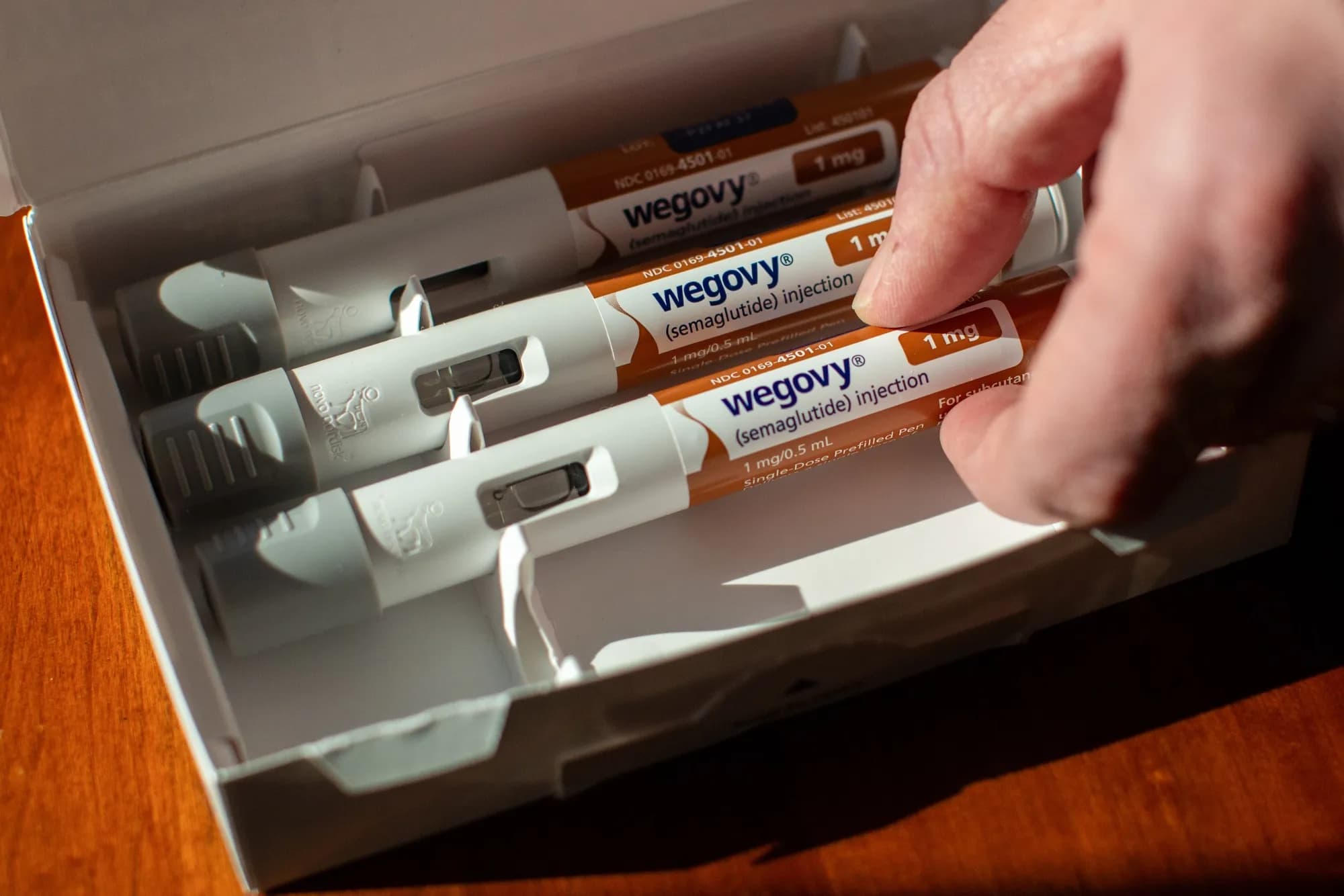
- Background: Novo Nordisk claimed DRL had infringed on its patents by manufacturing and selling a generic version of semaglutide, an active pharmaceutical ingredient (API) used in treatments for Type 2 diabetes and obesity.
- Patent Details:
- Patent No. 275964: Covers the basic composition of semaglutide, filed in March 2006 and set to expire in September 2024.
- Patent No. 262697: Covers formulations that enhance the stability and delivery of semaglutide, filed in March 2007 and expiring in March 2026.
Court Findings:
- The court upheld DRL's challenge to Novo Nordisk’s second patent as prima facie valid, suggesting the formulation lacked innovative steps and therefore, potentially violated Section 3(d) of the Indian Patents Act, 1970, which prohibits "evergreening."
Economic Context:
- The global market for diabetes and obesity treatments has become increasingly profitable. Companies such as Eli Lilly are also developing competing products.
- A report by IQVIA highlighted that numerous companies are preparing for trials on semaglutide in India, sensing market opportunities upon patent expirations.
Implications:
- This ruling is viewed as a favorable outcome for generic drug manufacturers, potentially leading to increased competition and reduced prices in the diabetes drug market.
- Over 10 companies have submitted applications for conducting Phase III studies for semaglutide, indicating a burgeoning interest in producing this API as it becomes off-patent.
Future Prospects:
- With the expiration of Novo Nordisk’s patents approaching, generic formulations of semaglutide could expand access to treatment for many patients globally, particularly in key markets like Canada, China, Brazil, and Turkey, where a significant percentage of adults are affected by obesity.
Constitutional Reference:
- Indian Patents Act, 1970: Specifically mentions Section 3(d) prohibiting the evergreening of patents, which was a focal point in the court's decision.
Summary
The Delhi High Court's ruling marked a pivotal moment for generic pharmaceutical manufacturers in India, supporting competition in the lucrative diabetes and obesity market. The implications of the case extend beyond immediate economic interests, with potential impacts on global health access and patent law enforcement reflecting a balancing act between innovation and public interest.
Key Terms & Concepts
| Novo Nordisk | Pharmaceutical company holding patents |
| Dr Reddy’s Laboratories | Manufacturer of semaglutide |
| semaglutide | Active pharmaceutical ingredient |
| Indian Patent No. 275964 | Patent for composition of semaglutide |
| Indian Patent No. 262697 | Patent for specific formulations |
| Section 3(d) of Indian Patents Act, 1970 | Prohibits evergreening of patents |
| Central Drugs Standard Control Organization | Regulatory body clearing drug for market |
| GLP-1 drugs | Class of drugs for diabetes and obesity |
| IQVIA report | Report on drug market potential |
| Canada, China, Brazil, Turkey | Countries with potential generic market |