iAspirants
Delhi's Pollution Crisis and Climate Change
Published on:
Share this post

Article Summary
Environmental Situation in India
Air Quality and Pollution
- Air Quality Index (AQI): On November 12, 2025, Delhi recorded a severe AQI of over 400, marking the air quality as distinctly unbreathable.
- Protests: On November 9, citizens of Delhi protested against deteriorating air quality, with many being detained.
Environmental Disasters
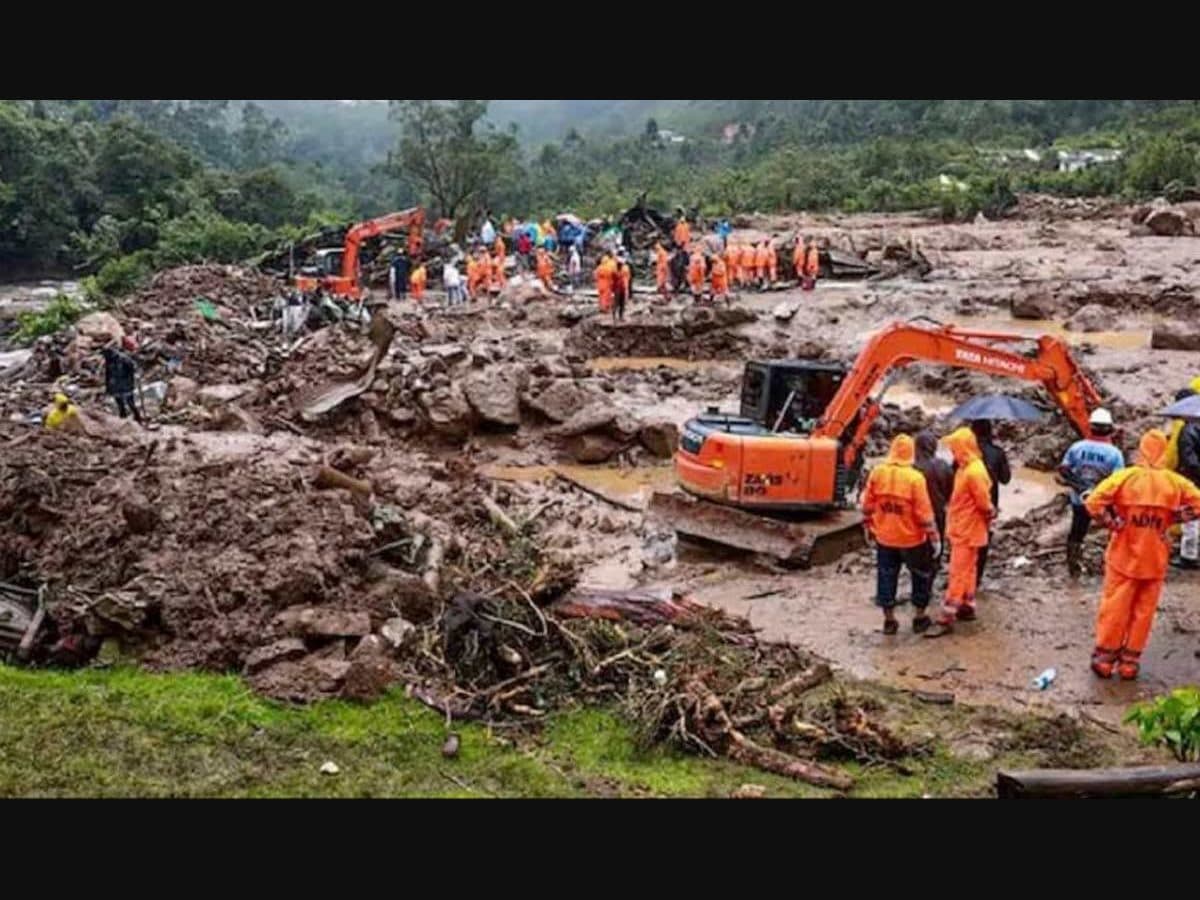
- Flash Floods in Uttarkashi: In August 2025, flash floods occurred in Uttarkashi due to a glacial lake burst, reminding many of the 2013 Kedarnath tragedy where over 6,000 died due to a similar disaster.
- Acid Rain Research: A study by the India Meteorological Department (IMD) indicated that rainwater in parts of India has become increasingly acidic over three decades.
Climate Change and Attribution Science
- Climate Attribution Science: This field estimates how climate change alters the intensity or frequency of extreme weather events. Models compare real-world data with a hypothetical world without climate change.
- Attribution Accuracy: Heat waves' attribution is more precise than that of extreme rain events.
- Research Findings: Utah State University linked the 2013 Kedarnath floods to climate change impacts on rainfall patterns in northern India.
Pollution Sources and Impacts
- Primary Emission Sources: Point sources (e.g., power plants) contribute to significant emissions, while non-point sources (e.g., vehicles, agriculture) are more dispersed.
- Acid Rain in Dhanbad: Research indicated rain with a pH of 5.37 in Dhanbad, associating it with emissions from coal mining.
Technological Advances in Climate Monitoring
- Satellite and Modelling Advances: Increasing model resolution and the ability to track emissions through satellites enhance the accuracy of climate attribution.
- Cyclone Prediction Improvements: The IMD has enhanced forecasting models, resulting in reduced fatalities from cyclones.
Legal Aspects and Climate Justice
- Per-Capita Emissions: Proposals advocate for greenhouse gas emission entitlements based on population equity to address climate justice.
- Liability for Emissions: A paper published in Nature discussed the potential for legal accountability for fossil fuel companies in relation to climate damage.
India's Climate Policy and Progress
- Future Projections: India contributes less than 6% to global cumulative CO2 emissions and has made strides in renewable energy, especially solar and wind. The focus, however, is on sustainable long-term plans.
- Material Availability Issues: A bottleneck in battery production materials presents challenges for advancing renewable energy initiatives.
Conclusion
- The interplay between pollution, climate change, and legal accountability is increasingly relevant as India navigates its environmental policies and commitments amidst ongoing challenges from air quality and natural disasters.
Key Terms & Concepts
| Delhi Air Quality Index (AQI) | Recorded severe pollution level |
| November 12 | Date of pollution peak |
| India Meteorological Department (IMD) | Released weather study |
| Glacial Lake Burst | Cause of Uttarkashi floods |
| 2013 Kedarnath Floods | Historical environmental disaster |
| 1º C | Temperature increase since pre-industrial |
| Acid Rain | Environmental pollution indicator |
| Visakhapatnam | Location of acid rain studies |
| Coal City of India | Dhanbad's nickname due to pollution |
| Environmental Monitoring and Assessment (2007) | Study on precipitation composition |
| Nature | Published legal attribution paper |
| Utah State University | Research on Kedarnath floods |