iAspirants
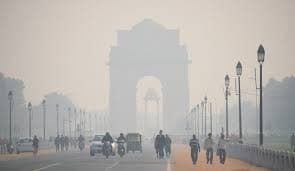
Delhi's Winter Air Pollution Crisis
Published on:
Share this post
Article Summary
Air Quality Crisis in Delhi: Key Facts & Insights
Pollution Issues
- Air Quality Deterioration: Each year, post-Diwali, PM2.5 levels spike due to various factors including firecrackers and stubble burning.
- Health Impact: Significant increases in respiratory distress and hospital admissions for children immediately following the festival.
Behavioral Dynamics
- Tragedy of the Commons: A psychological phenomenon where individual acts (e.g., lighting crackers, stubble burning) accumulate to create a larger social problem.
- Cultural Practices: Current practices during festivals have intensified, moving from simple fireworks to large-scale explosives, with a prevailing attitude of celebrating unrestricted.
Legal & Enforcement Framework
- Existing Regulations: Bans on firecrackers and deadlines for stubble-burning are in place but often ignored.
- Enforcement Gaps: Inconsistent application of laws leads to a culture of non-compliance. Visible enforcement, such as real-time fines and monitoring, could cultivate an adherence to pollution norms.
Historical Context & Successful Models
- Indore's Waste Segregation Success: Community pride and competition transformed waste management behavior, suggesting similar tactics could improve air quality compliance.
Cultural Shift Requirements
- Rethinking Celebrations: Innovative alternatives to traditional firework displays are necessary, such as drone shows and light festivals, to rejuvenate the celebratory spirit without environmental degradation.
- Children as Change Agents: Engaging school children in campaigns like "Green Deepavali" can motivate families to adopt eco-friendly practices.
Crisis Management Measures
- Drones and Technology: Proposals for using drones for monitoring pollution and deploying real-time pollution reports can enhance public compliance.
- Redefining Celebrations: Cities can recreate communal celebrations that are environmentally friendly, rather than toxic, focusing on communal identity tied to clean air.
Calls to Action
- Civic Responsibility: It’s imperative to foster a sense of responsibility towards the environment among citizens, and shift perspectives about celebration linked to health and air quality.
- Community Engagement: Facilitating community participation through innovative and joyful alternatives can replace existing harmful practices.
Conclusion
Deliberate changes in behavior coupled with strong enforcement of existing laws, community engagement, and celebrating without pollution can significantly ameliorate Delhi's air quality crisis. This winter, the question to reflect upon is the pursuit of joy without compromising the air quality necessary for public health, especially for children.
Key Terms & Concepts
| PM2.5 | Pollutant measurement index |
| Deepavali | Festival increasing pollution |
| firecrackers | Source of air pollution |
| stubble-burning | Agricultural practice impacting air quality |
| drone shows | Proposed pollution-free celebration |
| Indore | City with successful waste segregation |
| Green Deepavali campaigns | School initiative for eco-awareness |