iAspirants
Current AffairsPrelims PYQsUPSC CSE SyllabusUPSC CSE StrategyBlogsPricing
Login
iAspirants

Your AI-powered companion for UPSC preparation.

Quick Links

  • Home
  • About Us
  • Current Affairs
  • Prelims PYQs
  • UPSC CSE Syllabus
  • UPSC CSE Strategy
  • Blogs

Company

  • Pricing
  • FAQs
  • Contact Us
  • Login

Legal

  • Privacy Policy
  • Terms & Conditions
  • Return Policy

© 2025 iAspirants, Inc. All rights reserved.

  1. Blogs
  2. National and International Importance

Deterioration of Basra War Memorial

Published on: 23-Sep-2026

Share this post

Deterioration of Basra War Memorial

Article Summary

Exam-focused Notes on Basra War Memorial and the Mysore Lancers

Historical Context

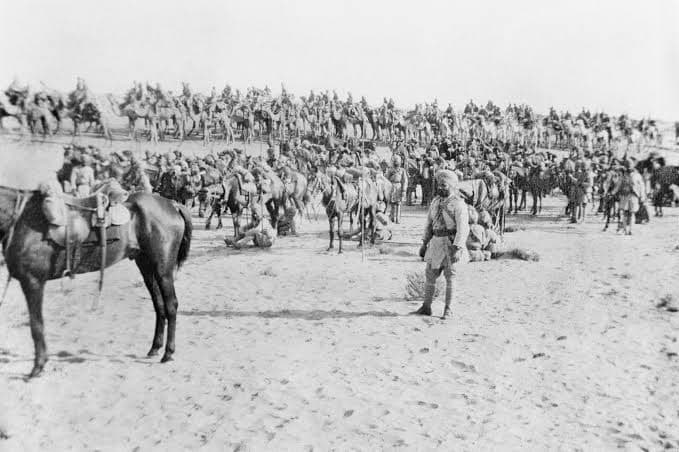
  • Basra War Memorial: Built to honor 40,500 Commonwealth service personnel who died during the Mesopotamian Campaign (WWI: 1914–1921), including a significant number of Indian soldiers.
  • Mysore Imperial Lancers: Key participants in World War I, noted for their role in battle strategies, including the Liberation of Haifa on September 23, 1918.

Recent Developments

  • Tombstone Destruction: Recent reports indicate the destruction of at least 3,000 tombstones at the Basra War Memorial.
  • Families of deceased soldiers are actively seeking public assistance to document the destruction and preserve the memory of the fallen.

Contributions of the Mysore Lancers

  • The Lancers were originally part of the Indian Expeditionary Force, tasked with guarding the Suez Canal from 1915-1917, and later engaged in conflicts against Ottoman and German forces.
  • Their notable actions in trying conditions, lacking modern weaponry, highlight the courage displayed during the capture of positions held by the enemy.

Key Battles and Rescues

  • Liberation of Haifa: Significant for overcoming Ottoman defenses with sheer bravery and rudimentary weaponry, with the Lancers playing a critical role.
  • Rescue of Abdu’l-Baha: The Indian forces, including the Mysore Lancers, were involved in the successful rescue operation of Abdu’l-Baha, a prominent religious figure.

Research and Historical Documentation

  • Book by Anil Raje Urs: "Mysore Lancers - Valour in the World War I" provides insights from palace records into the journey of the Mysore Lancers and traces several families connected to the war.
  • A total of 15 families linked to the Mysore Lancers have been identified, with ongoing efforts to uncover more names and accounts.

Commemoration and Recognition Issues

  • The Commonwealth War Graves Commission has acknowledged inaccuracies in memorial records relating to Indian soldiers. Efforts are ongoing to compile an accurate list of the names of those commemorated, as reflected in the CWGC’s Iraq Roll of Honour.

Constitutional and Legal Context

  • While there are no direct constitutional references in this summary, the historical significance and commemorative aspects reflect India's legacy and its role in global conflicts, which can be further related to the principles of recognition and respect for sacrifices made by soldiers as espoused in national narratives.

Summary

The Basra War Memorial and the sacrifices of the Mysore Lancers highlight the important yet often overlooked contributions of Indian soldiers in WWI. Given the new findings on the destruction of their memorials, continued advocacy for historical accuracy and remembrance is essential to honor their legacy and ensure that their contributions are not forgotten.

Key Terms & Concepts

Basra War MemorialMemorial for Commonwealth soldiers
Mesopotamian CampaignConflict during World War I
40,500Number of service personnel died
Mysore Imperial LancersIndian soldiers in WWI
Haifa Liberation DayCommemoration of military victory
September 23, 1918Date of Haifa liberation
3,000 tombstonesDestruction reported in Basra
The Commonwealth War Grave CommissionOrganization documenting war graves
Iraq Roll of HonourList of commemorated soldiers
Abdu’l-BahaRescue during Haifa conflict

Mind Map for UPSC Civil Services Revision

Turn UPSC Civil Services Current Affairs Into Exam-Ready Notes

Reading National and International Importance current affairs is half the work. Revise them with ready-made notes and test what actually stuck.

  • Daily UPSC Civil Services current affairs analysis
  • Revision notes, mind maps & MCQs
  • Prelims mock tests with instant results

Related UPSC Civil Services Current Affairs Articles

Assessment of MSC Elsa 3 Wreck
National and International Importance23-Sep-2026

Assessment of MSC Elsa 3 Wreck

Key Points on MSC Elsa 3 Wreck Case

Judicial Context

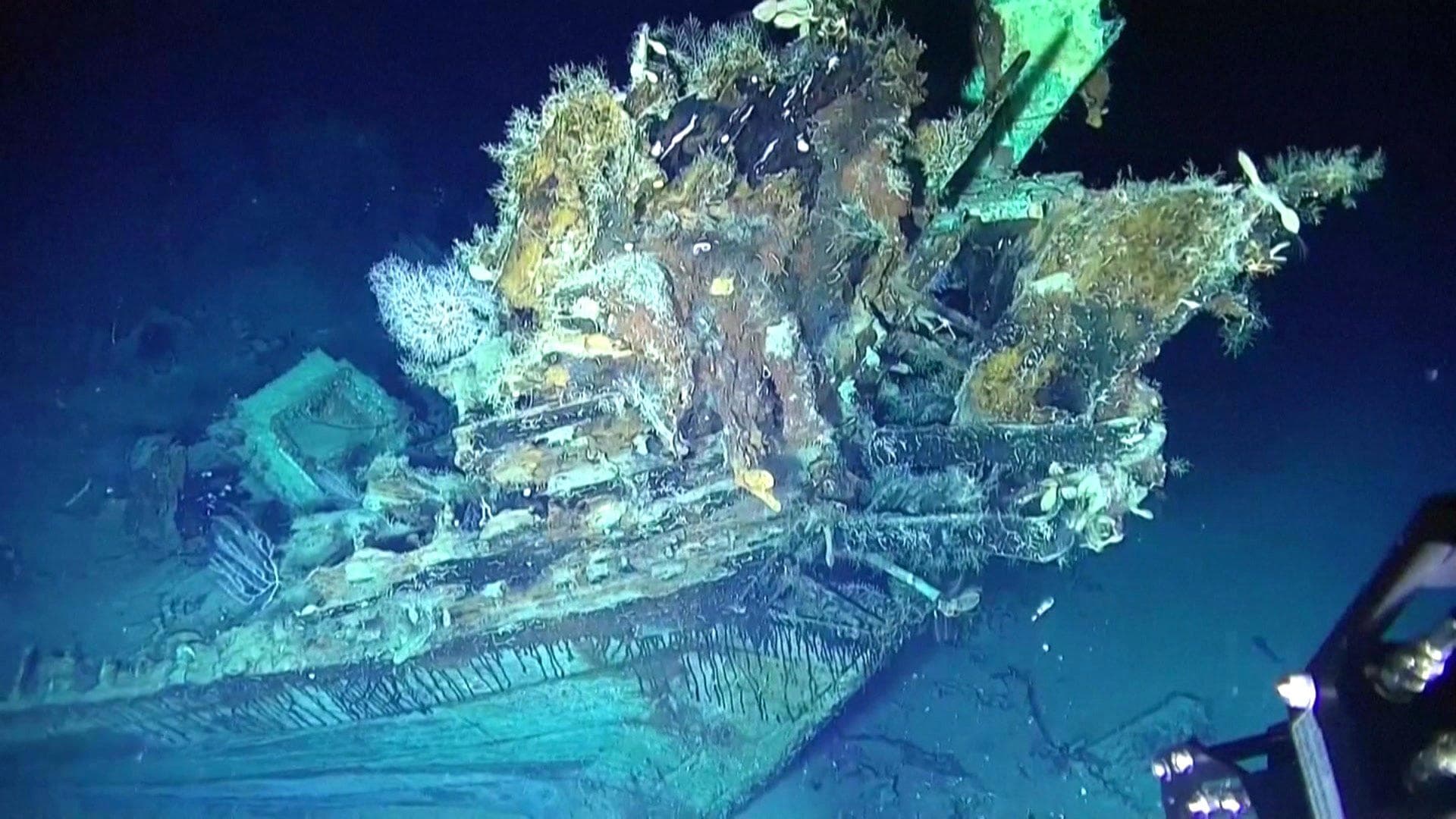
  • The Kerala High Court is hearing public interest litigations (PILs) regarding the removal of the wreck of MSC Elsa 3, a Liberia-flagged ship that sank off Alappuzha's coast in 2025.
  • The Division Bench consists of Justices V. Raja Vijayaraghavan and K.V. Jayakumar.

Maritime Administration Involvement

  • Directorate General of Maritime Administration (DGMA) informed the court about steps taken to assess the wreck's situation.
  • DGMA requested assistance from the Indian Navy to perform an underwater survey of the submerged containers and hazardous cargo.

Technical Surveys

  • Two Indian firms, C Track Surveys and Fugro Survey India Pvt. Ltd., have the technical capabilities to conduct multibeam and side scan surveys of the wreck site.
  • The costs of the proposed surveys are to be borne by Mediterranean Shipping Company (MSC), supervised by competent authorities.

Committee Proposal

  • A proposal for the constitution of an inter-departmental committee to oversee the survey consists of:
    • Ministry of Ports, Shipping and Waterways
    • Mercantile Marine Department
    • Ministry of Environment, Forest and Climate Change
    • Kerala State Disaster Management Authority
    • Scientific and technical institutions like the National Institute of Oceanography and National Institute of Ocean Technology.

Responsibilities Under Relevant Laws

  • According to the Merchant Shipping Act, 2025, the case involves assessing if the wreck poses a hazard based on factors such as:
    • Characteristics of the wreck
    • Tidal range & depth in the area
    • Proximity to protected areas, shipping routes, offshore pipelines, and tourist spots
    • Meteorological conditions & sensitive sea areas.

Impacts & Public Interest

  • The court hearings focus on the potential hazards to the marine environment and local fishing communities and the need for responsible handling of hazardous materials from the wreck.
  • Affected fishermen have sought compensation for impacts stemming from the wreck.

Conclusion

The proceedings highlight the intersection of maritime law, environmental protection, and public safety in maritime incidents, demonstrating the role of various governmental bodies and the legal framework guiding the response to maritime hazards.

Indian Army to Launch AASHVAST Labs
National and International Importance21-Sep-2026

Indian Army to Launch AASHVAST Labs

Exam-Focused Notes on AASHVAST Labs Implementation by Indian Army

  1. AASHVAST Lab Overview:

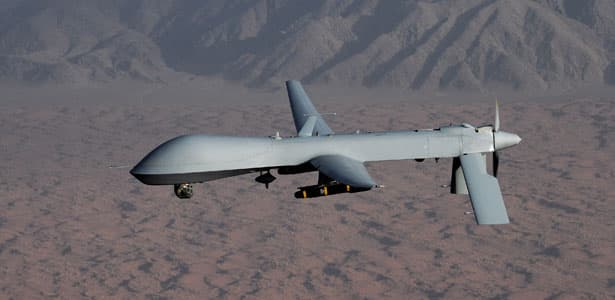
    • Full form: Assessment and Analysis of Electronic Systems Hardware for Vulnerabilities and Security Threats.
    • Purpose: To ensure drones and CCTV cameras undergo inspections for firmware vulnerabilities to enhance operational efficiency and security in contested areas.
  2. Operational Details:

    • Six labs to be established; one inaugurated in Delhi.
    • Aimed at evaluating drones, with expansion plans for future inclusion of CCTV systems.
  3. Development and Support:

    • Developed by QuickPay Pvt Ltd for the Directorate General of Electronics and Mechanical Engineering (DG EME).
    • Aligned with the national vision of Atmanirbhar Bharat (self-reliant India) to bolster the domestic defense ecosystem.
  4. Technology and Vulnerabilities:

    • The suite identifies approximately 14 types of vulnerabilities, including:
      • Geospatial malfunctions affecting location-based operations.
      • Issues from unused and hidden codes causing premature drone termination.
      • Time/location bugs impacting functionality at specific times or geographies.
    • Focus on preventing enemy interference and ensuring drones operate effectively without foreign vulnerabilities.
  5. Cyber Resilience and Security:

    • AASHVAST labs enhance cyber resilience for critical defense platforms.
    • They will check for foreign-origin components—especially from China—in a push to eliminate dependency on these parts for national security.
  6. Regulatory and Strategic Adjustments:

    • In 2025, the Army Design Bureau proposed a framework to the Ministry of Defence targeting the removal of Chinese components from UAVs.
    • Previous prohibition on using Chinese parts by domestic military drone manufacturers due to national security concerns.
  7. Judicial and Policy Implications:

    • The Indian Army emphasizes stringent checks to prevent misrepresentation of foreign parts as indigenous, safeguarding against both operational failures and potential espionage threats.
  8. Potential Impact:

    • The initiative represents a significant advancement in India’s defense capabilities, contributing to operational readiness and enhancing domestic manufacturing standards in defense technology.
    • Ensuring that drones meet stringent security protocols impacts national defense strategy and geopolitical stability, particularly along eastern borders.
  9. Future Considerations:

    • Continuous monitoring and upgrading of inspection protocols as technology evolves.
    • Collaboration with domestic tech firms to innovate and strengthen drone technology against both cyber and physical threats.

These notes provide a comprehensive understanding of the AASHVAST initiative, reflecting its strategic importance, technological intricacies, and implications for India’s defense posture.

Protection of Traditional Indian Crafts
National and International Importance21-Sep-2026

Protection of Traditional Indian Crafts

Exam-Focused Summary on Intellectual Property and Traditional Crafts

Cultural Context and Challenges:

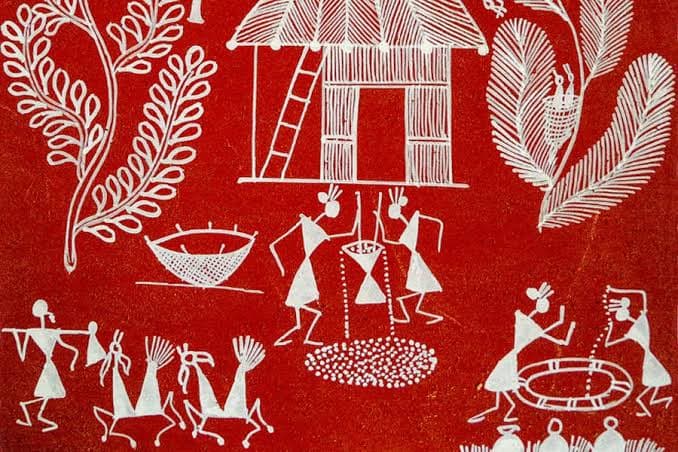
  • Traditional Indian crafts like Kolhapuri chappals and aari embroidery are being appropriated by luxury fashion brands (e.g., Ralph Lauren, Fendi) without recognition of their cultural origins.
  • There exists a fundamental contradiction in intellectual property law: intellectual property is territorial, but culture is not.

Intellectual Property Issues:

  • Traditional crafts often lack identifiable legal ownership; they are collectively developed and passed down through generations.
  • Geographical Indication (GI) Act: This act allows communities to protect names and origins of their crafts but doesn’t cover every aspect of a craft (e.g., motifs, designs).
  • Article 1 and Article 3 of the GI Act: Provide rights to registered proprietors to defend and seek relief against infringement; however, the practical exercise of these rights requires organized community representation.

Economic Disparities and Legal Framework:

HAL Delivers Advanced Aircraft to IAF
National and International Importance17-Sep-2026

HAL Delivers Advanced Aircraft to IAF

Exam-Focused Notes

Key Facts and Data:

  • Date of Event: September 18, 2026
  • Location: Bengaluru, Karnataka
  • Participants:
    • Defense Minister: Rajnath Singh
    • Civil Aviation Minister: K. Ram Mohan Naidu
    • Chief of Air Staff: Air Chief Marshal A.P. Singh
    • Other senior officials from the Ministry of Defence, Ministry of Civil Aviation, HAL, and regulatory agencies.

Constitutional References:

  • Self-Reliance in Defence: The event aligns with the constitutional commitment to promote self-reliance and indigenous capabilities in defense and aerospace sectors, reflecting the Directive Principles of State Policy (DPSP) to promote self-sufficiency.

Government Schemes and Policies:

  • Atmanirbhar Bharat (Self-Reliant India): This initiative emphasizes the development of indigenous capabilities in various sectors, particularly in defense and aerospace.
  • Indigenous Design and Development: The government prioritizes the promotion of indigenous design, development, and manufacturing in the aerospace and defense sectors to reduce dependence on foreign sources.

Defense Equipment Transferred:

  1. Light Combat Aircraft (LCA) Tejas:
    • Type: Twin-Seater Trainer
  2. HTT-40:
    • Type: Basic Trainer Aircraft
  3. Dhruv Next Generation (NG) Helicopter:
    • Transferred to Pawan Hans Limited (PHL)

Economic Indicators:

  • Impact on Domestic Aerospace Ecosystem: The transfer of these aircraft is expected to strengthen the domestic aerospace ecosystem, enhancing industrial capabilities and promoting economic growth within the sector.

International and National Importance:

  • Strengthening Defense Capabilities: The event marks a significant milestone in India's journey towards self-reliance in defense manufacturing, showcasing the country's growing capabilities in designing and producing advanced platforms for both civilian and military use.

Science and Technology:

  • Advancements in Aerospace Technologies: The event is indicative of the advancements in aerospace technologies and reflects the increasing role of the industry in national defense.
  • Role of HAL: Hindustan Aeronautics Limited (HAL) plays a crucial role in the design, development, and production of defense and aerospace platforms, highlighting the importance of public sector undertakings in achieving self-reliance.

Summary:

The handover of the LCA Tejas twin-seater trainer, HTT-40 basic trainer aircraft, and Dhruv NG helicopter on September 18, 2026, in Bengaluru is a pivotal moment for India's defense sector, reinforcing the government’s commitment to self-reliance through indigenous manufacturing and development in aerospace. This initiative is part of the Atmanirbhar Bharat policy, aimed at reducing dependence on foreign technology and enhancing domestic capabilities. The event will be attended by key officials from various ministries and represents a significant step in India's defense manufacturing journey.

  • There is a significant imbalance in resources between traditional communities and multinational corporations, leading to exploitation.
  • Suggestions for a specialized legal framework or sui generis laws aimed at traditional cultural expressions are proposed. This could address:
    • Community representation.
    • Mandatory attribution for usage of their crafts.
    • Fair economic benefit-sharing when commercializing traditional knowledge.

Documentation and Preservation:

  • The challenge of documenting traditional knowledge is recognized. Care must be taken not to overly restrict sacred or secret knowledge.
  • A digital registry could aid in documenting motifs, techniques, and custodianship, potentially increasing legal protection against appropriation.

Judicial and International Considerations:

  • World Intellectual Property Organization (WIPO) is in negotiations to create international frameworks addressing these appropriation issues.
  • 2024 WIPO treaty: This will cover genetic resources and traditional knowledge, indicating a shift in international IP law towards recognizing rights of communities in traditional crafts.

Cultural and Economic Rights:

  • Protection mechanisms should allow artisans to maintain cultural practice and development while preventing unauthorized commercial exploitation by luxury brands.
  • Proposals include giving communities a formal legal identity, enabling protected rights, asking for fair acknowledgment, and benefiting economically from their cultural heritage.

Conclusion and Future Prospects:

  • The balance between encouraging the evolution of traditional crafts and preserving their authenticity is crucial. Legal frameworks must support communities in monitoring and enforcing their rights without hindering the natural flow of artistic evolution.
  • The recognition of community custodianship could better appreciate traditional crafts while assuring fair participation in their commercial success, integrating economic empowerment with cultural preservation.

Key Takeaways:

  • Recognition of traditional craftsmanship is critical in preventing cultural misappropriation.
  • Effective legal frameworks and community engagement are necessary for the protection of cultural heritage.
  • Ongoing international dialogues, such as those at WIPO, highlight the complex relationship between traditional knowledge and modern IP law.