iAspirants
Diplomatic Highlights from BRICS Summit
Published on:
Share this post
Article Summary
Summary of New Delhi Declaration 2026 and BRICS Context
BRICS Overview
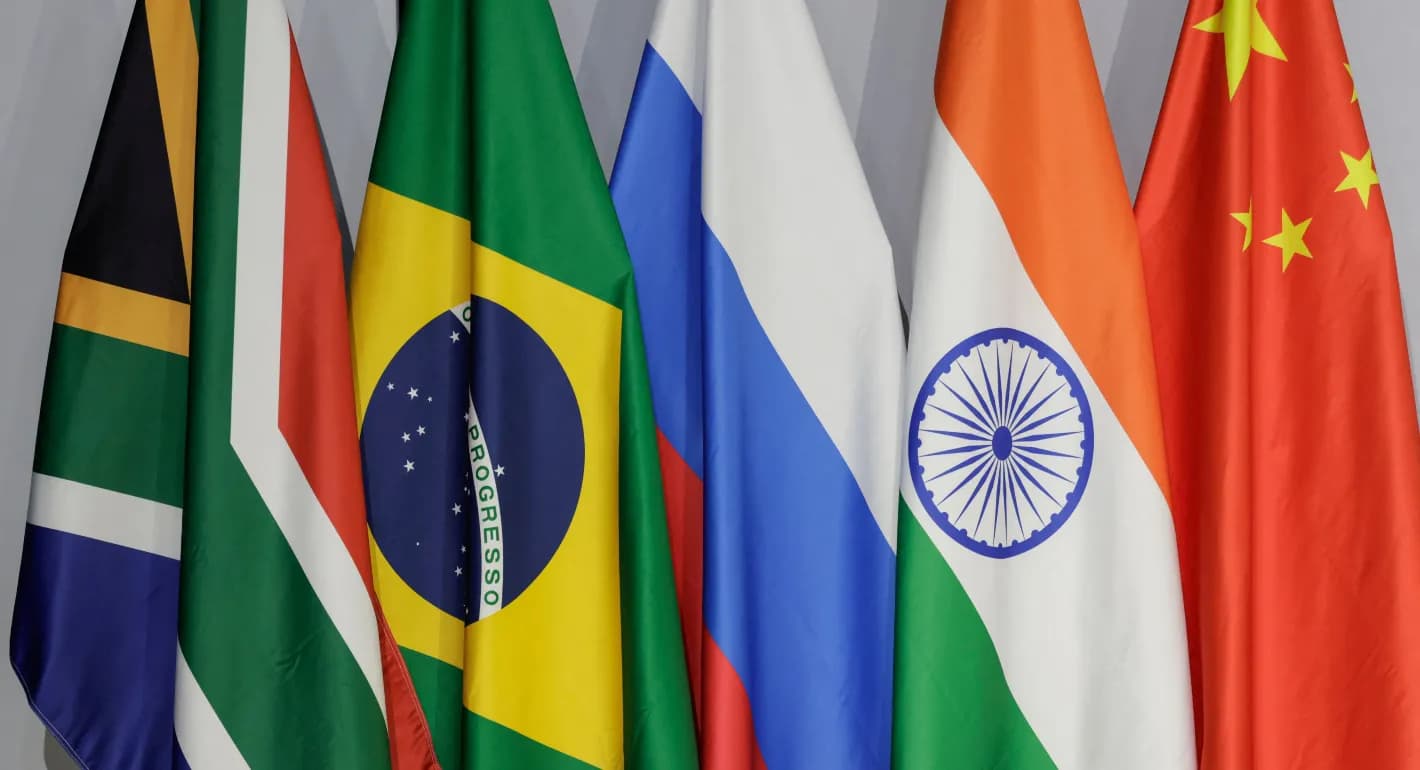
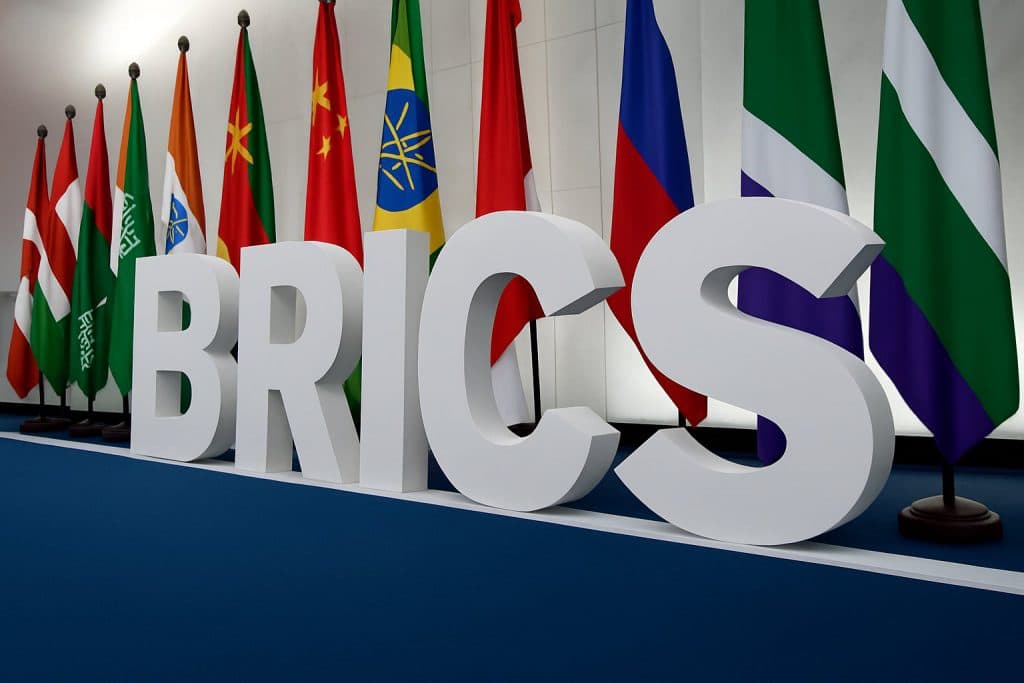
- BRICS (Brazil, Russia, India, China, South Africa) serves as a multilateral forum for emerging economies since its inception in 2006.
- Its founding purpose was to provide a platform for united action among emerging powers in a unipolar world.
New Delhi Declaration 2026 Highlights
Diplomacy and Cooperation:
- The Declaration reaffirms the role of diplomacy and dialogue, suggesting that nations with opposing ideologies can negotiate and cooperate.
- Calls for consensus-building amidst ongoing conflicts in West Asia, notably between Israel and Palestine, and Iran and the UAE.
Economic Measures:
- Addresses the consequences of “unilateral coercive measures” and “unilateral blockades,” notably criticizing these practices by the U.S. under former President Trump.
- Emphasizes the need to prevent the weaponization of trade, especially in essential commodities like hydrocarbons, for the Global South.
Energy and Payment Systems:
- Focuses on linking payment systems amongst member states instead of pursuing a common BRICS currency.
- Highlights the potential utility of India’s UPI (Unified Payments Interface) for enhancing trade and cooperation.
AI and Digital Capacity Building:
- Emphasizes importance of AI capacity building and enhancing digital resilience among member states.
- Reflects India's leadership in technology and digital innovation within the BRICS framework.
Political Context and Dynamics
- The Declaration moves away from the notion of BRICS being anti-West, highlighting the diverse political alignments of its members.
- Countries like China are seeking better relations with the U.S., and several West Asian nations maintain ties with Washington.
Strategic Goals and Future Directions
- BRICS aims to maintain a multifaceted, inclusive approach to global issues, aspiring towards a multipolar world while balancing the interests of its diverse members.
- The Declaration advocates for diverse voices within BRICS, signifying a shift towards a more pluralistic decision-making environment.
Implications for the Global South
- Advocates for cooperation and development strategies that prioritize sovereignty and independent decision-making of Global South countries.
- Addresses energy security as a critical issue facing developing nations, particularly in light of global economic shifts and political alliances.
Key Takeaways
- The New Delhi Declaration represents a significant diplomatic milestone for BRICS, focusing on trade, technology, and multipolar cooperation amidst global challenges.
- It underscores the fundamental principle that collective action and dialogue can foster meaningful partnerships, transcending traditional geopolitical divides.
Key Terms & Concepts
| New Delhi Declaration 2026 | Framework for diplomatic cooperation |
| Israel and Palestine conflict | Ongoing regional conflict |
| Iran and UAE consensus | Call for restraint in conflict |
| unilateral coercive measures | Critique of US policies |
| hydrocarbons trade routes | Prevention from weaponization |
| UPI architecture | Potential for payment systems |
| AI capacity building | Focus in digital resilience |
| BRICS formation | Emerging powers united action |