iAspirants
Economic Growth and Currency Challenges
Published on:
Share this post
Article Summary
Economic Overview and Indicators
GDP Growth:
- The second quarter GDP growth significantly exceeded expectations, with a real GDP growth of 8% in the first half of the fiscal year.
- Full-year growth estimates project approximately 7.6% or higher.
- The services sector showed notable growth, particularly in financial, real estate, and professional services.
Inflation and Monetary Policy:
- Inflation is nearing zero, complicating the justification for interest rate cuts from the Monetary Policy Committee (MPC).
- Current strategies favor a balance between growth and inflation to achieve sustainable economic expansion.
Key Economic Indicators:
- Capacity utilization in manufacturing firms is approximately 80%.
- Credit growth is robust across sectors, indicating healthy demand for bank loans:
- MSME credit utilization is around 5.5 times the 16-year average.
- Healthy credit offtake from Non-Banking Financial Companies (NBFCs) and private credit is evident.
Currency and External Trade
Rupee Performance:
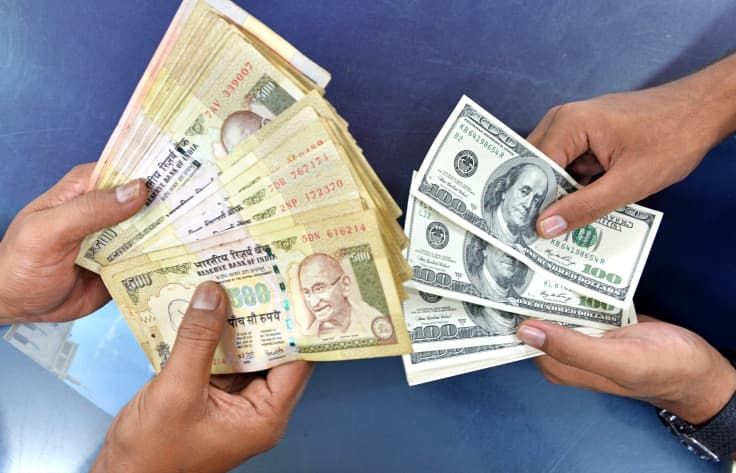
- The Indian rupee has declined, breaching the psychological barrier of 90 against the US dollar amid various economic pressures.
- The decline is attributed to:
- Higher tariffs imposed by the US on Indian goods compared to countries like China and Vietnam.
- Increased activity in offshore non-deliverable forward markets driving short-term currency fluctuations.
External Trade Indicators:
- Despite marginally higher trade deficits compared to the previous year, overall concerns remain manageable.
- Strategic efforts are in place to diversify exports to mitigate impacts from reduced portfolio inflows and foreign investments.
Agricultural Outlook
- Harvest Projections:
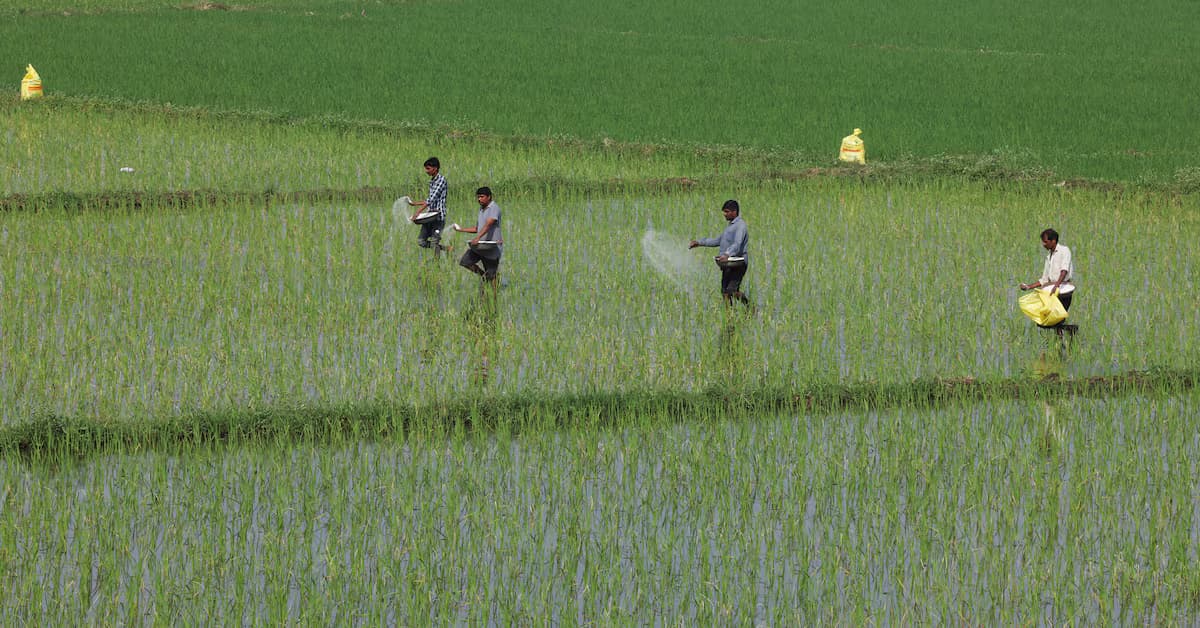
- Expectations for a bumper rabi harvest, with current grain storage levels being satisfactory, promising to offset any shortfall in kharif yields.
Government Policies and Schemes
GST Rate Rationalisation:
- Aimed at boosting economic activity and confidence in the market, contributing to the recovery of "animal spirits" in the economy.
Investment Climate:
- The conducive environment for growth prompted by regulatory measures, extending into improved credit availability and market interest in mergers and acquisitions.
Constitutional and Regulatory Framework
- Monetary Policy Framework:
- Governed by the Reserve Bank of India Act, which mandates the RBI to maintain price stability while ensuring adequate flow of credit to productive sectors.
Conclusion and Future Outlook
- The new economic landscape indicates a resilient Indian economy, characterized by structural reforms, a strong services sector, and healthy consumption patterns.
- Potential risks exist, including currency depreciation and external trade pressures, but proactive policy responses and strong domestic performance suggest a positive trajectory in the near term.
- Continued vigilance is advised as asset prices show buoyancy, and any premature rate cuts could jeopardize the ongoing economic recovery.
Key Terms & Concepts
| GDP growth | Indicates economic performance |
| 8.2% | Quarterly GDP growth rate |
| 7.6% | Projected full fiscal growth |
| 90 | Rupee falls below dollar |
| 34% | Household savings to bank deposits |
| 80% | Capacity utilisation in manufacturing |
| 5.5 times | Credit growth in MSME sector |
| RBI | Central bank of India |
| GST rate rationalisation | Boost for economic revival |
| M&A activities | Indicator of market interest |