iAspirants
Education Access and Financial Challenges
Published on:
Share this post
Article Summary
Summary of Article on Right to Education and Cost of Schooling in India
Constitutional References
- Article 21A (86th Amendment, 2002): Provides the Right to Free and Compulsory Education for children aged 6 to 14 years.
- National Education Policy (NEP) 2020: Expands the Right to Education to cover ages 3 to 18, aiming for universal school education up to Class 12 by 2030.
Current Educational Landscape
- NSS 80th Round Survey Data (2025):
- Enrollment:
- Government schools: 55.9%
- Private aided schools: 11.3%
- Private unaided schools: 31.9%
- Urban vs. Rural Enrollment:
- Urban: 51.4% in private schools; Rural: 24.3% in private schools.
- Enrollment:
Gender and Enrollment Trends
- Gender gap in private school enrollment:
- Boys: 34%
- Girls: 29.5%
- Increase in private school enrollment since the last NSS survey:
- Rural increase: 20.9% to 25.9% at primary
- Urban increase: 50.5% to 55.3% at primary.
Educational Costs
- Cost of Education:
- Government school fees (Rural):
- Pre-primary: ₹823
- Higher secondary: ₹7,308
- Private school fees (Rural):
- Pre-primary: ₹17,988
- Higher secondary: ₹33,567
- Government school fees (Rural):
- Monthly Expenditure:
- Rural private schooling ranges from ₹1,499 (pre-primary) to ₹2,797 (higher secondary).
- Urban private schooling ranges from ₹2,182 to ₹4,089.
Private Tuition
- Prevalence of private tuition:
- Rural areas: 25.5% attend private coaching; Urban areas: 30.7%.
- Higher household income and urban residence correlate with increased demand for private tuition.
- Average expenditure on coaching:
- Urban: ₹13,026; Rural: ₹7,066 per student per year.
Educational Disparity
- Access to private tuition is perceived as a symbol of prestige, reinforcing socio-economic disparities.
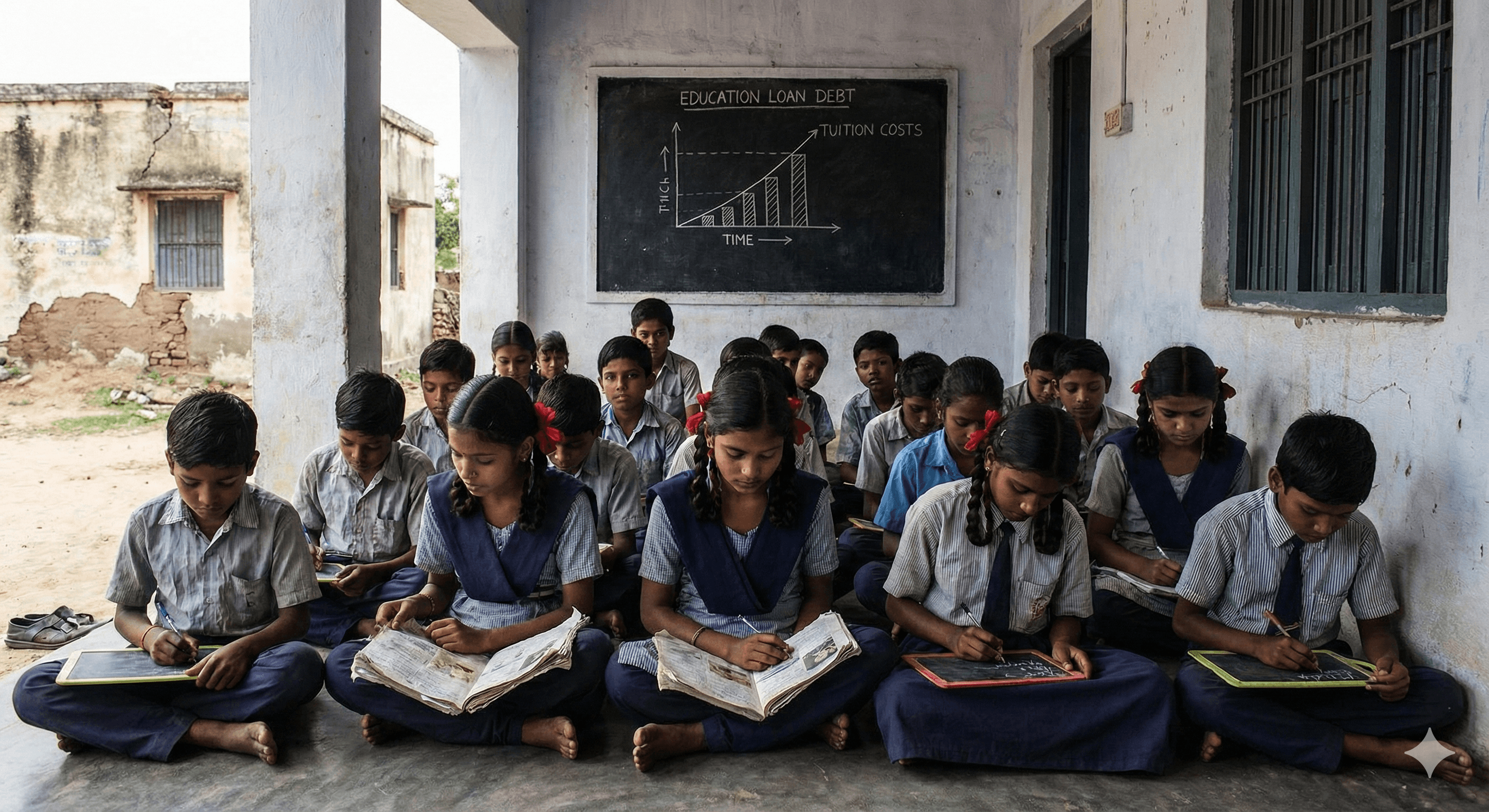
- The trend indicates that families from lower-income backgrounds face disproportionate financial strains to access quality education.
Policy Implications
- The data highlight the urgent need for educational reforms aimed at enhancing government school quality.
- Government schools must become more effective to mitigate rising educational inequalities and reinforce the constitutional guarantee of free education.
Suggested Action Areas
- Strengthen the quality and accessibility of government schools to ensure educational rights for all.
- Address financial burdens of private schooling and tuition through targeted interventions.
This summary encapsulates the crucial facts highlighted in the article, including the constitutional provisions regarding education, current enrollment statistics, financial aspects of education, the growing phenomenon of private tutoring, and necessary reforms to improve educational equity in India.
Key Terms & Concepts
| Article 21A | Right to Free Education |
| 86th Amendment | Amended Education Rights |
| National Education Policy (NEP) 2020 | Covers ages 3 to 18 |
| 2030 | Universal Education Goal Year |
| NSS 80th Round Survey | Education Data Collection |
| 55.9% | Govt School Enrollment Rate |
| 51.4% | Urban Private School Enrollment |
| 25.3% | Govt School Fees Payment Rate |
| ₹7,308 | Max Rural Govt School Fees |
| ₹33,567 | Max Rural Private School Fees |
| ₹13,026 | Urban Private Coaching Expenditure |
| 25.5% | Students Taking Private Coaching |
| 2024 | Study Year on Tuition and Education |