iAspirants
Efforts to Manage Wild Elephant Conflicts
Published on:
Share this post
Article Summary
Summary Notes on Human-Wildlife Conflict Management in Athirappilly
Context
- Human-wildlife conflict is a significant issue in the Athirappilly forest area, particularly involving wild elephants and human populations.
Key Statistics
- Approximately 15 wild elephants inhabit the region.
- A notable incident occurred on May 30, 2026, when a dairy farmer, Mohanan, was killed by a wild elephant, highlighting the dangers posed to local residents.
Forest Management Operations
- The Forest Department initiated operations to mitigate human-wildlife conflicts following the fatal incident, starting June 2, 2026.
- Team Composition: Includes local community members and tribespeople familiar with the terrain.
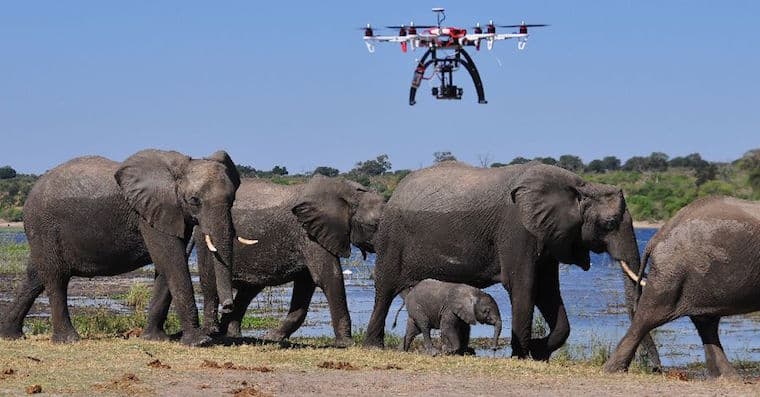
- Operational Methods: Teams employ drones to monitor elephant movements, utilizing remote piloted aircraft systems for tracking.
- Manual strategies include the use of non-injurious deterrents like pump-action guns and locally made bazookas for scaring away elephants.
Team Structure and Coordination
- A dedicated 100-member team conducts these operations, working with situational awareness gathered from drones and patrolling.
- Daily action plans are reviewed at around 7 a.m., based on animal movement data, allowing for responsive operations day and night.
Challenges Faced
- Risk Factors: Night operations are particularly dangerous due to visibility issues and the potential for sudden encounters with elephants.
- Terrain: Monsoon conditions complicate movement through the forest and create slippery paths, increasing risk.
- Human-Elephant Interactions: There are concerns over changes in land use, including increased farming activities (e.g., pineapple and palm oil), which attract elephants and disrupt their natural trails leading to human settlements.
Environmental Considerations
- Obstructions like solar fences have blocked traditional elephant corridors, forcing elephants to move through human-inhabited areas and escalate conflict situations.
Legislative and Policy Framework
- Although not explicitly referenced in the article, managing human-elephant conflicts typically involves adherence to wildlife protection laws, which govern the handling of wild animals in conflict with human communities.
- Relevant constitutional principles may involve the right to life and personal safety, which is challenged in the context of wildlife management.
Local Engagement
- Residents have developed familiarity with individual elephants, assigning them names based on their characteristics, which indicates ongoing interactions and the community's investment in managing the wildlife around them.
Conclusion
- Effective management of human-wildlife conflicts in Athirappilly involves a combination of human resources, technological support, and community engagement, balancing the safety of both human lives and conservation of wildlife.
Key Terms & Concepts
| Western Ghats | Geographical region of conflict |
| Chalakudy | Location of operations |
| Chiklayi | Site of incident |
| Athirappilly | Forest area affected |
| Kumbidammudi | Human habitation impacted |
| Drone technology | Used for tracking elephants |
| Local community | Involved in patrolling |
| Bazookas | Used to scare elephants |
| Mohanan | Victim of elephant attack |
| 12 km | Distance elephants pushed away |
| 100-member strong team | Size of elephant chasing team |
| 15 elephants | Resident population in area |
| Pineapple and palm oil farming |