iAspirants
Election Roll Revision Problems in India
Published on:
Share this post
Article Summary
Election Commission of India (ECI) - Special Intensive Revision (SIR) Overview
Context:
- The ECI is undergoing a Special Intensive Revision (SIR) of electoral rolls across 12 States and Union Territories (UTs).
Issues in Electoral Roll Revision:
- West Bengal:
- Elderly residents are required to attend eligibility hearings at remote locations despite submitting enrolment forms, leading to public outrage.
- The ECI ordered home verification to ease the process.
- Unmapped Voters:
- Hearings for voters whose names or parents’ names were not mapped with the SIR from 2002 have been conditionally halted.
- Technological Problems:
- There were discrepancies in the use of software for summons and processing voters, leading to confusion, especially noted in Bihar where a de-duplication software was not utilized.
- West Bengal:
Concerns Raised by Civil Servants:
- A civil service association highlighted that the deletion process from electoral rolls bypassed statutory roles of Electoral Registration Officers (EROs).
Electoral Roll Deletions:
- Provisional data indicates over 6.5 crore deletions nationwide.
- State-specific Data:
- Uttar Pradesh reported 2.89 crore deletions, leading to a postponement of the draft roll publication to January 6.
- Tamil Nadu and Gujarat saw the removal of 97 lakh and 73.7 lakh electors, respectively.
- Discrepancies emerged with recent additions in these states, indicating procedural flaws.
Judicial Implications:
- The courts have limited interventions to address issues specifically for Bihar, raising concerns over the broader constitutional implications for the SIR procedures.
- The importance of universal adult franchise and its integrity is being threatened due to the current chaotic process.
Potential Constitutional References:
- Article 326: Provides for the right to vote for every citizen who is eighteen years of age and older, ensuring the principle of universal adult franchise.
Call for Judicial Review:
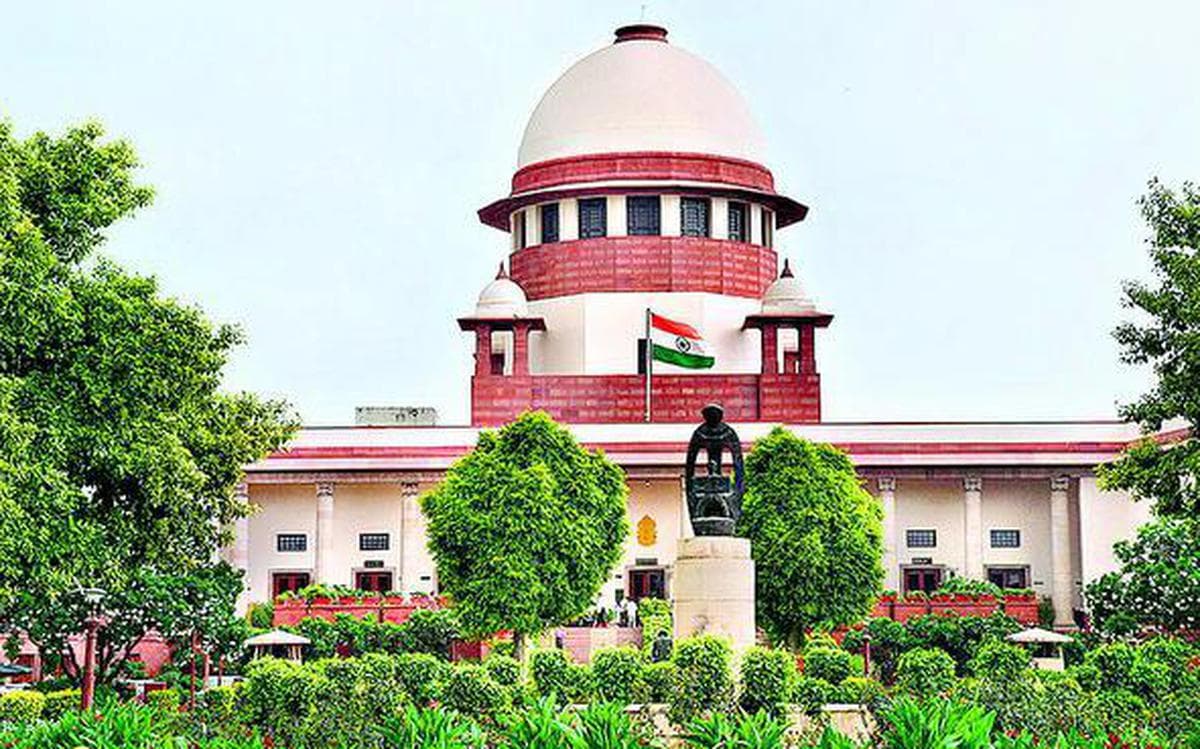
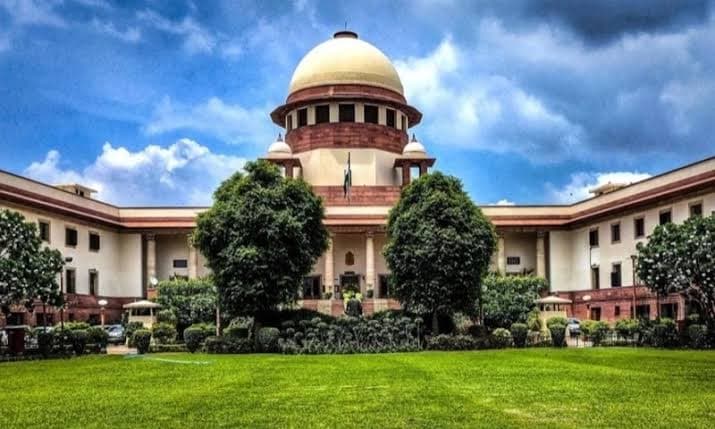
- There are suggestions for the Supreme Court to evaluate the new SIR process comprehensively for legality and adherence to constitutional mandates.
Conclusion:
- As the revision process progresses, the flaws in implementation and software use raise serious questions about the authenticity of electoral rolls and highlight the critical need for proper electoral management protocols to safeguard democratic rights. The current scenario underscores the necessity for rigorous oversight and potential legal scrutiny to maintain the integrity of elections in India.
Key Terms & Concepts
| Election Commission of India (ECI) | oversees electoral rolls |
| Special Intensive Revision (SIR) | electoral rolls update process |
| West Bengal | State facing electoral issues |
| Supreme Court | judicial oversight body |
| 6.5 crore deletions | number of deleted names |
| 2.89 crore | deleted names in Uttar Pradesh |
| January 6 | publication postponement date |
| Tamil Nadu | State with electoral changes |
| Gujarat | State with electoral changes |
| 97 lakh | deletions in Tamil Nadu |
| 73.7 lakh | deletions in Gujarat |
| Bihar | State without de-duplication software |
| Electoral Registration Officers |