iAspirants
Electoral Reforms and Democratic Integrity
Published on:
Share this post
Article Summary
Exam Notes on Electoral reforms in India:
Context & Concepts:
- Electoral reforms in India are being discussed in the context of three key initiatives: Delimitation, One Nation, One Election (ONOE), and Special Intensive Revision (SIR) of electoral rolls.
- The argument presented suggests that these reforms may disproportionately benefit the ruling Bharatiya Janata Party (BJP).
Electoral Reforms Proposed:
- Delimitation: Redrawing of parliamentary and assembly constituencies based on the 2026 Census, potentially skewing representation in favor of BJP strongholds.
- Gerrymandering: The possibility of manipulating constituency boundaries to ensure electoral advantage for BJP, modeled after practices in the US.
- One Nation, One Election (ONOE): Proposes simultaneous national and state elections.
- Impact: Could strengthen incumbency by consolidating electoral processes, making it easier for the ruling party to manage election narratives.
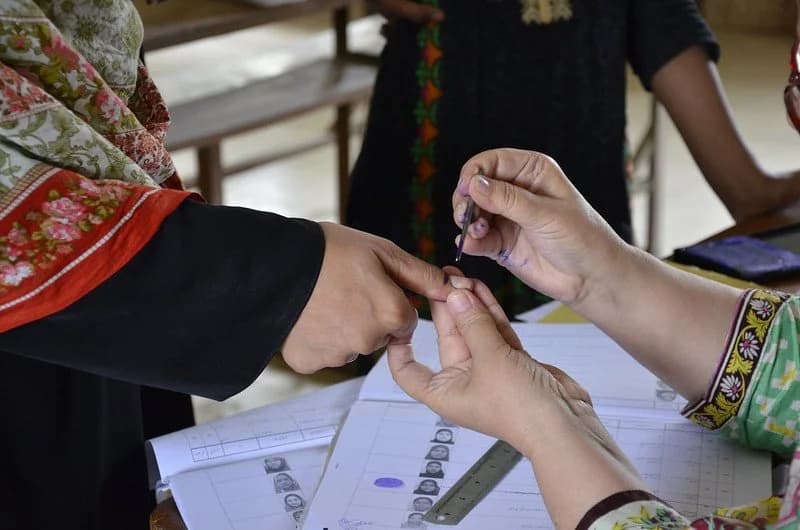
- Special Intensive Revision (SIR): Aims to update voters’ lists, potentially disenfranchising a significant number of voters (estimated over 5 crore).
- Targeting: Likely to disproportionately affect marginalized communities such as the poor, migrants, and minorities.
- Delimitation: Redrawing of parliamentary and assembly constituencies based on the 2026 Census, potentially skewing representation in favor of BJP strongholds.
Consequences of Reforms:
- Described as a potential "electoral deform," these reforms could lead to structural and targeted exclusions, undermining the integrity of the electoral process.
- Statistical expectations indicate a significant reduction in voter registrations, raising concerns over disenfranchisement across various communities.
Constitutional Implications:
- The reforms are critiqued as potentially violating democratic tenets laid out in the Constitution, particularly regarding fair electoral representation (Article 326 - Elections to the Lok Sabha and to the Legislative Assemblies of States).
International Context:
- The concept of "abusive constitutionalism" is referenced, drawing parallels with electoral manipulations seen in countries such as Hungary, Turkey, and Venezuela.
- International IDEA has flagged India as experiencing "democratic backsliding," with significant declines in electoral integrity and freedom indicators.
Judicial Perspective:
- The Supreme Court and election monitoring bodies are gaining attention, with hopes of ensuring adherence to democratic principles amidst these reforms.
- The new leadership of the Election Commission of India is seen as pivotal in upholding democratic integrity during electoral changes.
Conclusion:
- The ongoing electoral reforms in India reflect a complex interplay of constitutional principles, electoral integrity, and political strategy, raising significant concerns over the future of democracy in the country.
- These discussions underscore the importance of vigilant governance to protect electoral rights and representational fairness.
Global Comparisons & Implications:
- Trends in other nations underline a shared phenomenon of incumbent parties leveraging institutional reforms to entrench power, reflecting a global issue regarding the health of democracies.
Key Terms & Concepts
| Bharat Jodo Abhiyaan | National initiative for electoral reform |
| Delimitation | Reapportionment of parliamentary seats |
| One Nation, One Election (ONOE) | Simultaneous elections proposal |
| Special Intensive Revision (SIR) | Voter list revision strategy |
| International IDEA | Monitors democratic integrity |
| Global State of Democracy | Report on India’s democratic decline |
| Yamuna River | Metaphorical reference for political change |
| 2024 elections | Upcoming electoral challenge |
| 5 crore deletions | Projected disenfranchisement in SIR |
| Kerala, Tamil Nadu, Andhra Pradesh, Telangana, West Bengal, Punjab | States losing parliamentary clout |
| Uttar Pradesh, Bihar, Madhya Pradesh, Rajasthan | States gaining parliamentary seats |