iAspirants
Current AffairsPrelims PYQsUPSC CSE SyllabusUPSC CSE StrategyBlogsPricing
Login
iAspirants
Current AffairsPrelims PYQsUPSC CSE SyllabusUPSC CSE StrategyBlogsPricingContact UsLoginSignUp
iAspirants

Your AI-powered companion for UPSC preparation.

Study Resources

  • Current Affairs
  • Prelims PYQs
  • UPSC CSE Syllabus
  • UPSC CSE Strategy
  • Blogs

Practice & Plans

  • Mains Answer Evaluation
  • Pricing
  • Sign Up
  • Login

Company

  • Home
  • About Us
  • Contact Us
  • FAQs

Legal

  • Privacy Policy
  • Terms & Conditions
  • Return Policy

© 2026 iAspirants, Inc. All rights reserved.

  1. Blogs
  2. Polity and Governance

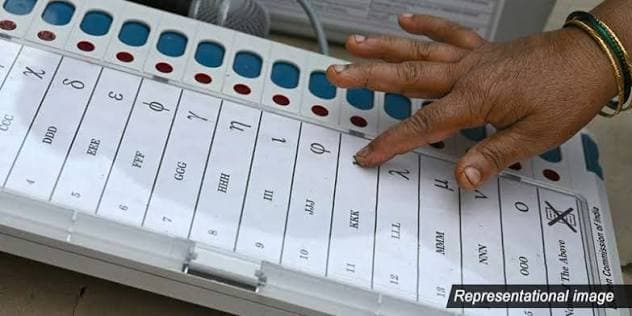
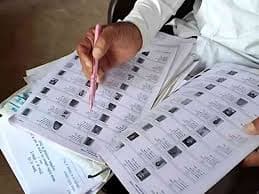
Electoral Roll Deletions Statistics Revealed

Published on: 30-Sep-2026

Source: The Hindu

Share this post

Electoral Roll Deletions Statistics Revealed

Article Summary

Summary of the Special Intensive Revision (SIR) of Electoral Rolls

Key Facts and Data:

  • Total Names Deleted: Approximately 13.3 crore names have been removed from the electoral rolls during the SIR process across India.
  • Categories of Deletion:
    • Absent, Shifted and Others: 9.5 crore (over 71%)
    • Deceased: 2.7 crore (just over 20%)
    • Multiple Entries: 1.01 crore (approximately 7.6%)

Breakdown of Deletions:

  • Phases of SIR:
    • Phase 1 & 2:

      • Total deletions: 7.2 crore
      • Absent, Shifted, Others: 5 crore
      • Deceased: 1.6 crore
      • Multiple Entries: 52 lakh
    • Phase 3:

      • Total deletions: 6.1 crore
      • Absent, Shifted, Others: 4.5 crore
      • Deceased: 1.1 crore
      • Multiple Entries: 49.6 lakh

Registration Process:

  • Individuals removed in the 'absent, shifted, and others' category can re-register using Form 6, which is generally for new voter registrations.

Political Response and Demands:

  • Civil society and opposition parties, particularly the Congress party, are urging for the SIR process to be canceled and for all deleted names to be reinstated.
  • Nationwide agitations are planned by the Congress along with the INDIA bloc allies.

Geographic Scope:

  • Phase 3 covers multiple states and Union Territories including:
    • Delhi, Odisha, Mizoram, Sikkim, Manipur, Uttarakhand, Andhra Pradesh, Arunachal Pradesh, Haryana, Chandigarh, Telangana, Punjab, Karnataka, Meghalaya, Maharashtra, Jharkhand, Nagaland, Tripura, Dadra and Nagar Haveli, and Daman and Diu.
  • Earlier phases included states such as Bihar, West Bengal, Tamil Nadu, and others.
  • Assam conducted a "special revision" due to National Register of Citizens (NRC) legalities.

Notable Information:

  • The process does not apply to Himachal Pradesh, Jammu and Kashmir, and Ladakh.

Conclusion:

The SIR process has led to extensive changes in the electoral rolls, with a significant number of names deleted primarily due to absence or relocation. The potential for reinstatement exists for many affected voters, and political opposition continues to challenge the motivations and processes of the SIR, emphasizing the importance of electoral inclusivity.

Key Terms & Concepts

13.3 crore namesDeleted from electoral rolls
9.5 croreMarked absent or shifted
2.7 croreDeleted due to death
1.01 croreCases of multiple entries
Form 6Used for voter re-registration
1.4 crore votersAdded to final voter rolls
September 29, 2026Date of Congress demand
Phase 3Current electoral revision phase
Civil SocietyDemanding SIR process scrapping
13 States and Union TerritoriesLocation of SIR Phase 3
Entire country except Himachal Pradesh, Jammu and Kashmir, and LadakhCoverage of SIR Phase 3

Mind Map for UPSC Civil Services Revision

Turn UPSC Civil Services Current Affairs Into Exam-Ready Notes

Reading Polity and Governance current affairs is half the work. Revise them with ready-made notes and test what actually stuck.

  • Daily UPSC Civil Services current affairs analysis
  • Revision notes, mind maps & MCQs
  • Prelims mock tests with instant results

Related UPSC Civil Services Current Affairs Articles

Key Issues in Voter Registration
Polity and Governance14-Nov-2026

Key Issues in Voter Registration

Election Commission of India (ECI) - National Voters Day (NVD) 2027 Overview

  • Voter Helpline Number: 1950, established on January 25, coinciding with the birth of India as a Republic.

  • National Voters Day (NVD):

    • Observed annually since 2011 on January 25 to promote voter awareness and distribute Elector Photo Identity Cards (EPIC) to first-time voters.
Practise Mains answer writingUpload a handwritten answer and get it evaluated
  • International conference hosted on January 24, 2027, involving election management bodies from various countries.
  • Special Intensive Revision (SIR):

    • A controversial exercise aimed at updating electoral rolls which some argue led to mass deletions.
    • ECI reported approximately 2.8 crore names were removed as “dead,” indicating prior incompetence by election commissions.
  • Judicial System's Burden:

    • The Supreme Court (SC) is overseeing significant legal challenges arising from the SIR, which has led to difficulties for judicial officers in West Bengal dealing with voter reinstatement.
  • Electoral Roll Management:

    • Issues include misclassifications of electors (absent, shifted) leading to disenfranchisement.
    • SIR’s methodology involved identifying discrepancies between current and past electoral rolls (from 2002), which led to unlawful deletions.
  • Form Utilization:

    • Form 6: Used for voter registration.
    • Form 7: Used for deletion of undesired names, resulting in reputational harm to the ECI.
    • Form 8: Facilitated name changes without traceability, termed as the "Pilibhit model of purgation."
  • Current Challenges:

    • ECI must address issues of disenfranchisement and regain public trust, possibly revisiting the legislative framework that grants them immunity from prosecution.
    • A need for transparency in how decisions affecting voter rights are made.
  • Constitutional References:

    • Article 324: Relates to the powers of the ECI regarding the conduct of elections.
    • November 26: Significant date marking the adoption of the Indian Constitution, emphasizing accountability in line with constitutional responsibilities.
  • Recommendations for ECI:

    • Public Acknowledgment:

      • Potentially apologizing for lapses in maintaining electoral integrity.
      • Ensuring that all eligible voters are adequately reinstated before the next elections.
    • Future Strategy:

      • Revitalize the Special Summary Revision (SSR) process to achieve the objectives initially set out by the SIR.
    • Examining Law:

      • Evaluate existing laws that provide lifelong immunity to ECI officials to uphold accountability.

    Conclusion:

    The ECI faces significant scrutiny over its handling of electoral rolls, particularly regarding the SIR. To restore trust and legitimacy, a reevaluation of its processes and engagements with voters is critical, aligning actions with constitutional mandates to safeguard voting rights in India.

    Digital News Publishers Ethical Code
    Polity and Governance13-Nov-2026

    Digital News Publishers Ethical Code

    Digital News Publishers Association Code of Ethics Summary

    1. Constitutional References:

      • Commitment to Article 19 (1)(a) of the Constitution of India, which guarantees the right to freedom of speech and expression.
      • Code aligns with over 30 laws relating to media, including provisions in the Indian Penal Code (IPC), Criminal Procedure Code (CrPC), and the Information Technology Act, 2000.
    2. Code Objectives:

      • Establish high standards and ethics in digital news publishing.
      • Ensure editorial and content independence of publishers.
      • Promote accuracy, transparency, and fairness in news reporting.
    3. Key Precepts:

      • Legal Compliance: Adhere to applicable laws, ensuring responsible journalism.
      • Accuracy and Verification: Mandatory pre-publication verification to avoid misinformation. Defamation should be eschewed.
      • Right of Reply: Incorporate comments or versions from affected parties regarding allegations made in news reports.
      • Error Correction: Mechanism for editing or deleting reports found to be inaccurate upon verification by concerned parties.
    4. Intellectual Property Rights:

      • Respect copyrights and obtain permissions for use of copyrighted material.
      • Ensure acknowledgment of ownership rights. Use of trademarks should also follow legal protocols.
    5. Reporting Sensitivity:

      • Presumption of Innocence: Maintain neutrality when reporting sensational matters or crimes.
      • Special Care in Sensitive Cases: Pay special attention to cases involving minors, sexual offences, communal disputes, and related sensitive topics, adhering to Sections 67, 67A, and 67B of the Information Technology Act.
    6. Grievance Redressal:

      • Follow the grievance redressal mechanism as per the Information Technology (Intermediary Guidelines) Rules, 2011.
      • Appoint grievance officers to address complaints promptly (within 36 hours acknowledgment and one month resolution).
    7. Training and Awareness:

      • Conduct regular training for editorial staff on laws related to journalism, including, but not limited to:
        • The Indecent Representation of Women (Prohibition) Act.
        • Copyright Act.
        • Right to Information Act.
        • Juvenile Justice Act and POCSO (Protection of Children from Sexual Offences).
      • Emphasize the importance of protecting identity in sensitive cases (e.g., minors, victims of sexual crimes).
    8. Judicial Reporting:

      • Ensure accurate reporting of court hearings and judicial matters.
      • Maintain objectivity and respect privacy, especially concerning non-public figures.
    9. Promotion of Communal Harmony:

      • Ensure that news coverage regarding communal or religious issues promotes peace and amity, involving strict verification of facts prior to publication.

    This code reflects an advocacy for ethical practices in digital journalism, balancing the exercise of constitutionally mandated freedoms with responsible reporting and adherence to legal frameworks.

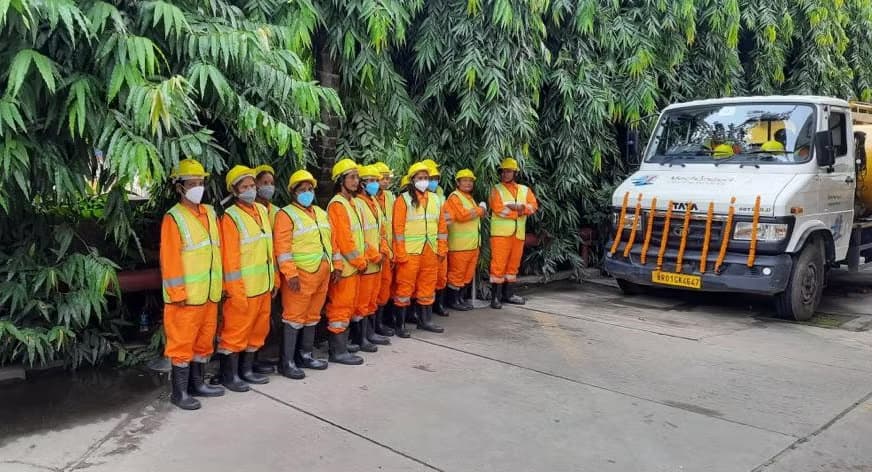
    Challenges in Sanitation Worker Safety
    Polity and Governance06-Nov-2026

    Challenges in Sanitation Worker Safety

    Summary of Sanitation Worker Issues and Legislative Context in India

    Deaths of Sanitation Workers

    • Data on Fatalities:

      • Total deaths from 1993 to 2025: 1,350
      • Fatalities from 2014 to 2025: 859
      • Deaths from 2019 to mid-2026: 498
      • Deaths across 18 States and Union Territories from 2021 to 2026: 332
    • Recent Incident: Four workers died in Ujjain, Madhya Pradesh while cleaning a hotel’s food-waste chamber.

    Legislative Context

    • Prohibition of Employment as Manual Scavengers and their Rehabilitation Act, 2013:

      • Distinguishes between hazardous cleaning of sewers and manual scavenging.
      • Addresses the issue of employing individuals in unsafe sewerage conditions.
    • Judicial Rulings:

      • In Dr. Balram Singh (2023), the Supreme Court enhanced protections by:
        • Strengthening requirements under the Safai Karamchari Andolan (2014).
        • Mandating that outsourced contracts do not involve workers entering sewers.
        • Increasing compensation for worker deaths to ₹30 lakhs.

    Government Schemes and Policies

    • National Action for Mechanised Sanitation Ecosystem Scheme:
      • Focuses on urban local bodies.
      • Aims to reduce manual sanitation work through mechanisation.
      • Criticized for failing to effectively minimize hazardous tasks leading to worker deaths.

    Social Issues

    • Marginalized Communities:
      • Workers in sanitation jobs are often from historically marginalized castes, highlighting social equity problems in employment.

    Enforcement and Compliance Issues

    • Regulatory Non-compliance:
      • Private contractors and municipal bodies regularly violate the Prohibition Act.
      • There are significant issues, including the use of undocumented daily-wage workers to circumvent regulations.

    Conclusion

    • The persistent deaths of sanitation workers despite existing legislation and court orders underline critical gaps in enforcement, social security, and the effectiveness of government schemes. The need for formal employment status and improved safety measures remains urgent to actualize legislative aims and protect workers effectively.