iAspirants
Electoral Roll Revision Across India
Published on:
Share this post

Article Summary
Summary Notes on Special Intensive Revision (SIR) of Electoral Rolls
Electoral Roll Revision Overview
- Initiation: The Special Intensive Revision (SIR) of electoral rolls commenced on November 4, 2025, as ordered by the Election Commission of India (ECI).
- States/UTs Involved: Phased exercise involves nine States: Tamil Nadu, West Bengal, Kerala, Uttar Pradesh, Madhya Pradesh, Rajasthan, Chhattisgarh, Goa, Gujarat, and three Union Territories: Andaman and Nicobar Islands, Lakshadweep, and Puducherry.
- Bihar Context: Bihar is currently undergoing elections; SIR's results will impact its voters significantly.
Timeline and Targets
- Draft Roll Release: Scheduled for December 9, 2025.
- Final Roll Release: Scheduled for February 7, 2026.
- Electorate Size: Approximately 51 crore electors (over half of India’s electorate) will be reviewed, covering 321 districts and 1,843 Assembly constituencies, involving 5.33 lakh polling stations and an equal number of Booth Level Officers (BLOs).
Electoral Process and Legal Framework
- Relevant Constitutional Articles:
- Article 326: Defines the eligibility of electors (age and qualifications).
- Article 324: Empowers the ECI to administer elections and electoral processes.
- SIR's Nature: This marks the ninth SIR in India's electoral history and the first in 21 years. Aims to clean up electoral rolls through a structured approach amidst concerns of voter disenfranchisement.
Operational Guidelines and Transparency Measures
- ECI Directives: No documents are to be collected from electors during the enumeration phase, aiming to ease voter concerns over paperwork.
- Form Utilization: Maintenance of Form 6 for new enrolments, Form 7 for deletions, and Form 8 for corrections.
- BLO Responsibilities: Each BLO is required to visit elector households thrice to ensure proper enumeration.
Political and Social Context
- Challenges: Different states may pose unique challenges regarding social complexities and historical electoral patterns (e.g., Assam's citizenship issues).
- Political Party Responses: Initially resistant, parties are adapting strategies to participate constructively in the SIR process despite ideological opposition.
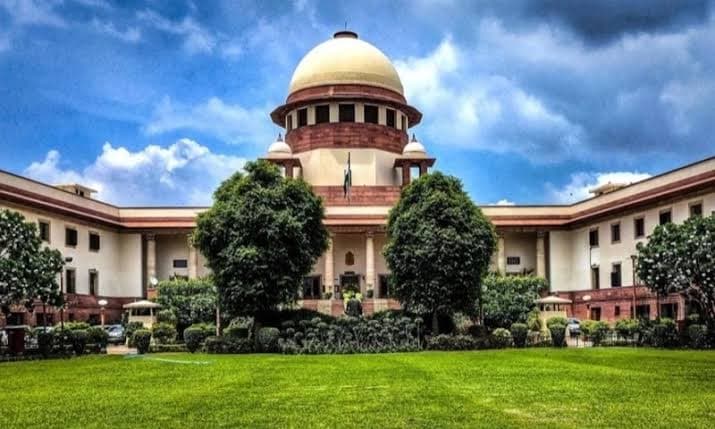
- Judicial Oversight: The Supreme Court has underscored the importance of not infringing upon voters' rights during the revision process.
Expected Outcomes and Concerns
- Voter Participation: Previous phases have demonstrated an increase in voter turnout; the ECI aims to uphold voter trust through efficient management.
- Potential Exclusions: Careful monitoring will be required to address concerns regarding the exclusion of eligible voters, particularly in sensitive states like West Bengal and Bihar.
Implications for Future Elections
- Decentralized Oversight: ECI is encouraged to maintain a framework for grievance redressal and engage with local political entities to mitigate fears of disenfranchisement.
- Long-Term Goal: Establish a transparent and inclusive electoral process contributing positively to democracy in India.
Monitoring and Execution
- The ECI's execution and empathy during the SIR process are critical. Historical competence in managing past electoral challenges will influence the success of this ongoing SIR cycle.
This SIR initiative represents a crucial development in enhancing the integrity and inclusiveness of India’s electoral framework, directly affecting millions of voters in the upcoming elections.
Key Terms & Concepts
| Election Commission of India | Overseeing electoral revision |
| Special Intensive Revision (SIR) | Major electoral roll update |
| 51 crore electors | Total electors under review |
| 321 districts | Geographical coverage |
| 1,843 Assembly constituencies | Electoral divisions involved |
| 5.33 lakh polling stations | Polling location count |
| Article 326 | Defines elector rights |
| Article 324 | Governs election administration |
| February 7, 2026 | Final roll release date |
| December 9, 2025 | Draft roll release date |
| 7.64 lakh booth level agents | Political party representation |
| Election management patterns | Analyzing electoral history |